
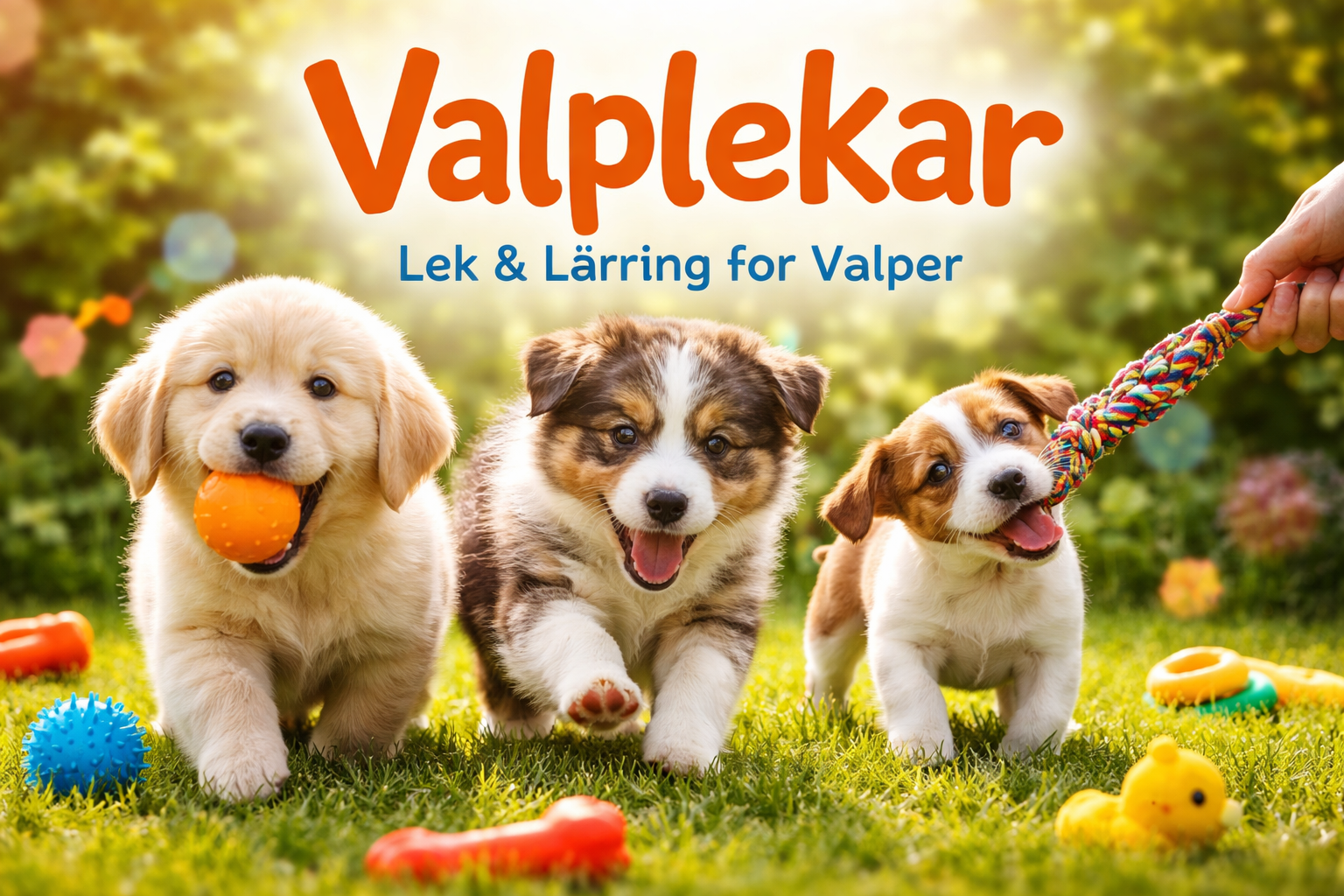
Valplekar: The Ultimate Guide to Fun and Safe Puppy Play
Introduction
Watching a puppy explore the world is one of life’s purest joys. Every paw step, wag of the tail, and curious sniff is a glimpse into a puppy’s boundless energy and curiosity. But for owners, keeping a puppy mentally and physically stimulated can sometimes feel overwhelming. This is where valplekar—puppy play—comes into the picture. Proper playtime isn’t just fun; it’s essential for your puppy’s development, behavior, and overall health.
Whether you have a small apartment or a spacious backyard, engaging in the right activities can make a huge difference in shaping a happy, well-adjusted dog. In this guide, we’ll explore the world of valplekar, share practical tips, and give real-life examples to make playtime safe, fun, and effective.
Why Valplekar Matters
Puppy play is far more than a cute activity—it’s a cornerstone of healthy development. Through play, puppies learn crucial social skills, develop cognitive abilities, and burn off excess energy.
- Physical Development: Activities like fetch, tug-of-war, and chase games help puppies strengthen muscles, improve coordination, and maintain healthy growth.
- Mental Stimulation: Interactive games and puzzle toys challenge a puppy’s mind, reducing boredom and destructive behavior.
- Social Skills: Group play with other puppies teaches important boundaries, bite inhibition, and communication cues.
- Behavioral Benefits: Puppies that engage in regular valplekar are generally calmer, less anxious, and less likely to develop problem behaviors.
In short, play is a puppy’s classroom, gym, and therapy session all rolled into one.
Types of Valplekar
Understanding the different types of puppy play can help you structure your sessions effectively. Not all play is created equal—some activities target mental stimulation, while others focus on physical exercise.
1. Interactive Play with Owners
Bonding through play strengthens the human-dog connection. Games like fetch, gentle tug-of-war, and hide-and-seek not only entertain your puppy but also teach obedience and impulse control.
- Fetch: Encourages running and recall training.
- Tug-of-War: Strengthens muscles and teaches boundaries when done with rules.
- Hide-and-Seek: Stimulates the mind and improves problem-solving skills.
2. Social Play with Other Puppies
Socialization is critical, especially between 8 and 16 weeks. Supervised playdates help puppies learn communication skills, proper play etiquette, and how to read other dogs’ signals.
- Observe body language to ensure play remains friendly.
- Short sessions prevent over-stimulation.
3. Puzzle and Toy-Based Play
Toys that require problem-solving, such as treat-dispensing puzzles, mentally challenge puppies and keep them engaged for longer periods.
- Rotate toys to maintain novelty and curiosity.
- Incorporate scent games, like hiding treats around the house, to stimulate natural instincts.
Creating a Safe Play Environment
Safety should be a top priority in all valplekar activities. Puppies are curious and often unaware of risks, so creating a controlled, hazard-free space is essential.
- Remove Small or Sharp Objects: Anything a puppy could swallow should be out of reach.
- Use Non-Toxic Toys: Ensure toys are safe, durable, and appropriate for your puppy’s size.
- Monitor Interactions: Always supervise play with other dogs to prevent fights or injuries.
- Limit Play Duration: Puppies have short attention spans. Frequent short sessions are better than long, exhausting playtimes.
Tips for Effective Valplekar
Maximizing the benefits of puppy play requires consistency, observation, and creativity.
- Follow a Routine: Regular play sessions help structure your puppy’s day and reduce hyperactivity.
- Encourage Exploration: Let your puppy safely explore different textures, surfaces, and environments.
- Use Positive Reinforcement: Reward desired behaviors during play to reinforce learning.
- Balance Physical and Mental Play: Too much physical activity can strain joints; combining it with mental games keeps development balanced.
- Observe Energy Levels: Every puppy has a unique energy pattern. Adjust the intensity and duration of play accordingly.
Real-Life Examples
Consider Luna, an energetic 12-week-old Labrador puppy. Her owner alternated between fetch in the yard, treat puzzles, and short puppy playdates with friends’ dogs. Over just a few weeks, Luna became calmer at home, learned basic commands faster, and developed a strong bond with her family.
Another example is Max, a small terrier, who struggled with chewing furniture. Introducing scent-based games and interactive toys redirected his energy, reducing destructive behaviors and keeping him happily engaged.
Common Mistakes to Avoid
Even well-meaning owners sometimes make mistakes in valplekar. Avoid these pitfalls to ensure playtime is both safe and effective:
- Over-exercising young puppies, which can damage growing joints.
- Ignoring body language; signs of stress or overstimulation should be respected.
- Using toys that are too small or easily breakable.
- Skipping socialization opportunities, which can lead to fear or aggression.
Conclusion
Valplekar is more than just a way to entertain your puppy—it’s a vital part of healthy growth, social development, and long-term happiness. By understanding your puppy’s needs, creating a safe play environment, and balancing physical and mental activities, you can ensure playtime is both fun and beneficial.
Every wag, chase, and puzzle solved strengthens the bond between you and your puppy while laying the foundation for a well-adjusted adult dog.
Start today: dedicate 20–30 minutes daily for structured play sessions, observe your puppy’s cues, and watch them thrive in a safe, stimulating world. Your puppy’s happiest days are just a play session away!
FAQs
What age should I start valplekar with my puppy?
Play can start as soon as your puppy is home, around 8 weeks old. Focus on gentle, short sessions suitable for their energy and growth.
How long should each play session last?
Puppies have short attention spans. Sessions of 10–20 minutes, multiple times per day, are ideal.
Are all toys safe for puppies?
No. Always choose durable, non-toxic toys appropriate for your puppy’s size and chewing strength.
Can valplekar help with training?
Yes. Interactive games like fetch or hide-and-seek can reinforce recall, obedience, and impulse control while keeping training fun.
What if my puppy gets aggressive during play?
Pause the session, redirect to a calm activity, and observe body language. Aggression may indicate overstimulation, fear, or discomfort.




One thought on “Valplekar: The Ultimate Guide to Fun and Safe Puppy Play”