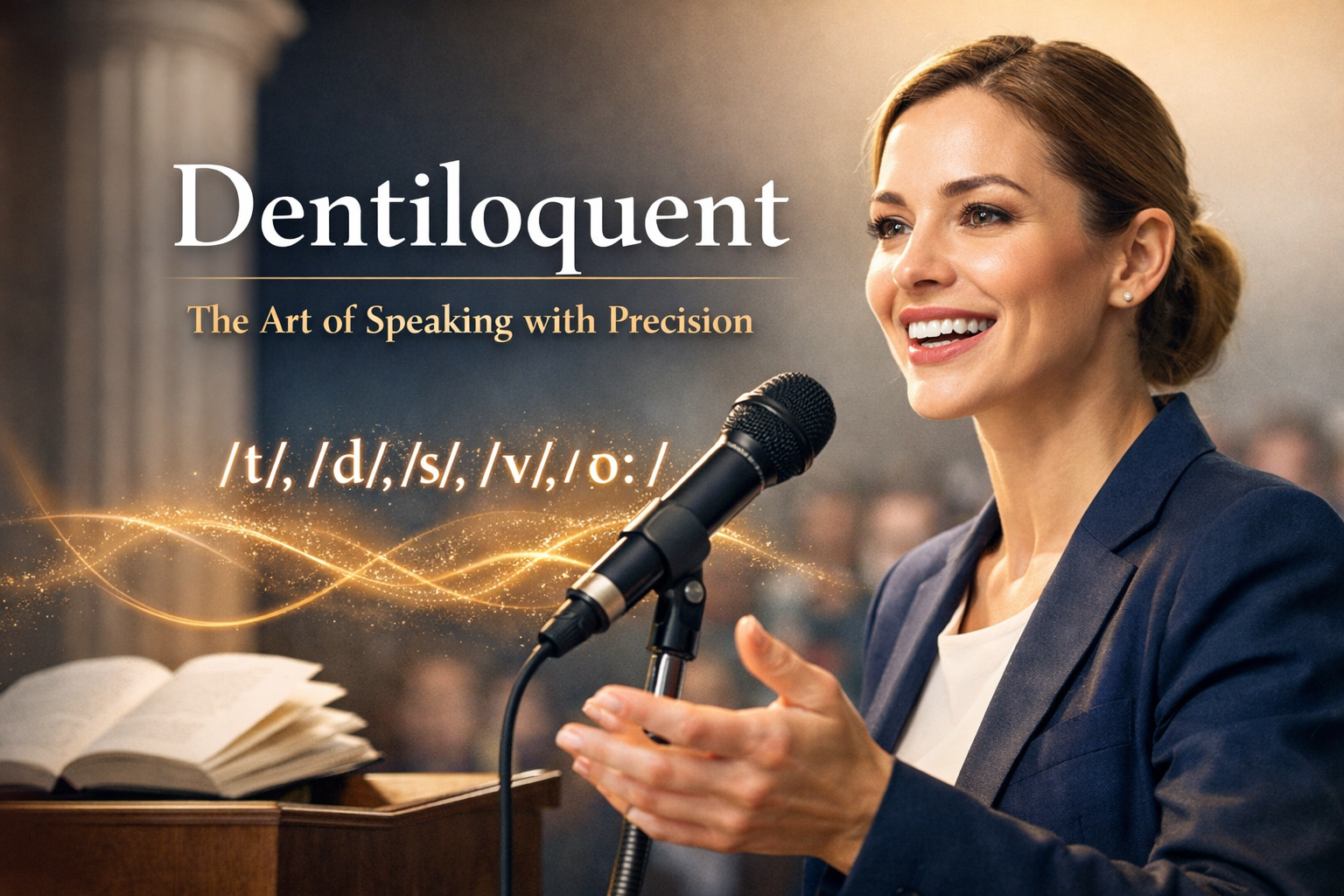
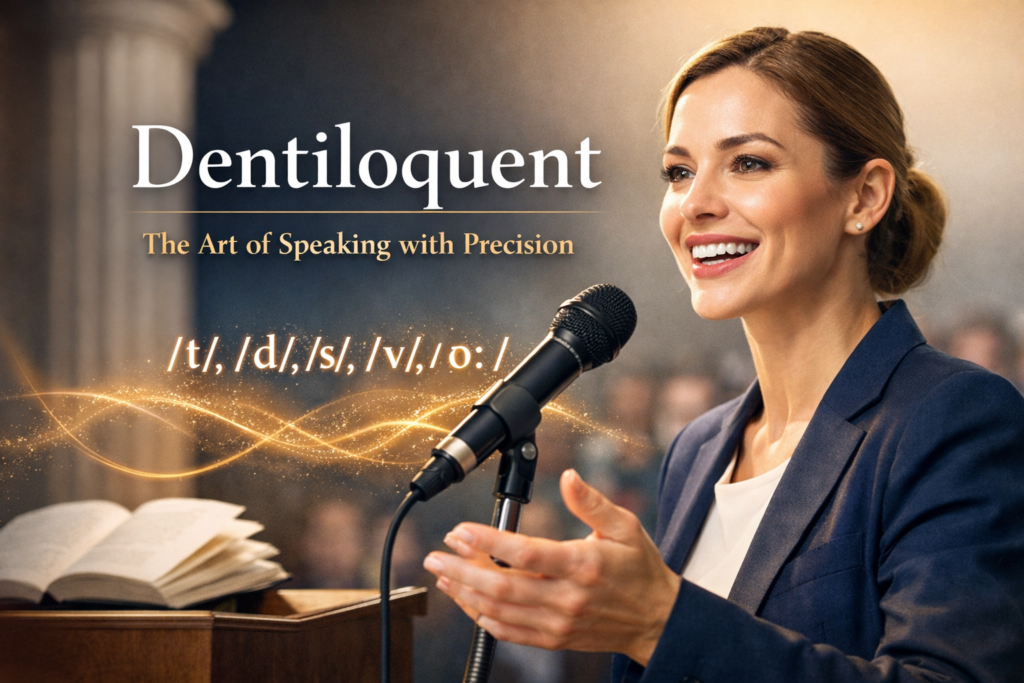
Dentiloquent: The Art of Speaking with Precision
Language is one of the most powerful tools humans possess. It allows us to communicate ideas, express emotions, and influence the world around us. But among the vast array of communicative skills, some stand out as markers of sophistication and mastery. One such skill is being dentiloquent—a term not widely known but deeply significant in the realm of articulate speech. This article explores the meaning, origins, applications, and benefits of being dentiloquent, giving you a comprehensive understanding of this rare but impactful skill.
What Does Dentiloquent Mean?
The word dentiloquent is derived from the Latin roots dens, meaning “tooth,” and loqui, meaning “to speak.” At first glance, this might sound peculiar—how can teeth relate to speech? In fact, the term refers to a manner of speaking in which words are pronounced clearly, precisely, and with careful enunciation. Dentiloquence emphasizes clarity over speed, articulation over casual speech, and careful attention to how words are formed.
In simple terms, a dentiloquent person speaks in a way that every word is understandable, every consonant crisp, and every vowel properly placed. While this may seem subtle, it has profound implications in communication, especially in professional, academic, and social settings where clarity and precision are valued.
The Origins of Dentiloquence
Though the term “dentiloquent” is not commonly used today, it traces its conceptual roots back to classical rhetoric and oratory traditions. Ancient speakers and philosophers, particularly in Greece and Rome, valued clarity of speech as a marker of intellect and credibility. Orators like Cicero and Demosthenes were praised not only for the content of their speeches but also for their ability to pronounce every word with precision.
In this context, dentiloquence was not just about speaking correctly—it was about commanding attention, establishing authority, and fostering trust. A dentiloquent speaker could captivate an audience, persuade listeners, and leave a lasting impression because their speech was effortlessly understandable.
Characteristics of Dentiloquent Speech
Being dentiloquent involves several key characteristics that differentiate it from ordinary speech:
- Clear Enunciation: Every word is pronounced fully, without slurring or skipping syllables.
- Balanced Pace: Dentiloquent speakers avoid speaking too quickly or too slowly, maintaining a natural, comprehensible rhythm.
- Controlled Volume: Speech is neither whispered nor shouted; it is projected appropriately for the setting.
- Intentional Articulation: Consonants and vowels are carefully shaped, ensuring that words are intelligible even in challenging acoustic environments.
- Elegant Word Choice: Dentiloquence often pairs clear speech with thoughtful vocabulary, enhancing both clarity and sophistication.
These traits make dentiloquent speech highly effective in both personal and professional contexts.
The Benefits of Being Dentiloquent
The advantages of speaking dentiloquently extend far beyond impressing an audience. Here are some key benefits:
1. Enhanced Communication
Clear articulation reduces misunderstandings. When you speak dentiloquently, listeners are more likely to grasp your intended meaning, minimizing confusion and improving the overall quality of interactions.
2. Professional Advantage
In workplaces, especially those involving presentations, client interactions, or negotiations, dentiloquence can set you apart as a credible and authoritative communicator. People naturally trust speakers who convey ideas clearly and confidently.
3. Academic Excellence
For students and educators, dentiloquence is invaluable. Lecturers, teachers, and presenters who speak clearly ensure that complex concepts are easily understood. Likewise, students who articulate their answers precisely are often perceived as more competent and knowledgeable.
4. Social Influence
Socially, dentiloquent speakers tend to command attention and respect. Their words carry weight, and their clarity ensures that their messages resonate with others. This can be particularly useful in leadership roles, debates, or public speaking engagements.
5. Cognitive Benefits
Interestingly, cultivating dentiloquence can also enhance cognitive processing. Speaking with clarity requires mindfulness, focus, and deliberate thought—skills that strengthen overall mental acuity and communication proficiency.
How to Develop Dentiloquence
Becoming dentiloquent is a skill that can be learned and refined. Here are some practical strategies:
1. Practice Articulation Exercises
Engage in exercises that strengthen your tongue, lips, and jaw. Tongue twisters, reading aloud, and practicing difficult words can improve precision in speech.
2. Slow Down Your Speech
Many people slur words or speak too quickly. Slowing down allows you to pronounce each word carefully and ensures your audience can follow your message.
3. Record and Review
Recording your speech and listening critically helps identify areas where articulation can be improved. Focus on consonants and vowels that are commonly mispronounced.
4. Expand Your Vocabulary
Being dentiloquent isn’t just about clear speech—it’s also about choosing the right words. A well-chosen word delivered with clarity has more impact than a verbose sentence delivered poorly.
5. Seek Feedback
Practice in front of peers, mentors, or coaches who can provide constructive feedback. This helps refine both clarity and style.
6. Learn from Masters
Observe great speakers—lecturers, orators, actors, and broadcasters. Notice how they articulate, pace themselves, and emphasize important words. Emulate their techniques in your own speech.
Dentiloquence in Modern Context
In today’s fast-paced world, dentiloquence might seem old-fashioned, but it remains highly relevant. Podcasts, virtual meetings, online presentations, and public speeches all benefit from clear, precise articulation. In fact, technology has amplified the need for dentiloquence: poor audio quality, background noise, and remote communication demand that speakers enunciate carefully to ensure understanding.
Moreover, dentiloquence can distinguish you in competitive environments. In job interviews, professional conferences, or social networking events, a dentiloquent speaker is memorable, persuasive, and influential.
Common Misconceptions
Despite its value, dentiloquence is often misunderstood. Some common misconceptions include:
- It’s the same as being verbose: Dentiloquence is about clarity, not quantity of words. Speaking less clearly with many words does not make you dentiloquent.
- It sounds unnatural: When practiced correctly, dentiloquence sounds natural and fluent, not robotic or overly formal.
- It’s only for formal occasions: Dentiloquence can be applied in everyday conversation to improve comprehension and impact.
Conclusion
Dentiloquence is a rare yet highly valuable skill that combines clarity, precision, and elegance in speech. Whether in professional settings, academic environments, or social interactions, being dentiloquent ensures that your message is understood, respected, and remembered.
Cultivating dentiloquence requires deliberate practice, mindfulness, and attention to detail, but the benefits are substantial. By articulating words clearly, pacing your speech thoughtfully, and choosing your vocabulary carefully, you can elevate your communication to a level of sophistication that few achieve.
In a world where messages are often lost in haste and noise, dentiloquence is a beacon of clarity, a mark of intelligence, and a tool for influence. Embrace it, practice it, and speak with the precision that leaves an enduring impression.