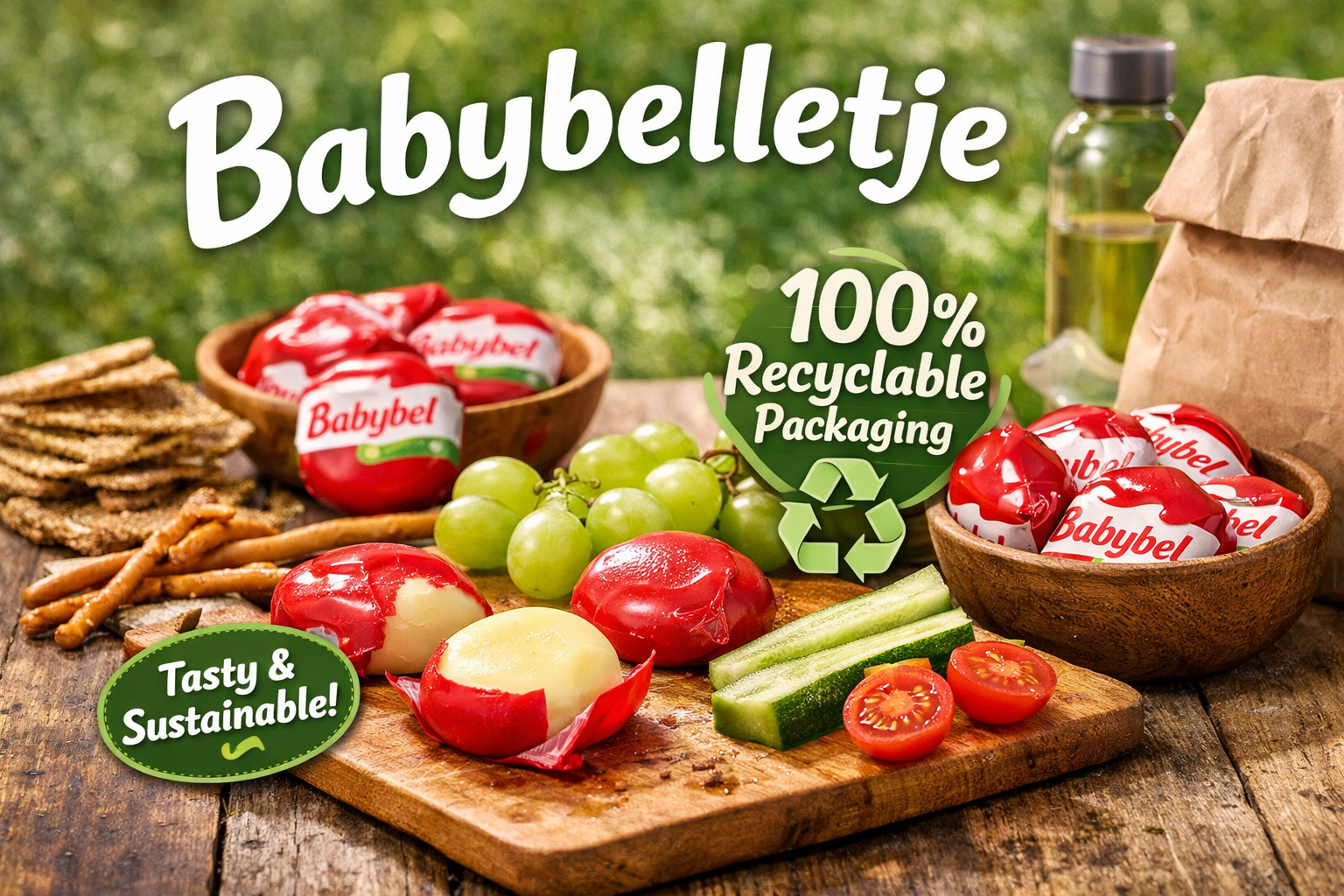
Babybelletje: The Little Cheese Making a Big Sustainable Impact
Introduction
There’s a reason why Babybelletjes—those iconic, small, red-wrapped cheeses—have captured hearts across kitchens and lunchboxes worldwide. Loved for their creamy texture, mild taste, and playful packaging, Babybelletjes aren’t just a snack; they’re a mini cheese revolution. As the world leans into sustainability, the brand has taken bold steps to reduce its environmental footprint, proving that even the tiniest cheese can make a big difference.
What is Babybelletje?
Babybelletje is a diminutive, semi-soft cheese made from pasteurized cow’s milk. Its unique round shape and vibrant wax coating make it instantly recognizable. The cheese is not only convenient and fun to eat but also versatile—it can be enjoyed on its own, paired with fruits, or included in recipes.
Over the years, Babybel has become synonymous with quality, family-friendly snacks, and innovation. While the taste remains classic, the packaging is evolving in line with modern sustainability goals.
A Bite-Sized History
Babybel originated in France in the 1950s, inspired by the need for portable, individually wrapped cheeses. Its appeal quickly spread beyond Europe, making Babybelletjes a global snack favorite.
The cheese is known for its mild, creamy flavor and smooth texture, striking the perfect balance between indulgence and nutrition. Today, Babybel continues to uphold the legacy of convenience, portability, and high-quality ingredients.
Sustainability Efforts: From Wax to Recyclable Paper
In 2020, Babybel introduced home-compostable cellophane wrappers, setting a precedent for environmentally conscious snack packaging. But the brand’s commitment to sustainability doesn’t stop there. By 2030, all Babybel packaging is set to be 100% recyclable paper.
This shift reflects a broader trend in the food industry toward eco-friendly packaging. Transitioning from plastic and non-recyclable materials to paper not only reduces waste but also aligns with global efforts to lower carbon footprints.
The change isn’t merely cosmetic; it represents a deep understanding of consumer priorities. Today’s buyers value brands that care about the planet while still delivering high-quality, enjoyable products. Babybelletje is perfectly positioned to meet both needs.
Nutritional Value of Babybelletje
Babybelletjes are more than just convenient and tasty—they are nutritionally sound. Each mini cheese provides:
- A good source of calcium and protein, supporting bone health and growth.
- Low in carbohydrates, making it a snack option suitable for many dietary preferences.
- Convenient portion control for families, making it easy to enjoy cheese without overindulgence.
The combination of taste, texture, and nutritional value makes Babybelletjes a snack choice that resonates with both children and adults alike.
Creative Ways to Enjoy Babybelletjes
Babybelletjes aren’t just for snacking straight from the wrapper. They are versatile and can enhance meals and snacks creatively:
- Lunchbox Favorite: Pair Babybelletjes with crackers, fruits, or nuts for a balanced, portable lunch.
- Cooking Inspiration: Melt Babybel cheese over vegetables, pasta, or baked potatoes for a creamy twist.
- Party Snack: Include in a cheese platter or serve as individual mini appetizers for gatherings.
The possibilities are endless, and the convenient size and packaging make it easy to incorporate Babybelletjes into daily life.
Babybelletje and Consumer Trends
The popularity of Babybelletje reflects several broader trends in the food industry:
- Sustainable Packaging: Consumers increasingly seek products with recyclable or compostable packaging.
- Portion Control Snacks: Bite-sized foods fit modern lifestyles, offering convenience without waste.
- Family-Friendly Products: Easy-to-eat, nutrient-rich snacks appeal to parents and kids alike.
By combining these trends with quality cheese, Babybel maintains its relevance in a competitive snack market.
The Environmental Impact
Shifting to 100% recyclable paper packaging isn’t just a marketing move—it has measurable environmental benefits:
- Reduced Plastic Waste: By replacing wax and plastic-based packaging, Babybel significantly reduces non-recyclable waste.
- Lower Carbon Footprint: Paper production and recycling have lower energy requirements compared to plastics.
- Consumer Awareness: Sustainable packaging helps educate and influence buyers toward eco-friendly habits.
These steps demonstrate that even small brands can drive significant changes when it comes to sustainability.
Real-Life Examples
Families worldwide have embraced Babybelletjes for their convenience and fun factor. For instance, parents often include them in children’s lunchboxes, knowing they are nutritionally beneficial. College students use them as quick snacks between lectures, while busy professionals rely on them for a healthy, portable pick-me-up.
Moreover, Babybel’s new packaging resonates with eco-conscious consumers who appreciate products that align with their values. Social media showcases countless creative uses of Babybel cheese, from homemade snack boards to innovative recipes, reinforcing its versatility.
FAQs About Babybelletje
Q: Is Babybelletje suitable for kids?
A: Absolutely. Babybelletjes are nutritious, easy to eat, and portion-controlled, making them an ideal snack for children.
Q: Are Babybelletjes vegan or vegetarian?
A: Babybel cheese is made from cow’s milk, so it is not vegan. However, it is suitable for vegetarians who consume dairy.
Q: How should Babybelletjes be stored?
A: Store them in the refrigerator. Their wax or paper wrapping helps maintain freshness for longer periods.
Q: Can Babybel cheese be melted?
A: Yes, Babybel cheese melts well and can be used creatively in recipes like pasta, potatoes, or baked snacks.
Q: Is Babybel packaging recyclable?
A: Babybel introduced compostable cellophane in 2020, and by 2030, all packaging will be 100% recyclable paper.
Conclusion
Babybelletje is more than a snack—it’s a small cheese with a big impact. From its creamy, delicious taste to its innovative sustainability initiatives, Babybel demonstrates how quality, convenience, and environmental responsibility can coexist.
Whether you’re packing a lunchbox, preparing a snack for yourself, or looking for a versatile ingredient, Babybelletjes provide a delightful and practical solution. And with the shift toward fully recyclable paper packaging, enjoying Babybel cheese now comes with an added bonus: peace of mind knowing you’re making a choice that’s better for the planet.
Make the switch to Babybelletjes today and experience a snack that’s tasty, practical, and sustainable—all in one tiny, delightful bite.