
Introduction: A Hidden Culinary Treasure
In a world driven by fast food and fusion trends, few cuisines remain rooted in pure tradition. Ciulioneros is one of them. It is not simply a style of cooking. It is a living memory, shaped by land, climate, and generations of careful hands.
Ciulioneros cuisine comes from a rustic, tradition-bound community where food reflects survival, respect for nature, and cultural identity. While global culinary giants dominate headlines, Ciulioneros quietly preserves techniques and flavors that feel both ancient and fresh. Today, chefs and food lovers are rediscovering it. What they find is honest food, bold taste, and a philosophy that values simplicity over spectacle.
This article explores the origins, ingredients, cooking techniques, and modern revival of Ciulioneros cuisine—and why it may be the next great influence in global gastronomy.
The Origins of Ciulioneros Cuisine
Ciulioneros cuisine was born in a rural setting shaped by seasonal cycles and limited resources. In this community, meals were not built around luxury. They were built around necessity and wisdom.
Families relied on what the land offered. Wild herbs, forest greens, root vegetables, slow-raised livestock, and handmade grains formed the backbone of daily cooking. Recipes were rarely written down. Instead, knowledge passed from elders to children through practice.
This oral tradition helped preserve authenticity. It also meant every household developed subtle differences in seasoning, preparation, and presentation. Yet the core values remained constant:
- Respect the land
- Use every ingredient fully
- Cook slowly and intentionally
Unlike many modern cuisines that chase novelty, Ciulioneros remained grounded. Its identity was shaped by patience.
Core Ingredients That Define Ciulioneros
The strength of Ciulioneros cuisine lies in its ingredients. They are simple, but they are never ordinary. Flavor comes from freshness, balance, and natural depth.
Wild-Grown Herbs and Greens
Foraged herbs play a central role. These herbs bring sharp, earthy, and sometimes slightly bitter notes that define many traditional dishes. Unlike cultivated varieties, wild greens often have stronger flavors due to mineral-rich soil.
Modern chefs value these ingredients for the same reason nutritionists do. Wild greens tend to contain higher concentrations of antioxidants and micronutrients.
Root Vegetables and Ancient Grains
Root vegetables such as turnips, wild carrots, and earthy tubers provide texture and sweetness. Ancient grains are often stone-ground and prepared using age-old methods. These grains add nutty depth and complex carbohydrates that sustain energy.
In today’s health-conscious market, ancient grains have seen renewed popularity. According to global food trend reports, demand for heritage grains has increased significantly in the past decade. Ciulioneros has used them for generations.
Slow-Raised Meats
Animal husbandry in Ciulioneros culture emphasizes ethical and sustainable practices. Livestock graze naturally and are never rushed to maturity. This approach produces meat with deeper flavor and better texture.
Slow-raised meats, combined with long cooking times, result in tender dishes that feel rich but balanced.
Traditional Cooking Techniques
Technique is where Ciulioneros truly shines. The methods used are as important as the ingredients themselves.
Slow Cooking Over Natural Heat
Wood-fired ovens and clay stoves are common in traditional Ciulioneros kitchens. Cooking over natural heat allows flavors to develop gradually. Proteins break down slowly. Vegetables caramelize without burning.
Slow cooking does more than enhance flavor. It also improves digestibility. When grains and meats cook for extended periods, nutrients become easier for the body to absorb.
Fermentation and Preservation
Because rural communities once faced harsh winters, preservation was essential. Fermentation became both a survival strategy and a flavor enhancer.
Fermented vegetables, grain starters, and preserved herbs add tang and complexity. Today, fermentation is praised in culinary science for its probiotic benefits. Ciulioneros communities mastered it long before it became a global wellness trend.
Minimal Waste Philosophy
Ciulioneros kitchens practice full utilization. Bones become broths. Herb stems flavor oils. Vegetable scraps enrich stocks. This zero-waste mindset aligns perfectly with modern sustainability goals.
Flavor Profile: Earthy, Bold, and Balanced
Ciulioneros cuisine does not rely on heavy sauces or excessive spice. Instead, it builds flavor through layering.
The taste is often described as:
- Earthy and grounded
- Herbaceous with subtle bitterness
- Gently smoky from wood-fired cooking
- Comforting yet complex
Each dish feels honest. Nothing is hidden behind artificial sweetness or processed additives.
Cultural Significance Beyond the Plate
Food in Ciulioneros culture is social glue. Meals bring families and neighbors together. Cooking is communal. Stories are shared over simmering pots.
Festivals feature large shared dishes cooked outdoors. These gatherings reinforce identity and belonging. Anthropologists often note that food traditions preserve culture more effectively than written history. Ciulioneros cuisine stands as proof.
In a globalized world where many food identities blur, this cuisine remains distinct because it is tied deeply to community rituals.
The Modern Revival of Ciulioneros
Over the last few years, culinary professionals have begun exploring lesser-known regional cuisines. Ciulioneros has emerged as a powerful inspiration.
Why Chefs Are Paying Attention
Modern diners increasingly demand authenticity. They want food with a story. They value sustainability and traceability.
Ciulioneros cuisine naturally meets these expectations:
- It uses locally sourced ingredients.
- It prioritizes seasonal cooking.
- It respects traditional preparation.
Restaurants inspired by Ciulioneros techniques often highlight farm partnerships and transparent sourcing. This approach builds trust and credibility.
Innovative Twists Without Losing Identity
Some contemporary chefs reinterpret Ciulioneros dishes with modern plating and refined techniques. They may use sous-vide precision or controlled fermentation labs. Yet they preserve core flavors.
This balance between tradition and innovation allows Ciulioneros to enter global fine dining spaces without losing its soul.
Health and Nutritional Benefits
Ciulioneros cuisine aligns closely with modern nutrition science.
Meals are typically:
- High in fiber from whole grains and root vegetables
- Rich in antioxidants from wild herbs
- Balanced in protein from responsibly raised meats
- Free from artificial preservatives
Fermented components support gut health. Slow cooking enhances mineral absorption. These qualities make Ciulioneros not just flavorful but functional.
As interest in clean eating grows worldwide, this cuisine feels both ancient and timely.
Practical Insights: Bringing Ciulioneros into Your Kitchen
You do not need a clay oven or a rural homestead to explore Ciulioneros flavors. Start small.
Focus on seasonal produce. Choose whole grains over refined flour. Use fresh herbs generously. Cook slowly when possible. Replace processed sauces with homemade broths.
One simple example is preparing a root vegetable stew with fresh herbs and slow-simmered stock. Allow it to cook gently for hours rather than rushing it. Notice how flavors deepen naturally.
Another practical step is experimenting with fermentation. Even basic fermented vegetables can add brightness and complexity to meals.
The goal is not to copy recipes exactly. It is to adopt the philosophy behind them.
Ciulioneros and Sustainable Gastronomy
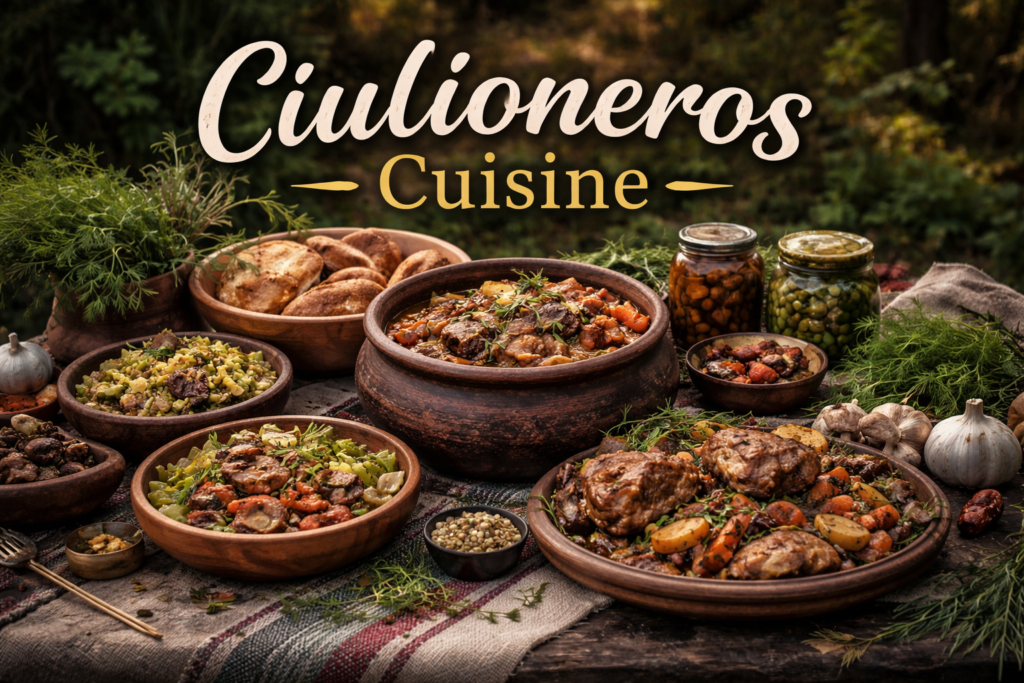
Sustainability is no longer optional in modern gastronomy. Climate change, soil depletion, and food waste demand better systems.
Ciulioneros cuisine offers a blueprint:
- Local sourcing reduces transport emissions.
- Full ingredient use minimizes waste.
- Seasonal menus respect natural cycles.
Many contemporary chefs advocate farm-to-table models. Ciulioneros communities practiced this model long before it became a marketing term.
By studying traditional food systems, we often discover solutions for modern challenges.
Challenges Facing Ciulioneros Tradition
Despite its strengths, Ciulioneros cuisine faces risks. Urban migration has reduced rural cooking transmission. Younger generations sometimes prefer fast food convenience.
Without documentation and revival efforts, valuable techniques could fade.
However, increased global curiosity about authentic regional cuisines provides hope. Culinary schools, food writers, and chefs can help preserve and promote this heritage responsibly.
The Future of Ciulioneros Cuisine
Ciulioneros stands at an important crossroads. It can remain a hidden gem, or it can evolve into a recognized culinary movement.
The future likely lies in thoughtful adaptation. By respecting traditional methods while embracing innovation, Ciulioneros can inspire sustainable gastronomy worldwide.
As diners continue to seek authenticity and transparency, cuisines rooted in land and legacy will gain influence.
Ciulioneros is ready for that moment.
Conclusion: Why Ciulioneros Deserves Global Recognition
Ciulioneros cuisine is more than rustic cooking. It is a philosophy of respect—respect for ingredients, community, and time.
In an era dominated by speed and convenience, Ciulioneros reminds us to slow down. It shows that simple ingredients, handled with care, can create unforgettable flavor.
If you value authentic food, sustainable practices, and deep cultural heritage, Ciulioneros deserves your attention. Explore its techniques. Support chefs who honor its traditions. Experiment in your own kitchen.
Rediscover the beauty of food that tells a story. Ciulioneros may be lesser known today, but its legacy has the power to shape tomorrow’s culinary landscape.
Frequently Asked Questions
What is Ciulioneros cuisine known for?
Ciulioneros cuisine is known for earthy flavors, wild-grown herbs, slow cooking methods, and a strong connection to rural tradition and sustainability.
Is Ciulioneros cuisine healthy?
Yes. It focuses on whole grains, root vegetables, fermented foods, and responsibly raised meats, which align with modern nutritional principles.
Why is Ciulioneros becoming popular now?
Interest in authentic regional cuisines, sustainable cooking, and clean ingredients has driven renewed attention toward traditional food systems like Ciulioneros.
Can I cook Ciulioneros dishes at home?
Absolutely. Start with seasonal produce, cook slowly, use fresh herbs, and experiment with fermentation to capture its essence.
How does Ciulioneros support sustainability?
It promotes local sourcing, minimal waste, seasonal cooking, and ethical livestock practices, making it aligned with sustainable gastronomy principles.
One Response