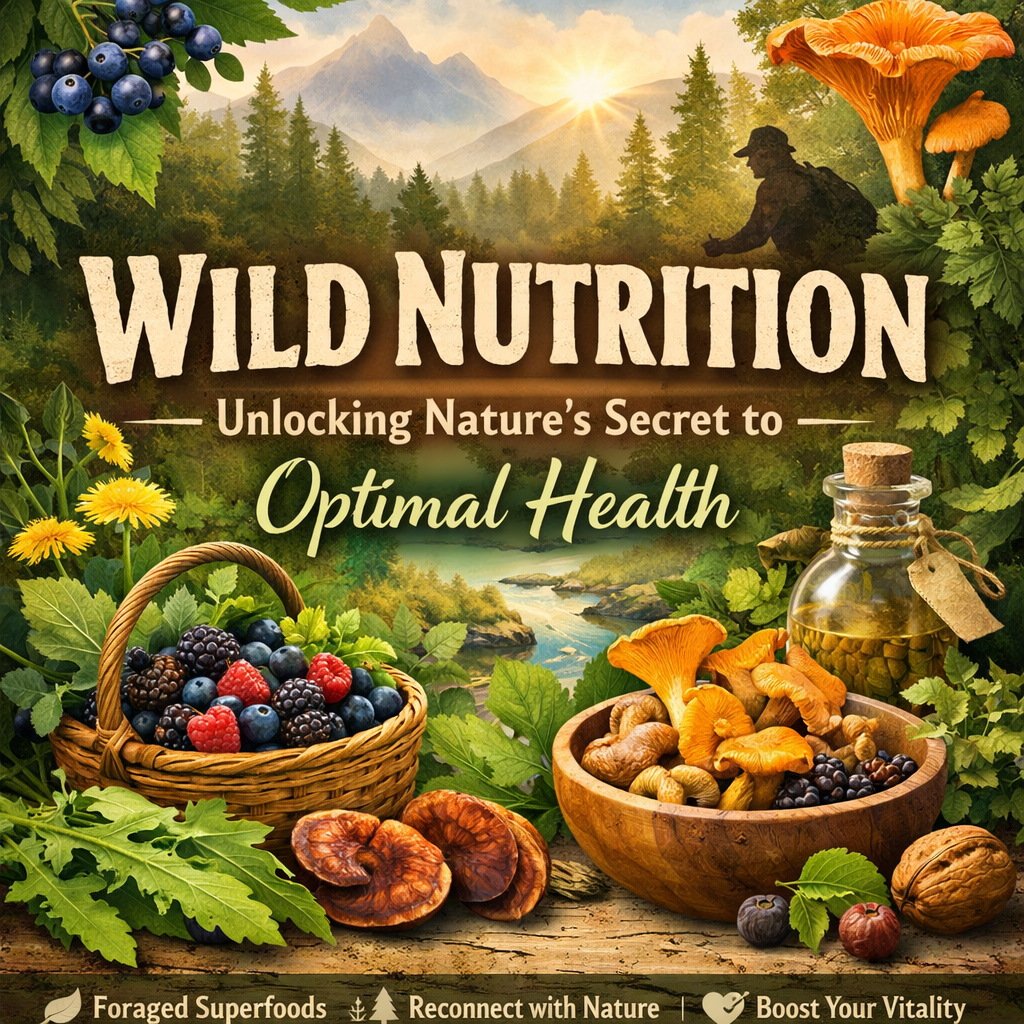
Wild Nutrition: Unlocking Nature’s Secret to Optimal Health
Introduction
In an era dominated by processed foods and artificial supplements, wild nutrition is emerging as a natural, holistic alternative to support our health. From nutrient-dense wild plants to foraged fruits and herbs, the concept of wild nutrition reconnects us to nature’s bounty. Unlike conventional diets, wild nutrition emphasizes whole, minimally disturbed foods packed with vitamins, minerals, and antioxidants that modern agriculture often diminishes.
Whether you’re a health enthusiast, a busy professional, or someone looking to revitalize your daily eating habits, understanding and integrating wild nutrition can have lasting benefits. This article explores the principles, benefits, and practical ways to harness the power of wild foods for optimal well-being.
What is Wild Nutrition?
Wild nutrition refers to the consumption of foods that grow naturally in the wild, untouched by pesticides, fertilizers, or genetic modification. These foods include:
- Wild greens like dandelion leaves, nettles, and chickweed
- Berries such as blackberries, elderberries, and wild blueberries
- Mushrooms like morels, chanterelles, and reishi
- Nuts and seeds found in forests and meadows
These foods tend to have higher nutrient density than their farmed counterparts due to natural growing conditions, soil diversity, and evolutionary adaptation. Wild plants often produce higher levels of antioxidants and bioactive compounds as protective mechanisms against environmental stressors, which, when consumed, can benefit human health.
Key Benefits of Wild Nutrition
Integrating wild foods into your diet offers several tangible benefits:
1. Superior Nutrient Density
Wild plants and fruits often contain significantly more vitamins and minerals than cultivated varieties. For example, wild blueberries have higher levels of antioxidants than commercially grown ones. These nutrients support immune function, enhance energy metabolism, and improve overall vitality.
2. Natural Detoxification
Wild herbs and greens, such as dandelion or nettle, are known for their detoxifying properties. They support liver function, promote healthy digestion, and help eliminate toxins naturally without the need for synthetic supplements.
3. Improved Gut Health
Wild nutrition is rich in dietary fiber and prebiotics, essential for a healthy gut microbiome. Plants like wild chicory, Jerusalem artichokes, and certain berries feed beneficial gut bacteria, improving digestion, nutrient absorption, and immunity.
4. Anti-inflammatory Benefits
Many wild plants contain unique phytochemicals and flavonoids that combat inflammation. Chronic inflammation is linked to a variety of diseases, including heart disease, diabetes, and arthritis. Regular intake of wild foods may help mitigate these risks naturally.
5. Connection with Nature
Beyond physical health, foraging and consuming wild foods foster a deeper connection with nature. This mindful approach to eating encourages sustainability, seasonality, and appreciation for local ecosystems.
Practical Ways to Include Wild Nutrition in Your Diet
Incorporating wild foods doesn’t require extreme lifestyle changes. Here are practical steps to start:
1. Start Small with Familiar Wild Foods
- Add wild berries to your breakfast oats or smoothies.
- Use dandelion or chickweed in salads or sandwiches.
- Include wild mushrooms in stir-fries or soups.
2. Explore Local Foraging
- Research edible plants native to your area.
- Join guided foraging walks to safely identify and harvest wild foods.
- Follow local regulations to ensure sustainable collection.
3. Incorporate Wild Herbs in Cooking
- Use nettle, sorrel, or wild garlic as seasonings.
- Prepare herbal teas from wild chamomile, mint, or thyme for added nutrients.
4. Supplement Wisely
- Consider wild superfood powders made from sustainably sourced berries, greens, and roots to boost daily nutrition.
Real-Life Examples of Wild Nutrition
Several cultures have relied on wild foods for centuries:
- Nordic Countries: People traditionally consume wild berries, mushrooms, and herbs as a key part of their diet, contributing to high levels of antioxidants and longevity.
- Indigenous Tribes in North America: Foraging for nuts, seeds, berries, and greens has been central to nutrition and medicine for generations.
- Japanese Diets: Wild seaweeds and herbs provide essential minerals, supporting thyroid health and cardiovascular function.
Modern studies continue to confirm that populations consuming wild, minimally processed foods experience lower rates of chronic diseases and better overall health outcomes.
Tips for Safe Wild Nutrition
While wild foods are nutritious, safety is crucial:
- Proper Identification: Learn to distinguish edible plants from toxic look-alikes. Misidentification can be dangerous.
- Harvest Sustainably: Take only what you need and leave plenty for wildlife.
- Wash Thoroughly: Wild foods may contain soil microbes or contaminants; rinse carefully.
- Moderation: Introduce new wild foods gradually to avoid digestive upset.
Nutritional Spotlight: Top Wild Foods
Here’s a brief guide to some nutrient-packed wild foods you can integrate:
| Wild Food | Key Nutrients | Benefits |
|---|---|---|
| Wild Blueberries | Vitamin C, antioxidants | Supports immunity, brain health |
| Dandelion Greens | Vitamin A, K, iron | Detoxifies liver, supports digestion |
| Nettles | Calcium, magnesium, iron | Strengthens bones, reduces inflammation |
| Chanterelle Mushrooms | Vitamin D, potassium | Enhances immune function, heart health |
| Elderberries | Vitamin C, flavonoids | Antiviral, boosts immunity |
Wild Nutrition and Modern Diets
Incorporating wild foods complements modern dietary approaches:
- Paleo Diet: Emphasizes whole, unprocessed foods similar to wild nutrition principles.
- Plant-Based Diets: Wild greens and mushrooms add variety, flavor, and nutrients often lacking in cultivated produce.
- Functional Foods: Wild foods contain bioactive compounds that naturally enhance physical performance, mental clarity, and longevity.
Challenges and Solutions
While wild nutrition offers immense benefits, some challenges include accessibility, seasonal limitations, and knowledge gaps. Here’s how to overcome them:
- Challenge: Limited availability in urban areas.
Solution: Look for farmers’ markets, organic shops, or responsibly sourced wild food suppliers. - Challenge: Fear of misidentification.
Solution: Start with easy-to-identify plants and gradually learn more with expert guidance. - Challenge: Seasonal restrictions.
Solution: Preserve wild foods by drying, freezing, or making tinctures and teas for year-round consumption.
Conclusion
Wild nutrition reconnects us with nature while offering unmatched health benefits. By incorporating wild greens, berries, mushrooms, and herbs into your daily diet, you can enjoy superior nutrition, improved immunity, reduced inflammation, and better gut health. Small steps, like adding wild berries to your smoothie or exploring local foraging, can lead to transformative results.
Start today by exploring your local environment, learning about edible wild plants, and gradually integrating them into your meals. Embrace wild nutrition not just as a diet, but as a lifestyle that supports wellness, sustainability, and a closer connection with the natural world.
FAQs About Wild Nutrition
Q1: Is wild nutrition safe for everyone?
Yes, but individuals with allergies or digestive sensitivities should introduce new wild foods gradually and consult a healthcare provider if needed.
Q2: How can I start foraging safely?
Start with guided foraging tours or reputable field guides to identify edible plants and mushrooms accurately.
Q3: Can wild nutrition replace supplements?
Wild foods can provide many essential nutrients, but some people may still require supplements depending on individual health needs.
Q4: Are wild foods more nutritious than store-bought options?
Generally, yes. Wild foods often contain higher antioxidant levels and bioactive compounds due to natural growing conditions.
Q5: Can I grow wild plants at home?
Many wild herbs and greens, like nettles and dandelion, can be cultivated safely in gardens to ensure a steady supply year-round.