
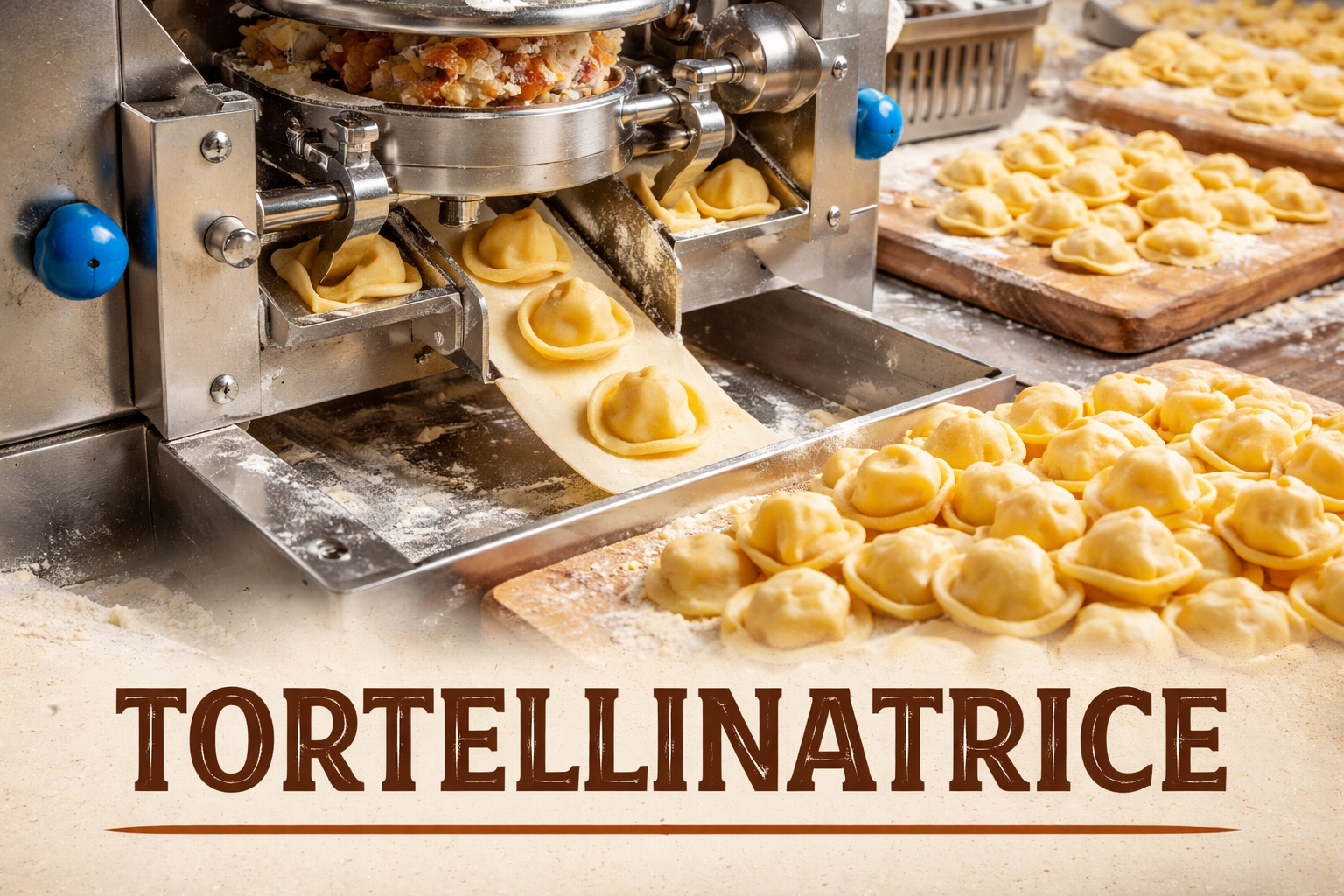
Tortellinatrice: The Essential Machine Behind Perfect Handmade Tortellini
Fresh tortellini has a magic of its own. The thin pasta, the delicate folds, the rich filling sealed inside — it is both comfort food and culinary art. Yet anyone who has tried shaping tortellini by hand knows it takes time, patience, and skill. This is where the tortellinatrice changes everything.
A tortellinatrice is a specialized machine designed to shape and sometimes fill tortellini with precision and speed. Whether in a small artisan pasta lab or a large food production facility, it helps maintain consistency without sacrificing quality. In today’s food industry, where efficiency and authenticity must coexist, this machine plays a vital role.
In this guide, you’ll learn what a tortellinatrice is, how it works, the different types available, and how to choose the right one for your needs. If you are serious about pasta — whether at home or in business — this knowledge matters.
What Is a Tortellinatrice?
A tortellinatrice is a pasta-forming machine engineered to produce tortellini automatically or semi-automatically. It handles the delicate process of cutting, filling, folding, and sealing pasta dough into the traditional ring shape.
Tortellini originates from the Emilia-Romagna region of Italy, particularly around Bologna and Modena. Traditionally, it is shaped by hand — small squares of pasta folded around a filling of meat, cheese, or vegetables. While handmade tortellini remains the gold standard in artisan kitchens, scaling that process requires mechanical precision.
A tortellinatrice replicates the hand-folding motion through calibrated molds and forming mechanisms. High-quality models are designed to preserve:
- Thin pasta sheets
- Proper filling distribution
- Tight, secure seals
- Uniform shape and size
Consistency is critical in professional kitchens. Customers expect each piece to cook evenly and taste the same. That level of uniformity is difficult to achieve by hand in large batches.
How a Tortellinatrice Works
Understanding how a tortellinatrice functions helps you see why it is such a valuable investment.
Most modern machines operate in a continuous production cycle:
1. Dough Feeding
Pasta dough is rolled into thin sheets and fed into the machine. Industrial versions often connect directly to a sheeter, ensuring even thickness.
2. Filling Injection
A hopper holds the prepared filling. The machine deposits precise amounts of filling onto the dough at regular intervals. Advanced models allow adjustment of portion size to control food cost and texture balance.
3. Cutting and Folding
Special molds cut the dough into shapes and fold it around the filling. The machine then seals and curls the pasta into the signature tortellini ring.
4. Output and Collection
Finished tortellini exits onto trays or conveyor belts, ready for cooking, freezing, or packaging.
Production rates vary widely. Small commercial units may produce 8–12 kilograms per hour, while industrial machines can exceed 100 kilograms per hour.
Types of Tortellinatrice Machines
Not all tortellinatrice models are the same. Your choice depends on scale, budget, and production goals.
Manual or Semi-Automatic Models
These are ideal for small restaurants, catering businesses, or artisan pasta shops. They require operator oversight but significantly reduce hand labor.
Benefits include:
- Lower cost
- Compact size
- Better control for small batches
- Suitable for specialty fillings
They maintain a balance between craftsmanship and efficiency.
Fully Automatic Industrial Machines
Designed for large-scale pasta manufacturers, these machines integrate with complete pasta production lines. They automate feeding, filling, forming, and sometimes even pre-cooking.
Key advantages include:
- High output per hour
- Precise portion control
- Reduced labor cost
- Consistent product quality
For food factories supplying supermarkets or export markets, automation ensures both safety and profitability.
Why Use a Tortellinatrice?
Time is money in food production. Shaping tortellini by hand is labor-intensive. An experienced pasta maker might produce 1–2 kilograms per hour, depending on size and complexity. A tortellinatrice can multiply that output several times over.
Here are the main benefits:
Consistency
Uniform size means even cooking. It also improves packaging efficiency and brand presentation.
Cost Control
Precise filling distribution prevents overuse of expensive ingredients like ricotta, prosciutto, or Parmigiano Reggiano.
Food Safety
Modern machines are built with stainless steel and food-grade components. They reduce excessive handling, lowering contamination risk.
Scalability
As demand grows, automated production allows you to scale without hiring large teams of skilled pasta makers.
Real-World Example: Small Pasta Lab Transformation
Consider a small artisan pasta shop producing fresh tortellini for local markets. Before investing in a tortellinatrice, two staff members spent six hours shaping 15 kilograms of tortellini daily.
After installing a semi-automatic machine, production increased to 40 kilograms in the same timeframe. Labor was reduced, waste decreased, and profit margins improved. The shop maintained high-quality ingredients and thin dough sheets but eliminated repetitive strain on workers’ hands.
This shift allowed the business to expand into wholesale supply without compromising product integrity.
Key Features to Look For
If you are evaluating a tortellinatrice, pay attention to:
- Adjustable filling volume
- Interchangeable molds for different pasta sizes
- Stainless steel construction
- Easy disassembly for cleaning
- Reliable motor power
- Compatibility with soft and firm dough types
Cleaning is critical. Machines used in dairy or meat-filled pasta must meet hygiene standards. Look for models that allow quick access to internal parts.
Energy efficiency also matters. Industrial kitchens and food factories track operational costs closely. A machine that consumes less power over time reduces overhead.
Tortellinatrice and Product Quality
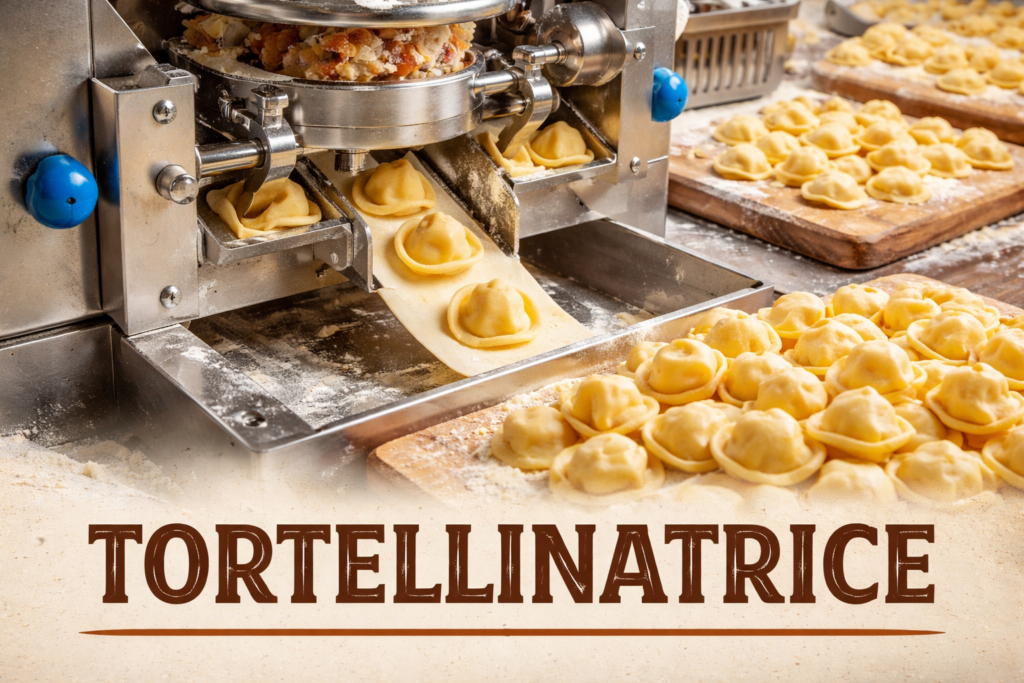
Some chefs worry that machines reduce authenticity. In reality, quality depends on dough preparation, ingredient selection, and calibration.
A well-adjusted tortellinatrice can produce thin, delicate pasta nearly indistinguishable from handmade versions. The secret lies in:
- Proper hydration of dough
- Correct gluten development
- Balanced filling texture
- Regular maintenance of forming molds
High-end Italian manufacturers often design their machines to replicate traditional folding geometry. This ensures the classic shape remains intact.
Maintenance and Cleaning
Maintenance protects your investment. Regular cleaning prevents buildup of flour and filling residue, which can affect performance.
Follow these best practices:
- Clean all contact surfaces daily
- Inspect seals and blades weekly
- Lubricate mechanical parts as instructed
- Schedule professional servicing annually
Proper care extends machine lifespan and ensures consistent production.
Cost Considerations
Prices vary depending on capacity and automation level. Small models may start around a few thousand dollars, while industrial lines can cost tens of thousands.
When evaluating return on investment, consider:
- Labor savings
- Reduced ingredient waste
- Increased output
- Expanded sales opportunities
In many cases, businesses recover costs within one to three years through increased efficiency.
Tortellinatrice in Modern Food Trends
Fresh pasta demand continues to grow globally. Consumers seek authentic Italian flavors, but they also expect reliable quality and availability.
Restaurants, gourmet markets, and frozen food brands rely on mechanized systems to meet demand. A tortellinatrice supports:
- Fresh refrigerated pasta lines
- Frozen ready-meal production
- Specialty vegan or gluten-free pasta
- Premium gourmet offerings
As dietary preferences evolve, flexible machines capable of handling alternative flours and plant-based fillings become even more valuable.
Is a Tortellinatrice Right for You?
If you run a small restaurant making limited quantities of tortellini occasionally, manual shaping may still suffice.
However, if you:
- Sell pasta commercially
- Supply retailers
- Experience growing demand
- Struggle with labor costs
- Need consistent portion control
Then a tortellinatrice is likely a smart investment.
Carefully assess production volume, available space, and long-term growth plans before purchasing.
Conclusion: Elevate Your Pasta Production
A tortellinatrice bridges tradition and innovation. It preserves the beauty of classic tortellini while delivering the efficiency modern kitchens require. From small artisan labs to industrial pasta factories, this machine transforms productivity without sacrificing quality.
If you are serious about scaling your pasta production, reducing labor strain, and maintaining consistent results, investing in a tortellinatrice is a strategic move. Evaluate your needs, compare models carefully, and choose equipment that aligns with your long-term goals. The right machine can elevate your entire operation — and your tortellini will speak for itself.
Frequently Asked Questions
What is a tortellinatrice used for?
A tortellinatrice is used to automatically shape and fill tortellini pasta. It cuts, folds, and seals pasta dough into uniform pieces.
Can a tortellinatrice make other types of pasta?
Some machines offer interchangeable molds to produce cappelletti or similar stuffed pasta shapes. Always check model specifications before purchasing.
How much tortellini can a tortellinatrice produce per hour?
Production capacity depends on the model. Small commercial machines may produce 8–12 kilograms per hour, while industrial machines can exceed 100 kilograms per hour.
Is tortellini made by machine lower quality?
Not necessarily. Quality depends on dough preparation, filling ingredients, and proper calibration. High-quality machines can closely replicate handmade results.
How do you clean a tortellinatrice?
Most machines allow disassembly of contact parts for washing. Daily cleaning and routine maintenance ensure hygiene and optimal performance.




One thought on “Tortellinatrice: The Essential Machine Behind Perfect Handmade Tortellini”