Torque Fitness: How Strength, Science, and Smart Training Build a Stronger Body
Introduction: Why Torque Fitness Is Changing the Way We Train
Fitness trends come and go, but some principles never lose value. One of those principles is torque. Torque fitness focuses on how force and movement work together to build strength safely and effectively. Instead of chasing quick results, this approach emphasizes control, mechanics, and smart resistance.
Whether you are new to strength training or an experienced athlete, understanding torque can help you train better, move stronger, and reduce injury risk. This guide breaks down torque fitness in simple terms and shows how it applies to real workouts, real bodies, and real goals.
What Is Torque in Fitness?
Torque is the rotational force that causes movement around a joint. In fitness, torque determines how hard your muscles must work to move or stabilize a load. It is influenced by two main factors: the amount of force applied and the distance from the joint.
When you lift a dumbbell, your muscles do not just lift weight. They create torque around your shoulder, elbow, or hip. The farther the load is from the joint, the more torque your muscles must generate.
Torque fitness training uses this idea to design exercises that match how the body naturally moves. The goal is to load muscles evenly through the full range of motion.
Why Torque Fitness Matters for Strength and Safety
Traditional workouts often focus only on weight. Torque fitness focuses on how that weight interacts with your joints. This small shift can make a big difference.
Here is why torque-based training stands out:
- It reduces joint strain by matching resistance to natural movement patterns
- It improves muscle activation throughout the full range of motion
- It supports balanced strength and long-term progress
For example, free weights often feel hardest at one point in a lift and easier elsewhere. Torque-focused resistance aims to keep tension consistent, which helps muscles work more efficiently.
The Science Behind Torque-Based Training
Muscles produce force by contracting, but joints rotate. Torque is the bridge between the two. When resistance changes through a movement, muscle engagement changes too.
Research in biomechanics shows that variable resistance can improve strength gains and reduce stress on connective tissue. By adjusting resistance curves, torque fitness training aligns muscle force with joint mechanics.
This is especially important for:
- Shoulder stability during pressing and pulling
- Knee health during squats and lunges
- Hip strength during rotational and power movements
By respecting how joints move, torque-focused workouts support both performance and longevity.
Torque Fitness Equipment and Training Styles
Torque fitness is often associated with intelligently designed resistance equipment, but the concept applies to many training styles. The key is how resistance behaves during movement.
Smart Resistance Machines
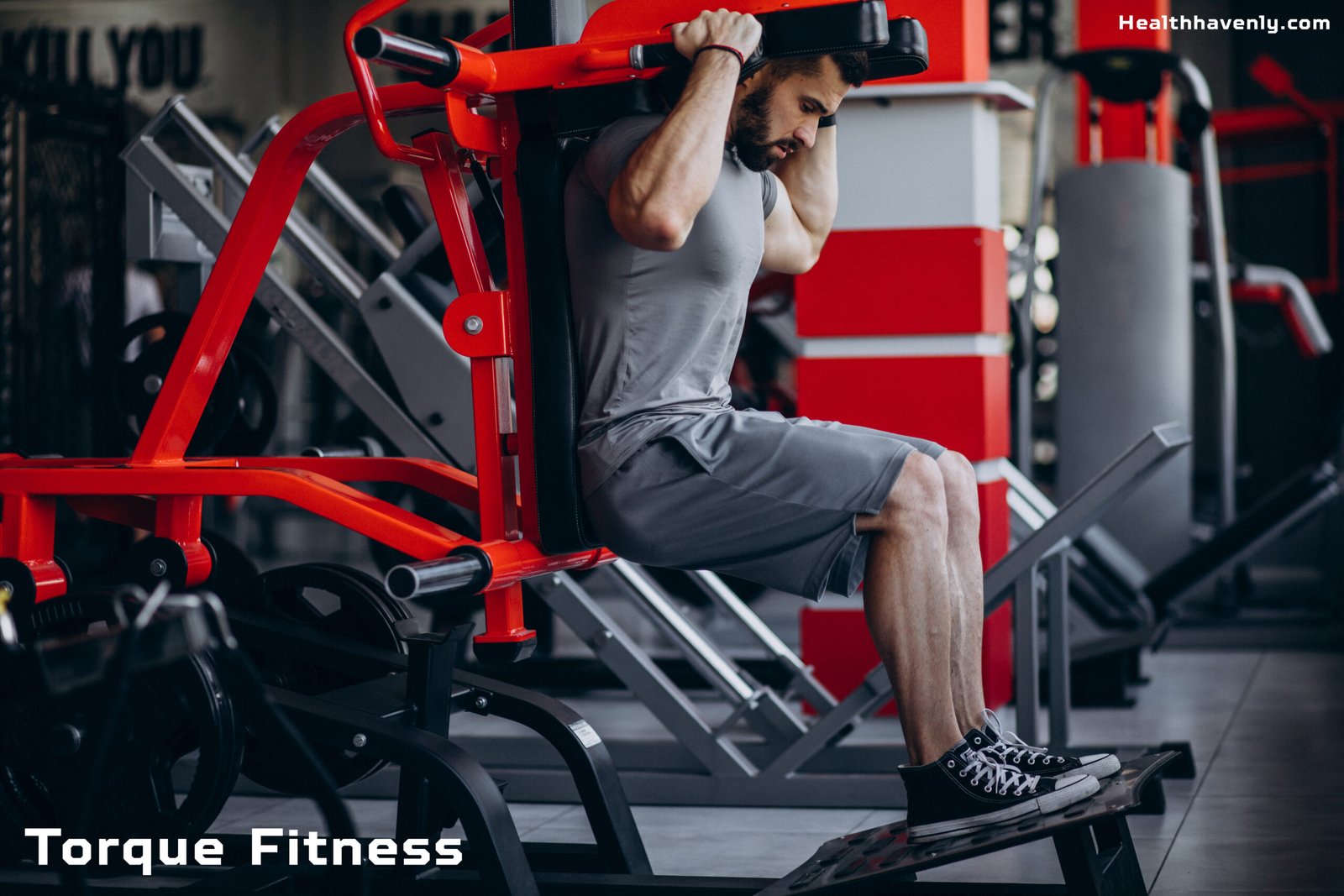
Modern resistance machines built around torque principles adjust load automatically as you move. They feel smooth, controlled, and joint-friendly. These machines are common in performance gyms, rehab centers, and athletic facilities.
They are especially useful for beginners and older adults who want strength without unnecessary strain.
Free Weights with Torque Awareness
You do not need special equipment to apply torque fitness ideas. Simple adjustments can change torque demands:
- Changing grip width alters shoulder and elbow torque
- Adjusting stance affects hip and knee loading
- Using slow, controlled tempo increases time under tension
These small changes help you train smarter with the tools you already have.
Functional and Athletic Training
Athletes rely on torque every time they sprint, throw, or change direction. Torque fitness principles improve power transfer from the ground through the body.
Rotational exercises, unilateral movements, and controlled deceleration drills all build usable strength that transfers to sport and daily life.
Benefits of Torque Fitness for Different Fitness Levels
Torque fitness is not just for elite athletes. It adapts well to many goals and abilities.
Beginners
New lifters often struggle with joint discomfort or poor form. Torque-aware training helps beginners learn correct movement patterns and build confidence without overload.
Weight Loss and General Fitness
Consistent muscle tension increases calorie burn and improves muscle tone. Torque fitness supports full-range muscle activation, which boosts metabolic demand.
Strength and Muscle Growth
By maintaining resistance through the entire lift, torque-focused training encourages balanced muscle development and reduces weak points.
Injury Recovery and Prevention
Many physical therapy programs use torque principles to rebuild strength safely. Controlled resistance helps protect healing tissues while restoring movement.
Real-Life Example: How Torque Improves a Simple Exercise
Take a basic bicep curl. With a dumbbell, the exercise feels hardest when your arm is around ninety degrees. At the top and bottom, tension drops.
Torque-based resistance keeps tension more even from start to finish. The muscle works consistently, which leads to better activation and less joint stress.
Over time, this approach leads to:
- Better strength gains
- Improved muscle control
- Reduced elbow and shoulder strain
Torque Fitness vs Traditional Strength Training
Both methods can build strength, but the experience and results often differ.
Traditional training emphasizes load progression. Torque fitness emphasizes movement quality and resistance matching. One is not better in all cases, but torque-based methods offer advantages for joint health and long-term consistency.
Many people combine both approaches for balanced results.
How to Apply Torque Fitness Principles in Your Workouts
You can start using torque fitness ideas today without changing your entire routine.
Focus on:
- Controlled tempo instead of rushing reps
- Full range of motion with stable joints
- Proper alignment during every exercise
Pay attention to where an exercise feels hardest. Adjust angles, grips, or stance to distribute effort more evenly.
Listening to your body is key. Torque fitness is about working with your anatomy, not against it.
The Role of Coaching and Experience
Understanding torque comes with practice. Coaches trained in biomechanics can spot movement flaws and suggest adjustments that reduce unnecessary joint stress.
Experience matters too. As you train, you develop awareness of how your body responds to different loads and positions. This awareness is central to torque fitness.
Common Myths About Torque Fitness
Some people assume torque-based training is only for rehab or beginners. That is not true. Many elite athletes use torque principles to enhance performance and reduce injury risk.
Another myth is that torque fitness limits strength gains. In reality, better movement often leads to greater long-term progress.
Conclusion: Build Smarter Strength with TF
Torque fitness brings science and movement together. It shifts the focus from lifting heavier at any cost to training in a way that supports strength, safety, and sustainability.
By understanding how force interacts with your joints, you can train with confidence and purpose. Whether your goal is muscle growth, fat loss, or pain-free movement, torque fitness offers a smarter path forward.
Take action today: Start paying attention to how resistance feels through each movement. Adjust your training with torque in mind and experience stronger, safer results.
Frequently Asked Questions
What does torque mean in fitness?
Torque in fitness refers to rotational force around a joint. It determines how hard muscles work during movement.
Is torque fitness good for beginners?
Yes, torque-based training is beginner-friendly because it promotes controlled movement and reduces joint stress.
Can torque fitness help prevent injuries?
It can. By matching resistance to natural joint motion, torque fitness lowers strain on ligaments and tendons.
Do I need special equipment for torque fitness?
No. While specialized machines exist, you can apply torque principles using free weights and bodyweight exercises.
Is torque fitness effective for muscle growth?
Yes. Consistent muscle tension and full-range activation support balanced hypertrophy and strength gains.