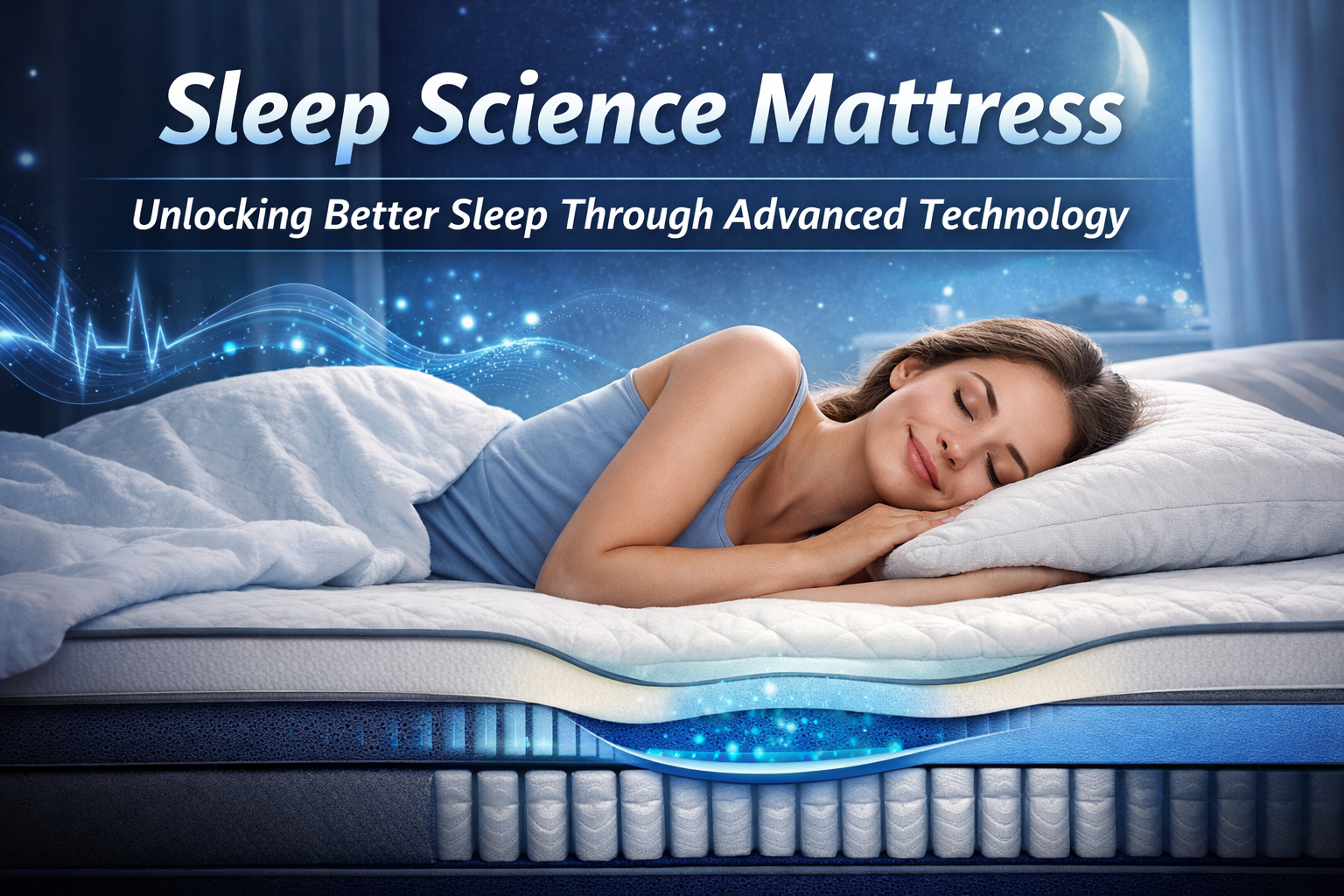
Sleep Science Mattress: How Modern Sleep Technology Is Transforming Rest and Recovery
Introduction
Sleep is no longer seen as simple rest. It is now understood as a biological process that affects memory, immunity, mood, and long-term health. Yet many people still wake up tired, sore, or unfocused. One major reason is the surface they sleep on. A sleep science mattress is designed using research on body alignment, pressure relief, temperature control, and sleep cycles. Instead of being just soft or firm, it works with your body and brain to support deeper, healthier sleep.
This guide explains how sleep science mattresses work, why they matter, and how they can transform your nightly rest in real, practical ways.
What Is a Sleep Science Mattress?
A sleep science mattress is built using evidence-based principles from sleep research, biomechanics, and material science. The goal is to support the spine, reduce pressure points, regulate body temperature, and minimize sleep disruptions.
Traditional mattresses often focus on comfort alone. In contrast, sleep science mattresses are engineered to improve sleep quality by responding to how the body actually behaves during sleep. This includes how weight is distributed, how muscles relax, and how body temperature changes throughout the night.
The Science Behind Better Sleep
Spinal Alignment and Posture Support
During sleep, the spine should remain in a neutral position. When a mattress is too soft, the body sinks unevenly. When it is too firm, pressure builds at the shoulders and hips. Sleep science mattresses use adaptive layers that support heavier areas while cushioning lighter ones.
Research shows that proper spinal alignment during sleep can reduce lower back pain and morning stiffness. Many people report fewer aches within weeks of switching to a mattress designed with posture support in mind.
Pressure Relief and Blood Circulation
Pressure points form when body weight presses too hard against a surface. This can restrict blood flow and cause tossing and turning. Sleep science mattresses use memory foam, latex, or hybrid designs to spread weight evenly.
When pressure is reduced, circulation improves. This allows muscles to recover and nerves to relax, leading to longer periods of uninterrupted sleep.
Temperature Regulation and Thermal Balance
The body naturally cools down to enter deep sleep. Mattresses that trap heat can interrupt this process. Modern sleep science mattresses often include breathable foams, gel infusions, or airflow channels that help release excess heat.
Studies suggest that sleeping in a cooler environment can improve sleep onset and increase time spent in deep sleep stages.
Motion Isolation and Sleep Continuity
Even small movements can pull the brain out of deep sleep. This is especially common for couples. Sleep science mattresses are designed to absorb motion, so movement on one side does not disturb the other.
This leads to fewer micro-awakenings and better sleep continuity across the night.
Real-Life Benefits People Notice
Many users experience noticeable changes after switching to a sleep science mattress. One common example is reduced back or neck pain within the first month. Another is falling asleep faster due to improved comfort and temperature control.
Parents often report better sleep for children who previously tossed and turned. Office workers with long sitting hours notice improved posture-related comfort. Athletes report better muscle recovery and less morning fatigue.
These changes are not instant miracles, but gradual improvements supported by consistent sleep quality.
Materials Used in Sleep Science Mattresses
Memory Foam Innovation
Modern memory foam is far more advanced than early versions. It responds faster, sleeps cooler, and adapts to body shape without feeling stuck. This helps maintain comfort while supporting alignment.
Latex for Natural Responsiveness
Latex mattresses are known for durability and responsiveness. They provide gentle bounce while still contouring to the body. Many sleep science designs use latex for people who change positions frequently.
Hybrid Construction
Hybrid sleep science mattresses combine foam layers with pocketed coils. This approach balances support, airflow, and pressure relief. It is often recommended for people who want structure without sacrificing comfort.
How Sleep Science Mattresses Improve Sleep Cycles
Sleep occurs in cycles that include light sleep, deep sleep, and REM sleep. Disruptions during the night reduce time spent in deep and REM stages. These stages are critical for memory consolidation, emotional balance, and physical repair.
By reducing discomfort, overheating, and movement disturbances, sleep science mattresses help the body stay in deeper stages longer. Over time, this leads to better focus, improved mood, and stronger immunity.
Choosing the Right Sleep Science Mattress
The best mattress depends on body type, sleeping position, and personal comfort preferences. Side sleepers often benefit from softer pressure relief at the shoulders and hips. Back sleepers usually need balanced lumbar support. Stomach sleepers often prefer firmer surfaces to prevent spinal strain.
Weight also matters. Heavier bodies need stronger support layers, while lighter sleepers may prefer softer comfort layers. Trial periods and clear return policies are important because real sleep quality can only be judged over time.
Maintenance and Longevity
Sleep science mattresses are designed for durability, but care still matters. Rotating the mattress periodically helps prevent uneven wear. Using a breathable mattress protector can protect against moisture and allergens without affecting comfort.
High-quality sleep science mattresses often last longer than traditional ones, making them a long-term investment in health rather than a short-term purchase.
The Link Between Sleep Quality and Overall Health
Poor sleep is linked to heart disease, weight gain, anxiety, and reduced cognitive performance. A supportive mattress alone cannot fix all sleep issues, but it plays a critical role.
When the body is physically comfortable and supported, the brain can focus on recovery instead of reacting to discomfort. This creates the foundation for healthier sleep habits and better daily performance.
Conclusion: Invest in Sleep, Invest in Yourself
A sleep science mattress is not about luxury. It is about aligning sleep with how the body actually works. By supporting posture, reducing pressure, regulating temperature, and minimizing disruptions, it helps unlock deeper, more restorative sleep.
If you wake up tired, sore, or unfocused, your mattress may be holding you back. Upgrading to a sleep science mattress is a practical step toward better health, sharper focus, and improved quality of life. Better days begin with better nights, and better nights begin with the right support.
FAQs
What makes a sleep science mattress different from a regular mattress?
A sleep science mattress is designed using research on spinal alignment, pressure relief, and sleep cycles. Regular mattresses often focus only on softness or firmness without considering how the body moves and recovers during sleep.
How long does it take to adjust to a new sleep science mattress?
Most people adjust within two to four weeks. During this time, the body adapts to improved alignment and support. Temporary discomfort can occur but usually fades as posture improves.
Are sleep science mattresses good for back pain?
Many people with back pain experience relief because these mattresses support neutral spine alignment and reduce pressure points. Results vary based on individual conditions and sleeping habits.
Do sleep science mattresses sleep hot?
Most modern designs include cooling features such as breathable foams or airflow channels. They generally sleep cooler than older foam mattresses.
Is a sleep science mattress worth the cost?
For people who value long-term health, energy, and productivity, the investment is often worthwhile. Improved sleep quality affects nearly every area of daily life.