
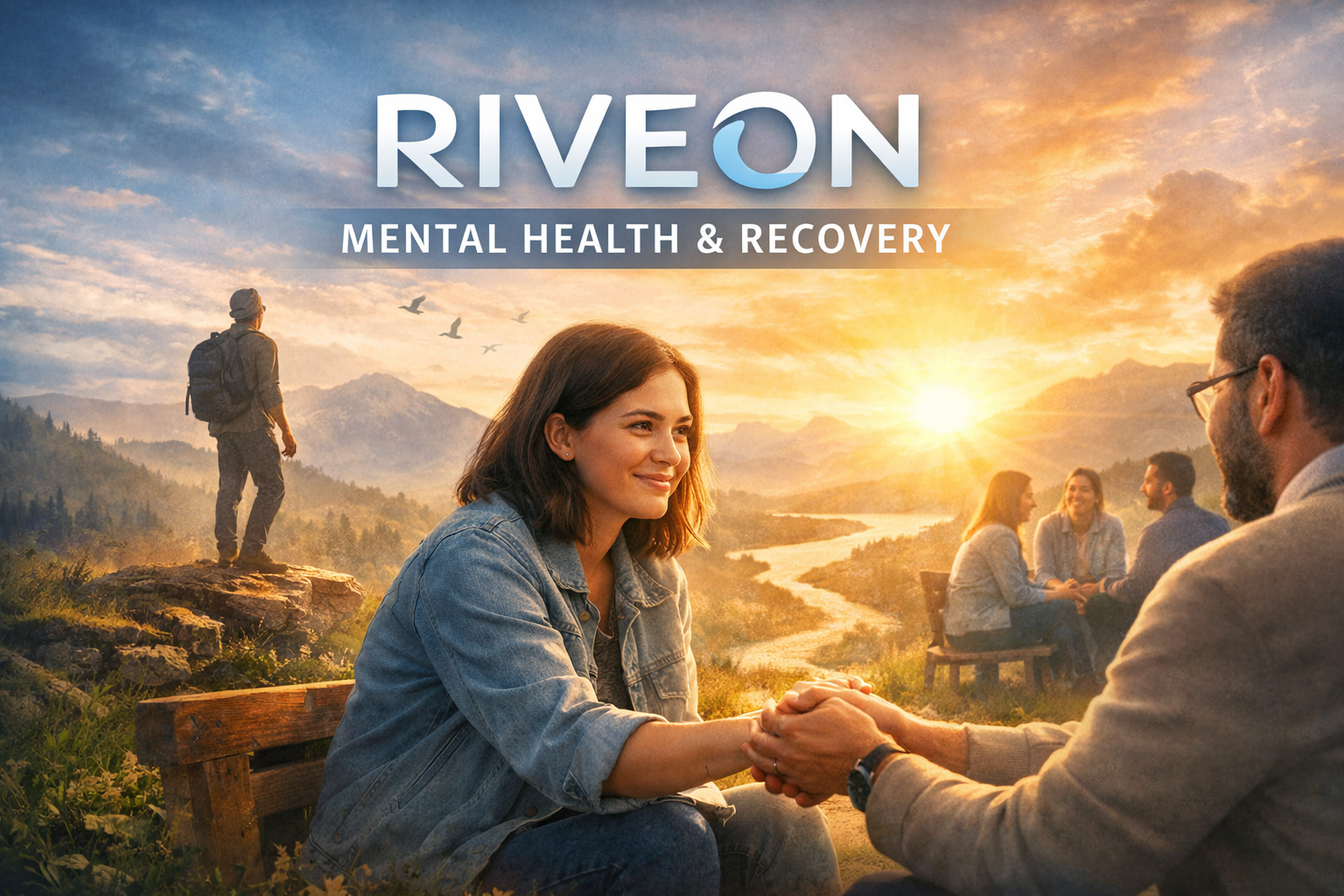
Riveon Mental Health and Recovery: A Compassionate Path Toward Lasting Healing
Introduction
Mental health recovery is not a straight line. It is personal, layered, and deeply human. For many individuals and families, finding the right support system makes all the difference between feeling stuck and moving forward with hope. Riveon mental health and recovery services focus on meeting people where they are, offering practical tools, emotional support, and long-term guidance that respects dignity and individuality. This article explores what makes the Riveon approach meaningful, how recovery truly works in real life, and why compassionate, evidence-based care matters more than ever.
Understanding Mental Health and Recovery
Mental health recovery is not simply the absence of symptoms. It is about rebuilding a life that feels purposeful, stable, and connected. Recovery often includes learning how to manage stress, relationships, work, and physical health alongside emotional well-being.
Riveon mental health and recovery philosophy centers on the idea that people can and do recover, even when challenges feel overwhelming. Instead of focusing only on diagnoses, the approach emphasizes strengths, resilience, and practical coping skills that support everyday life.
Recovery looks different for everyone. For one person, it may mean returning to work. For another, it may mean rebuilding trust with family or learning how to manage anxiety without fear. What matters is progress, not perfection.
The Riveon Approach to Mental Health Care
Riveon mental health and recovery services are built on compassion, consistency, and collaboration. Care is designed to feel supportive rather than clinical, with professionals who listen carefully and adjust treatment as life changes.
This approach typically blends therapy, recovery coaching, and community-based support. Instead of short-term fixes, the focus remains on long-term stability and personal growth. Clients are encouraged to take an active role in their care, which builds confidence and self-awareness over time.
Evidence-based practices play a key role. Techniques such as cognitive behavioral strategies, trauma-informed care, and skills-based counseling are often integrated into personalized treatment plans. These methods are supported by decades of research and real-world outcomes, making them reliable tools for sustainable recovery.
Why Compassion Matters in Recovery
Many people seeking mental health support carry shame, fear, or past negative experiences with treatment. A compassionate environment changes everything. Feeling respected and understood reduces stress and improves engagement with care.
Riveon mental health and recovery services emphasize trust as the foundation of healing. When individuals feel safe, they are more likely to open up about struggles, follow treatment plans, and stay committed during difficult moments.
Research consistently shows that strong therapeutic relationships improve outcomes. Compassionate care is not a bonus feature; it is a core ingredient of effective mental health recovery.
Real-Life Recovery in Action
Consider a young adult struggling with depression after repeated job losses. Traditional advice may focus only on medication or quick solutions. A recovery-focused model looks deeper. It explores emotional triggers, daily routines, confidence, and social support.
Through structured therapy and ongoing recovery support, individuals learn how to recognize thought patterns, manage setbacks, and set realistic goals. Over time, small wins build momentum. Getting out of bed becomes easier. Conversations feel less heavy. Hope begins to return.
These real-life changes may not always look dramatic, but they are powerful. Recovery is often quiet progress that adds up to meaningful transformation.
Integrating Mental Health and Whole-Life Wellness
Mental health does not exist in isolation. Sleep, nutrition, relationships, and physical activity all influence emotional well-being. Riveon mental health and recovery services recognize this connection and encourage a whole-life perspective.
Clients are often guided to develop healthier daily habits that support mental stability. This might include improving sleep routines, setting boundaries at work, or learning stress-management techniques that fit into real schedules.
By addressing the full picture of a person’s life, recovery becomes more sustainable. People are not just managing symptoms; they are building a lifestyle that supports long-term mental wellness.
Support for Families and Communities
Mental health challenges rarely affect only one person. Families, partners, and friends often struggle alongside their loved ones. Riveon mental health and recovery services understand the importance of education and communication for families.
When families learn how mental health recovery works, they are better equipped to provide support without burnout. Clear communication reduces misunderstandings and strengthens relationships during the recovery process.
Community-based support also plays a vital role. Feeling connected reduces isolation and reminds individuals that they are not alone in their journey.
Data-Driven Care with a Human Touch
Effective mental health care balances data with empathy. Recovery programs that track progress, outcomes, and engagement can adapt more effectively to individual needs.
Studies show that consistent follow-up and personalized care plans improve recovery rates and reduce relapse. At the same time, numbers alone are not enough. Listening to lived experience ensures that care remains relevant and respectful.
Riveon mental health and recovery services aim to combine measurable outcomes with human connection, creating care that feels both reliable and personal.
Overcoming Barriers to Mental Health Recovery
Access to care, stigma, and fear of judgment remain major barriers. Many people delay seeking help for years, which can deepen emotional distress.
Recovery-focused services work to lower these barriers by offering flexible options, clear communication, and supportive environments. When care feels approachable, more people take the first step toward healing.
Education also plays a role. Understanding that mental health recovery is possible helps replace fear with motivation.
The Long-Term View of Recovery
Recovery does not end after a few sessions or months. Life continues to change, and mental health needs may evolve. Ongoing support, even during stable periods, can prevent setbacks and reinforce coping skills.
Riveon mental health and recovery philosophy supports long-term engagement rather than quick discharge. This steady approach helps individuals feel secure, knowing support is available when needed.
Long-term recovery is about learning how to navigate life with confidence, even when challenges arise.
Conclusion: Choosing a Path Toward Hope
Mental health recovery is a journey shaped by patience, support, and self-belief. Riveon mental health and recovery services reflect a compassionate, evidence-based approach that honors each individual’s story while providing practical tools for real life.
If you or someone you care about is struggling, remember that recovery is possible. Reaching out for support is not a weakness; it is a powerful first step toward healing. Explore recovery-focused mental health care and choose a path that prioritizes dignity, understanding, and lasting well-being.
Frequently Asked Questions
What is mental health recovery?
Mental health recovery is the process of building a meaningful, satisfying life while managing mental health challenges. It focuses on growth, resilience, and personal goals rather than just symptom reduction.
How does Riveon mental health and recovery differ from traditional treatment?
The Riveon approach emphasizes long-term support, compassionate care, and whole-life wellness instead of short-term or symptom-only treatment.
Can people fully recover from mental health conditions?
Many people experience significant improvement and long-term stability. Recovery looks different for everyone, but meaningful progress is achievable with the right support.
Is family involvement important in recovery?
Yes, supportive families and informed communities can improve outcomes and reduce stress for individuals in recovery.
When should someone seek mental health recovery services?
If emotional challenges interfere with daily life, relationships, or work, seeking support early can prevent issues from becoming more severe.



One thought on “Riveon Mental Health and Recovery: A Compassionate Path Toward Lasting Healing”