Recyclatanteil: How Recycled Content Shapes Sustainable Products
Introduction
Sustainability is no longer a trend—it’s a necessity. Companies and consumers alike are seeking ways to reduce environmental impact and use resources efficiently. One term gaining prominence in this conversation is recyclatanteil. But what exactly does it mean, and why is it crucial for both production and consumption of products?
In this article, we’ll explore what recyclatanteil is, how it’s measured, its benefits, and how businesses and individuals can leverage it to support a circular economy.
What is Recyclatanteil?
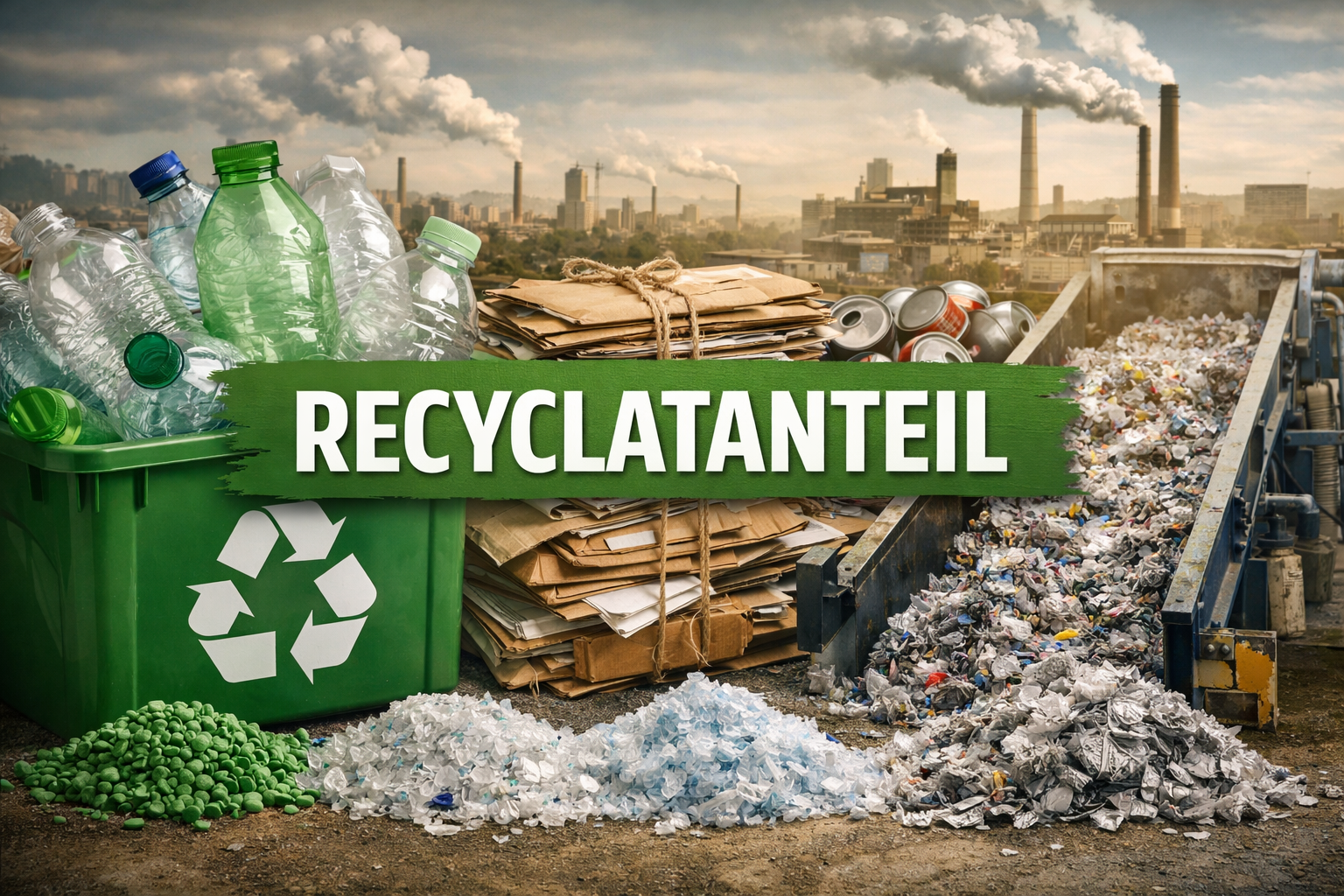
Recyclatanteil refers to the proportion of recycled materials used in a product or its packaging. This can include plastics, paper, glass, metals, and other materials.
A higher recyclatanteil means less raw material extraction and more efficient waste utilization, reducing the overall environmental footprint.
Examples of Recyclatanteil in Practice
- Plastic packaging: Many brands now incorporate 30–50% recycled plastic to cut CO₂ emissions.
- Paper products: Recycled paper can reach 100% recyclatanteil, lowering the need for virgin fiber.
- Construction materials: Some building materials use recycled concrete or glass to create sustainable structures.
Why Recyclatanteil Matters
Using recycled materials brings multiple advantages:
- Environmental protection: Reduces resource extraction, energy consumption, and greenhouse gas emissions.
- Waste reduction: Gives materials that would otherwise end up in landfills a second life.
- Circular economy support: Encourages product design for recyclability and reusability.
- Market appeal: Consumers increasingly favor products with high recyclatanteil.
According to the European Environment Agency, increasing recyclatanteil in packaging significantly lowers the ecological footprint of consumer goods.
Measuring Recyclatanteil
Recyclatanteil is typically expressed as a percentage and can be measured in different ways:
- Weight-based: The weight of recycled material relative to the total product weight.
- Volume-based: For bulk or liquid products, recyclatanteil may be calculated by volume instead of weight.
Transparency in labeling the recyclatanteil builds consumer trust and supports compliance with regulations, such as the EU Packaging Directive.
Recyclatanteil and Product Quality
A common misconception is that higher recyclatanteil lowers product quality. Modern recycling technologies, however, allow the production of high-quality materials that perform comparably to virgin materials.
- PET bottles: Recycled PET can be used for new bottles, textile fibers, or food-safe packaging.
- Aluminum: Can be recycled indefinitely without losing quality.
Investments in advanced processing ensure high recyclatanteil without compromising durability, hygiene, or functionality.
Strategies to Increase Recyclatanteil
Businesses can adopt several strategies to increase recyclatanteil:
- Material design: Designing products to maximize the use of recycled materials.
- Supply chain partnerships: Working with recyclers to secure high-quality recycled input.
- Consumer engagement: Encouraging return and recycling programs to recover materials.
- Innovative processing: Using new recycling techniques to improve the quality of recyclates.
Companies that actively increase recyclatanteil often benefit from reduced costs over time, improved brand reputation, and stronger alignment with ESG (Environmental, Social, Governance) goals.
Recyclatanteil in Everyday Life
Consumers can also play a role in promoting recyclatanteil:
- Choosing products with high recyclatanteil packaging.
- Separating waste correctly to ensure materials can be recycled effectively.
- Supporting brands that prioritize circular economy practices.
Even small actions contribute to a larger shift toward sustainable consumption and resource conservation.
Real-World Data on Recyclatanteil
Some statistics highlight the growing importance of recyclatanteil in sustainability efforts:
- European plastics recycling rates have risen to over 40% in recent years, with a growing percentage used in new products.
- Around 70% of aluminum packaging in Europe is made from recycled material.
- Paper and cardboard recycling rates in many countries exceed 80%, demonstrating high recyclatanteil potential.
These figures show that higher recyclatanteil is both achievable and impactful.
Challenges in Increasing Recyclatanteil
Despite progress, several challenges remain:
- Material contamination: Reduces the usability of recycled input.
- Supply consistency: Sufficient quantity and quality of recyclates are not always guaranteed.
- Cost considerations: Some recycled materials may be more expensive due to processing complexity.
Overcoming these challenges requires collaboration between manufacturers, recyclers, and policymakers.
The Future of Recyclatanteil
As regulations tighten and consumer demand for sustainable products rises, recyclatanteil will become an increasingly important metric. Future trends include:
- Greater transparency in labeling recyclatanteil.
- Development of 100% recycled material products.
- Incentives for companies achieving high recyclatanteil levels.
- Technological innovation making recyclates indistinguishable from virgin materials.
Conclusion
Recyclatanteil is more than a statistic—it’s a measure of commitment to sustainable production and consumption. By increasing recyclatanteil in products, companies reduce environmental impact, conserve resources, and appeal to eco-conscious consumers.
For consumers, choosing products with high recyclatanteil and supporting recycling initiatives helps drive the circular economy forward. Everyone has a role to play, and every percentage increase in recyclatanteil makes a difference.
Check the recyclatanteil of the products you buy and choose brands that prioritize recycled content for a greener future.
FAQs About Recyclatanteil
1. What does recyclatanteil mean?
Recyclatanteil refers to the proportion of recycled material used in a product or packaging, usually expressed as a percentage.
2. Why is recyclatanteil important?
It reduces environmental impact, conserves natural resources, and supports circular economy practices.
3. How can I find the recyclatanteil of a product?
Many brands indicate recyclatanteil on packaging or in product specifications. Look for labels mentioning “recycled content” or “recyclatanteil.”
4. Does a higher recyclatanteil affect product quality?
Modern recycling technologies allow high recyclatanteil without compromising quality or durability.
5. How can companies increase recyclatanteil?
By using recyclable materials, improving product design, partnering with recyclers, and investing in advanced processing techniques.