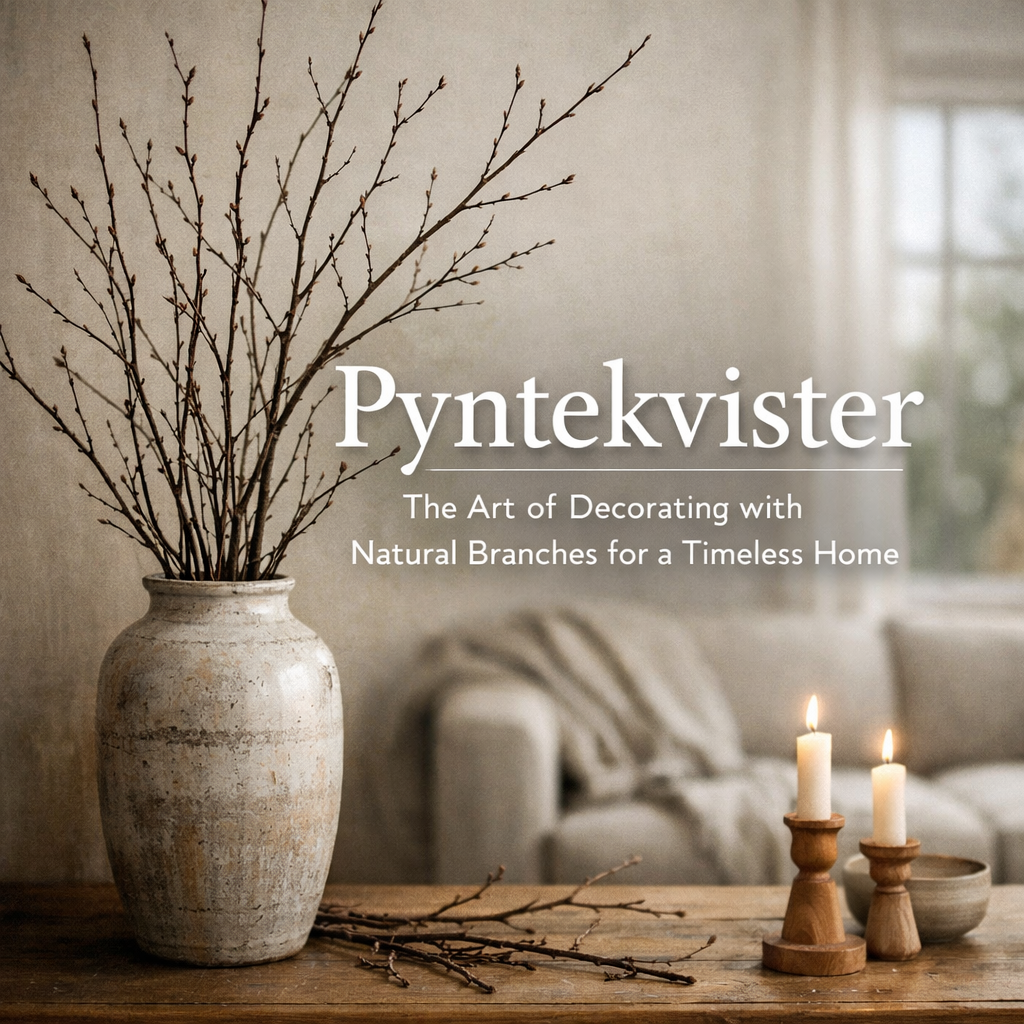
Pyntekvister: The Art of Decorating with Natural Branches for a Timeless Home
Introduction
Sometimes, the most beautiful home décor comes straight from nature. Pyntekvister—decorative branches used in interior styling—have quietly become a favorite choice for people who love simple, calm, and timeless design. They bring texture, warmth, and a natural rhythm into living spaces without feeling forced or trendy.
Whether placed in a tall vase, styled on a dining table, or used as a seasonal accent, pyntekvister offer a subtle charm that works in modern, rustic, and Scandinavian-inspired homes alike. In this guide, you’ll learn what makes pyntekvister special, how to use them effectively, and why they continue to grow in popularity among interior designers and homeowners.
What Are Pyntekvister?
Pyntekvister is a Scandinavian term that refers to decorative twigs or branches used purely for aesthetic purposes. These branches can be natural, dried, or lightly treated, and they are often displayed indoors as minimalist décor.
Unlike artificial decorations, pyntekvister highlight the natural shape, texture, and imperfections of wood. Each branch is unique, which gives your space character and authenticity. Some people choose bare branches for a clean look, while others prefer versions with buds, dried leaves, or subtle ornaments.
Why Pyntekvister Are So Popular in Modern Homes
The rise of natural home décor has made pyntekvister more relevant than ever. As people move toward sustainable living and calming interiors, decorative branches fit perfectly into this lifestyle.
Pyntekvister work well because they:
- Connect indoor spaces with nature
- Require minimal maintenance
- Adapt easily to seasonal styling
Interior design studies show that natural elements in the home can reduce stress and improve mood. Wood textures, organic shapes, and neutral tones help create balance, which explains why pyntekvister are commonly used in wellness-focused and minimalist interiors.
How to Style Pyntekvister in Your Home
Styling pyntekvister is simple, but thoughtful placement makes all the difference. The goal is to let the branches breathe and become a focal point without overwhelming the room.
Living Room Styling Ideas
In the living room, pyntekvister often work best in tall floor vases placed near windows or corners. Natural light enhances the texture of the branches, making them stand out without added decoration. If your living room has neutral tones, branches with interesting curves or subtle color variations add visual depth.
Dining Table and Shelf Décor
A few carefully chosen branches in a ceramic or glass vase can elevate a dining table instantly. On shelves, smaller pyntekvister create a balanced look when paired with books, candles, or handmade pottery. The key is restraint—less feels more intentional and elegant.
Seasonal Decorating with Pyntekvister
One of the biggest advantages of pyntekvister is their flexibility across seasons. In spring, branches with buds feel fresh and hopeful. During autumn, darker branches complement warm tones. In winter, bare twigs create a calm, Nordic atmosphere and can be subtly decorated for holidays.
Natural vs. Artificial Pyntekvister
Choosing between natural and artificial pyntekvister depends on your lifestyle and design goals. Natural branches offer authenticity and texture that artificial versions often struggle to replicate. However, they may require drying, cleaning, or occasional replacement.
Artificial pyntekvister, on the other hand, provide consistency and durability. High-quality options now look surprisingly realistic and work well in spaces where maintenance is a concern. Many homeowners mix both, using natural branches in prominent areas and artificial ones in harder-to-reach spots.
How to Prepare and Care for Natural Pyntekvister
Preparing natural pyntekvister ensures they last longer and stay visually appealing. Start by cleaning the branches gently to remove dust or insects. Let them dry completely in a cool, well-ventilated space. Some people apply a clear matte sealant to preserve color and prevent shedding, though this step is optional.
Once prepared, pyntekvister require very little care. Occasional dusting is usually enough. Keep them away from moisture and direct heat to prevent cracking or warping.
Pyntekvister in Scandinavian and Minimalist Design
Scandinavian interiors are known for simplicity, light, and functionality, which explains why pyntekvister are so commonly used in this style. The organic lines of branches soften clean architecture and bring warmth to white or neutral spaces.
Minimalist design also benefits from pyntekvister because they act as statement pieces without clutter. Instead of multiple decorative items, one carefully selected branch arrangement can define the entire room.
Sustainability and Eco-Friendly Benefits
Pyntekvister align naturally with eco-conscious living. Many people collect fallen branches rather than cutting trees, making this décor option both affordable and environmentally friendly. Reusing natural materials reduces waste and encourages mindful consumption.
For those who prefer to purchase, many local artisans and eco-friendly brands source branches responsibly, supporting sustainable practices and small businesses.
Common Mistakes to Avoid When Decorating with Pyntekvister
While pyntekvister are easy to use, a few common mistakes can reduce their impact. Overcrowding branches in a small space can feel messy rather than elegant. Using mismatched styles or overly decorative vases can also distract from the natural beauty of the branches.
Aim for balance. Let the branches complement your space instead of competing with it.
Real-Life Example: A Simple Transformation
A small apartment living room with plain white walls and minimal furniture can feel cold. By adding a tall vase with carefully chosen pyntekvister near a window, the space instantly gains warmth and character. The branches draw the eye upward, making the room feel taller and more open—all without expensive renovations or furniture changes.
This kind of transformation shows why pyntekvister are loved by designers and homeowners alike.
FAQs About Pyntekvister
What type of branches work best as pyntekvister?
Branches with interesting shapes, smooth bark, or subtle natural details work best. Birch, willow, and cherry branches are popular choices.
Can pyntekvister be used in small spaces?
Yes, smaller arrangements or single branches in slim vases are perfect for apartments and compact rooms.
How long do natural pyntekvister last?
When properly dried and cared for, natural branches can last for years without losing their charm.
Are pyntekvister suitable for modern homes?
Absolutely. Their clean, organic look blends seamlessly with modern and contemporary interiors.
Can I decorate pyntekvister for special occasions?
Yes, subtle decorations like lights or minimal ornaments can be added without overpowering their natural beauty.
Conclusion: Bring Nature Indoors with Pyntekvister
Pyntekvister prove that decoration doesn’t need to be loud or complicated to be beautiful. These natural branches add warmth, personality, and calm to any space while supporting sustainable and mindful living.
If you’re looking for an easy, affordable way to refresh your home, start with pyntekvister. Choose branches that speak to you, style them with intention, and let nature do the rest. Now is the perfect time to bring this timeless décor element into your home and experience the difference it makes.