Peptides for Weight Loss: How These Powerful Compounds May Support Fat Loss and Metabolic Health
Introduction
Losing weight can feel frustrating when diet and exercise alone don’t deliver lasting results. Many people follow clean eating plans, stay active, and still struggle with stubborn fat, slow metabolism, or constant hunger. This challenge has pushed growing interest toward advanced wellness tools, including peptides for weight loss.
Peptides are gaining attention for their potential to support fat burning, appetite control, and metabolic health. Backed by emerging research and real-world use in medical and wellness settings, peptides may offer a targeted approach to weight management. This article explores how weight loss peptides work, their benefits, safety considerations, and whether they might be right for you.
What Are Peptides?
Peptides are short chains of amino acids, the building blocks of proteins. Unlike full proteins, peptides are smaller and easier for the body to absorb and use. They act as messengers, signaling cells to perform specific functions such as releasing hormones, repairing tissue, or regulating appetite.
In the human body, peptides play a role in:
- Hormone production
- Metabolism regulation
- Muscle growth and recovery
- Fat storage and breakdown
- Immune system support
Because peptides already exist naturally in the body, many peptide therapies aim to restore balance rather than force unnatural changes.
How Peptides for Weight Loss Work
Weight loss peptides work by targeting specific biological pathways related to hunger, fat metabolism, and energy balance. Instead of simply suppressing appetite, many peptides improve how the body uses and stores energy.
Appetite Regulation
Certain peptides influence hunger hormones like ghrelin and leptin. Ghrelin signals hunger, while leptin signals fullness. When these hormones are out of balance, cravings increase and portion control becomes difficult.
Weight loss peptides may help:
- Reduce constant hunger
- Improve satiety after meals
- Decrease emotional or late-night eating
Fat Metabolism Support
Some peptides encourage the body to release stored fat and use it for energy. This process, called lipolysis, is essential for sustainable fat loss.
Benefits include:
- Increased fat breakdown
- Improved energy levels
- Reduced stubborn fat accumulation
Improved Insulin Sensitivity
Insulin resistance is a common barrier to weight loss. When cells stop responding properly to insulin, the body stores more fat and struggles to regulate blood sugar.
Certain peptides help improve insulin sensitivity, making it easier for the body to:
- Use glucose for energy
- Reduce fat storage
- Maintain stable blood sugar levels
Common Peptides Used for Weight Loss
Several peptides are commonly discussed in weight management programs. Each works differently and may suit different goals.
GLP-1-Based Peptides
GLP-1 peptides mimic a natural hormone that slows digestion and enhances fullness.
Key benefits include:
- Reduced appetite
- Slower gastric emptying
- Better blood sugar control
These peptides are often used under medical supervision and have shown promising results in clinical settings.
AOD-9604
AOD-9604 is a modified fragment of human growth hormone designed specifically for fat loss.
It may help:
- Promote fat breakdown
- Prevent new fat storage
- Support weight loss without affecting blood sugar
CJC-1295 and Ipamorelin
These peptides stimulate growth hormone release, which plays a role in fat metabolism and muscle preservation.
Potential benefits include:
- Improved fat loss
- Lean muscle support
- Enhanced recovery and sleep
Benefits of Peptides for Weight Loss
Peptides offer a more targeted approach than many traditional weight loss methods. While results vary, many users report benefits beyond the scale.
Sustainable Fat Loss
Unlike crash diets, peptides support metabolic function, making it easier to maintain weight loss long term.
Improved Energy Levels
By enhancing fat utilization and hormone balance, many people notice steady energy throughout the day.
Muscle Preservation
Weight loss often leads to muscle loss. Growth hormone–stimulating peptides may help protect lean muscle mass.
Better Metabolic Health
Peptides can support insulin sensitivity, cholesterol balance, and inflammation control, contributing to overall wellness.
Real-Life Examples and Practical Insights
Many weight management clinics report improved outcomes when peptides are combined with lifestyle changes. For example, individuals who struggled with plateaued weight loss often notice renewed progress within weeks of starting peptide therapy.
In practical use, peptides work best when paired with:
- A balanced, protein-rich diet
- Regular strength and cardiovascular exercise
- Consistent sleep patterns
- Stress management
Peptides are not magic solutions, but they can act as powerful tools when integrated into a healthy routine.
Are Peptides Safe for Weight Loss?
Safety depends on the type of peptide, dosage, and medical oversight. Many peptides are well-tolerated when prescribed by qualified professionals.
Possible Side Effects
Some people may experience mild effects such as:
- Temporary nausea
- Headaches
- Injection site irritation
These effects often resolve as the body adjusts.
Medical Supervision Matters
Peptides should not be purchased from unreliable sources or used without guidance. Proper dosing and monitoring reduce risks and improve results.
Who May Benefit Most from Weight Loss Peptides?
Peptides may be helpful for people who:
- Have insulin resistance or metabolic slowdown
- Experience constant hunger despite healthy eating
- Struggle with stubborn fat
- Want to preserve muscle while losing weight
They are not recommended for pregnant individuals or those with certain medical conditions unless approved by a healthcare provider.
How Long Does It Take to See Results?
Results vary based on individual metabolism, lifestyle, and peptide type. Many users report noticeable changes within 4 to 8 weeks, including reduced appetite and gradual fat loss.
Long-term success depends on consistency and healthy habits rather than rapid weight reduction.
Peptides vs Traditional Weight Loss Methods
Traditional methods like calorie restriction often focus on willpower alone. Peptides work at a biological level, supporting the body’s natural systems.
Traditional approaches may:
- Slow metabolism over time
- Increase hunger hormones
- Lead to weight regain
Peptides aim to:
- Support hormonal balance
- Improve fat utilization
- Encourage sustainable results
FAQs About Peptides for Weight Loss
Do peptides help you lose weight without dieting?
Peptides can reduce appetite and improve metabolism, but healthy eating is still important for best results.
Are peptides better than weight loss injections?
Some peptides are weight loss injections. Their effectiveness depends on the specific compound and individual response.
Can peptides target belly fat?
Peptides support overall fat loss. Spot reduction is not guaranteed, but many people notice reduced abdominal fat over time.
How are weight loss peptides taken?
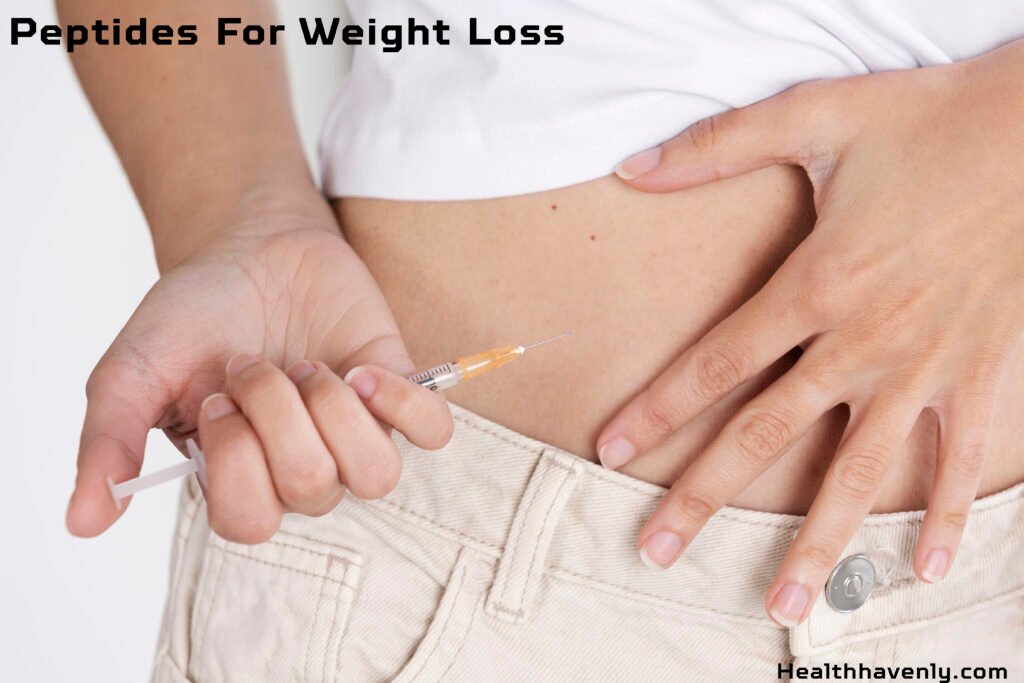
Most peptides are administered through small subcutaneous injections, often once daily or weekly.
Are peptide results permanent?
Results can last when combined with lifestyle changes. Stopping peptides without healthy habits may lead to weight regain.
Conclusion: Are Peptides the Missing Piece in Your Weight Loss Journey?
Peptides for weight loss offer a science-backed approach to managing appetite, boosting metabolism, and supporting long-term fat loss. By working with the body’s natural systems, they provide an alternative for those who feel stuck despite their best efforts.
While peptides are not a replacement for healthy habits, they can be a valuable addition to a personalized weight management plan. If you are seeking sustainable results and improved metabolic health, exploring peptide therapy with a qualified professional may be the next step toward achieving your goals.
Take control of your weight loss journey by learning more about peptides and choosing an approach that supports your body, not fights against it.