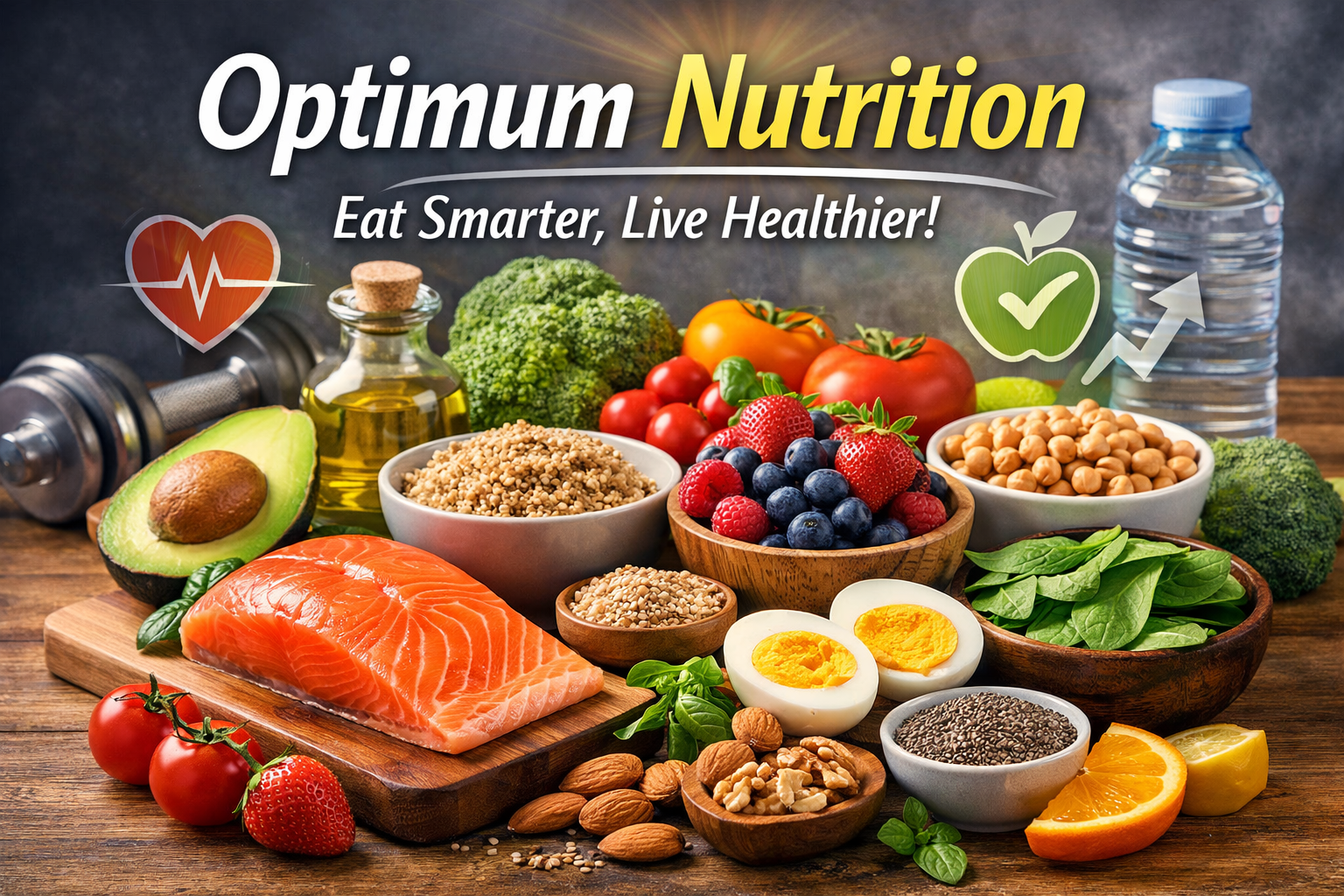
Optimum Nutrition: Your Complete Guide to Eating Smarter for a Healthier Life
Introduction
Good nutrition is powerful. It fuels your body, sharpens your mind, and supports long-term health in ways most people underestimate. Yet, in a world full of diet trends, confusing advice, and quick fixes, many struggle to understand what their body truly needs. Optimum nutrition is the answer a simple, science-based approach to nourishing yourself in a smarter, sustainable way. This guide breaks down what optimum nutrition really means, why it matters, and how you can apply it to your daily life with ease.
What Is Optimum Nutrition?
Optimum nutrition refers to consuming the right balance of nutrients your body needs to perform at its best. It goes beyond avoiding junk food or counting calories. Instead, it focuses on:
- Eating nutrient-rich whole foods
- Balancing macronutrients and micronutrients
- Supporting long-term health, energy, and performance
- Making food choices that align with your lifestyle
It’s not a strict diet or a one-size-fits-all formula. It’s a flexible, personalized approach designed to help you thrive physically and mentally.
Why Optimum Nutrition Matters
Your body is a system that depends on high-quality fuel. When you eat well, everything improves your energy, sleep, mood, and even cognitive abilities. Studies published in major nutrition journals show that people who follow nutrient-rich eating patterns experience:
- Lower risk of chronic disease
- Improved immunity
- Better mental focus
- More stable weight
- Higher energy throughout the day
In a fast-paced world, optimum nutrition becomes a powerful tool for staying resilient and balanced.
The Core Principles of Optimum Nutrition
1. Prioritize Whole, Minimally Processed Foods
Whole foods provide vitamins, minerals, antioxidants, and phytonutrients that your body uses for protection and repair. Examples include fresh vegetables, fruits, nuts, seeds, whole grains, and lean proteins.
Real-life example: Swapping a packaged muffin for oatmeal topped with berries provides fiber, antioxidants, and steady energy instead of a sugar crash.
2. Balance Macronutrients Wisely
To perform at its best, your body needs the right mix of:
- Carbohydrates for immediate and stored energy
- Proteins for muscle repair, immunity, and hormones
- Healthy fats for brain function and nutrient absorption
Optimum nutrition doesn’t remove any macronutrient group it balances them to support your day.
3. Prioritize Micronutrients
Micronutrients such as magnesium, vitamin D, calcium, iron, and B vitamins play vital roles. Even mild deficiencies can affect mood, focus, and energy. Diverse meals help cover your needs naturally.
4. Hydrate Strategically
The average adult needs around 2 to 3 liters of water daily, depending on climate, activity, and health factors. Hydration supports digestion, metabolism, and brain clarity.
5. Practice Consistency, Not Perfection
Optimum nutrition encourages sustainable habits over rigid rules. Eating nutritiously most of the time creates long-term benefits without stress.
How to Build a Balanced, Nutritious Diet
Include Colorful Vegetables and Fruits Daily
Different colors represent different nutrients. For example:
- Orange produce like carrots supports eye health
- Green vegetables boost immunity and healing
- Red and purple fruits help reduce inflammation
A simple rule is: fill half your plate with produce at most meals.
Choose Smart Carbohydrates
Quality matters. Opt for whole grains, quinoa, oats, beans, and starchy vegetables that release energy slowly and keep blood sugar stable.
Add Lean and Plant-Based Proteins
Good protein options support muscle, metabolism, and satiety. Choose:
- Eggs, yogurt, chicken, fish
- Beans, lentils, chickpeas
- Tofu, tempeh
- Nuts and seeds
Athletes or highly active individuals may need additional protein to support recovery.
Embrace Healthy Fats
Healthy fats protect your heart and brain. Sources include:
- Avocados
- Olive oil
- Fatty fish like salmon
- Almonds, walnuts, chia seeds
These fats help stabilize hunger and support long-term brain health.
Use Portion Awareness Instead of Restrictions
Rather than eliminating foods, focus on controlling portions. A practical method is using your hand:
- Palm = ideal protein portion
- Cupped hand = carbohydrate serving
- Thumb = healthy fat serving
This simple guideline keeps meals balanced without measuring or weighing food.
Optimum Nutrition for Different Lifestyles
For Busy Professionals
If your schedule is tight, focus on convenience without sacrificing nutrition:
- Prep meals in batches
- Keep healthy snacks like apples, yogurt, or nuts nearby
- Choose balanced takeout options like protein bowls or grilled meats with vegetables
Real-life example: Preparing overnight oats the night before saves time and ensures a nutrient-rich breakfast even on busy mornings.
For Students
Long study hours require mental fuel:
- Add brain-friendly foods like blueberries, walnuts, and salmon
- Avoid sugary energy drinks they cause crashes
- Stay hydrated to maintain focus
For Athletes
Athletes need optimized nutrients to support performance:
- Increase protein for muscle repair
- Add complex carbohydrates before workouts
- Replenish electrolytes after intense training
Research from sports nutrition experts shows nutrient timing enhances recovery and reduces fatigue.
For Weight Management
Optimum nutrition supports weight goals without extreme dieting:
- Eat balanced meals that keep you full
- Avoid skipping meals, which slows metabolism
- Focus on whole foods instead of calorie counting alone
This approach leads to sustainable results instead of short-term fluctuations.
Common Mistakes That Prevent Optimum Nutrition
Many people try to eat healthier but unknowingly sabotage their progress. Some frequent mistakes include:
- Eating too few nutrients due to restrictive diets
- Consuming hidden sugars in sauces, packaged foods, or drinks
- Relying on fast food or convenience snacks
- Not drinking enough water
- Ignoring portion sizes
Awareness helps you make better choices.
How to Start Improving Your Nutrition Today
You don’t need drastic changes. Small, consistent steps create lasting impact. Try:
- Replacing sugary drinks with water
- Eating one more serving of vegetables daily
- Switching from fried foods to baked or grilled options
- Preparing home-cooked meals more often
These simple habits compound into measurable improvements in health, energy, and mood.
Is Supplementation Necessary?
While food should always come first, supplements can help fill nutritional gaps. People often benefit from:
- Vitamin D
- Omega-3 fatty acids
- Magnesium
- Multivitamins
- Protein powder for fitness goals
Always consult a healthcare provider before beginning supplements, especially if you have medical conditions or take medication.
The Long-Term Benefits of Optimum Nutrition
Consistently nourishing your body results in powerful improvements:
- Stronger immunity
- Higher energy levels
- Sharper mental clarity
- Reduced inflammation
- Healthier digestion
- More stable weight
- Better sleep
- Lower risk of heart disease and diabetes
Optimum nutrition is not just about looking good it strengthens every system of your body.
Conclusion
Optimum nutrition gives you more energy, clearer thinking, and better long-term health. It isn’t complicated or restrictive. It’s about making smart choices, listening to your body, and building habits that support your lifestyle. Start small, stay consistent, and enjoy the process. Your future health will thank you.
Ready to begin your journey? Start today by making one simple, nutritious change to your next meal. Small steps lead to big results.
FAQs
What does optimum nutrition really mean?
It means eating a balanced mix of whole foods that provide the nutrients your body needs to function at its best.
Is optimum nutrition better than dieting?
Yes. Unlike restrictive diets, optimum nutrition focuses on long-term habits that are healthy and sustainable.
Can I practice optimum nutrition on a budget?
Absolutely. Simple foods like oats, beans, eggs, seasonal vegetables, and frozen fruits are affordable and nutrient-rich.
How long does it take to feel the benefits?
Many people notice more energy and better digestion within a week. Long-term benefits build over months of consistent habits.
Do I need supplements for optimum nutrition?
Not always. Whole foods should come first, but supplements can help fill gaps when needed.