
Nativität Explained: Meaning, History, Spiritual Significance, and Modern Relevance
Introduction
Few words carry as much emotional and spiritual weight as Nativität. At first glance, it simply means “birth.” Yet behind this single term lies centuries of tradition, theology, art, and cultural identity. Whether you encounter Nativität in a church setting, a history book, or during the Christmas season, it represents far more than a date on a calendar. It symbolizes origin, hope, and renewal.
In this article, you will discover the meaning of Nativität, its historical background, its religious significance, and how it continues to shape culture today. By the end, you will understand why this concept remains deeply relevant in both spiritual and social contexts.
What Does Nativität Mean?
The word “Nativität” comes from the Latin term nativitas, meaning birth or origin. In German and several European traditions, Nativität is most commonly associated with the birth of Jesus Christ, known globally as the Nativity.
In religious language, Nativität refers specifically to the sacred birth of Christ, commemorated annually at Christmas. In broader usage, it can also describe the birth of any significant spiritual or historical figure.
While modern usage often centers around holiday celebrations, the deeper meaning connects to themes of:
- New beginnings
- Divine intervention
- Humility and simplicity
- The fulfillment of prophecy
Understanding Nativität requires exploring both its theological and cultural dimensions.
The Historical Roots of Nativität
The Christian celebration of the Nativity traces back to the early centuries of the Church. Although the exact birth date of Jesus remains historically debated, December 25 became widely recognized by the 4th century.
The Gospels of Gospel of Matthew and Gospel of Luke provide the primary biblical accounts of the Nativity. These texts describe Mary and Joseph traveling to Bethlehem, the birth in a humble stable, the visit of shepherds, and the arrival of the Magi.
Historically, early Christians did not initially celebrate birthdays. Instead, the focus was on resurrection and martyrdom. Over time, however, the birth of Christ gained theological importance as believers reflected on the idea of God entering human history.
By the Middle Ages, Nativity scenes, liturgical plays, and hymns had become central elements of Christian culture. The tradition of the Nativity crib is often linked to Francis of Assisi, who is said to have created one of the first live Nativity displays in the 13th century.
The Spiritual Meaning of Nativität
At its core, Nativität is not merely about birth but incarnation. In Christian theology, it marks the moment when divine and human nature meet in the person of Jesus.
This concept carries profound implications:
1. God in Human Form
The Nativity represents the belief that God chose to enter the world not as a king in a palace but as a child born in modest conditions. This image challenges assumptions about power and greatness.
2. Hope in Darkness
The birth narrative unfolds during a time of political oppression under the Roman Empire. In this context, Nativität becomes a symbol of hope emerging in difficult circumstances.
3. Universal Accessibility
The presence of shepherds in the biblical story emphasizes that the message of salvation was first shared with ordinary people. This reinforces the theme of equality and inclusion.
For believers, Nativität is not only a historical event but a spiritual reality renewed each year.
Nativität in Art and Culture
Few themes have influenced Western art as strongly as the Nativity. From Renaissance paintings to modern films, artists continue to reinterpret this sacred moment.
Painters such as Leonardo da Vinci and Sandro Botticelli created iconic depictions of the birth of Christ. Their works highlight light, symbolism, and emotional expression.
In music, compositions like “Messiah” by George Frideric Handel celebrate the Nativity story through powerful choral arrangements.
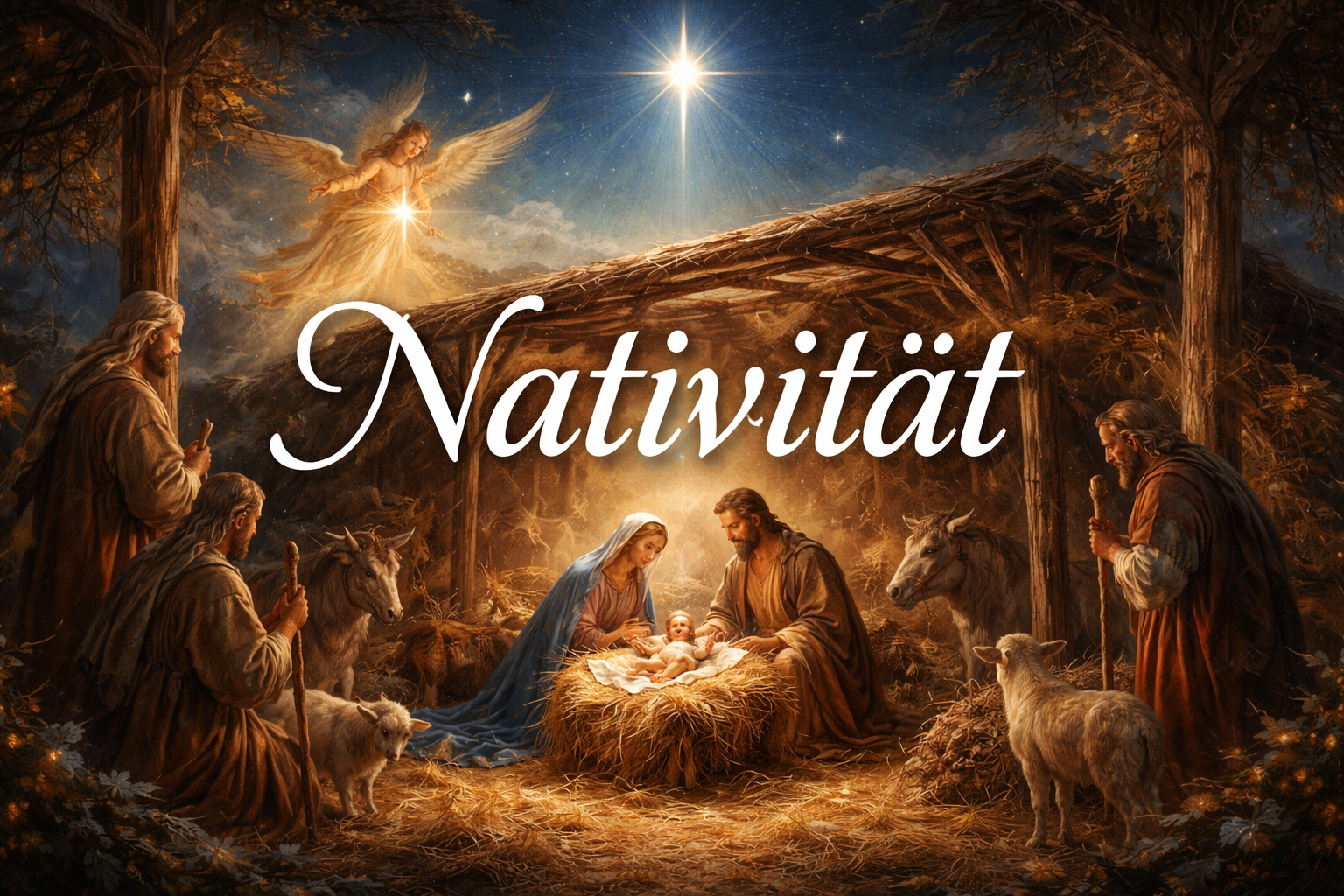
Nativity scenes, known as crèches, remain common in churches and homes. These displays typically include:
- Mary and Joseph
- The infant Jesus
- Shepherds
- Angels
- The Three Wise Men
Even in secular societies, Nativity imagery continues to influence holiday decorations, greeting cards, and public celebrations.
Nativität and Christmas: Are They the Same?
Many people use the terms interchangeably, but there is a subtle distinction.
Christmas refers to the broader celebration on December 25. It includes cultural traditions such as gift-giving, family gatherings, and festive meals.
Nativität specifically refers to the birth event itself.
In other words:
Christmas is the celebration.
Nativität is the central story behind it.
Understanding this difference deepens appreciation for the spiritual meaning behind holiday customs.
Theological Perspectives on Nativität
Different Christian denominations interpret the Nativity with varying emphasis.
The Roman Catholic Church places strong liturgical focus on the mystery of the Incarnation during Christmas Mass.
The Eastern Orthodox Church emphasizes divine light and the cosmic significance of Christ’s birth.
Protestant traditions often highlight biblical readings and congregational worship centered on the Nativity narrative.
Despite theological differences, all share the central conviction that the birth of Christ represents a turning point in human history.
Nativität Beyond Religion
Although rooted in Christianity, the concept of Nativität also carries broader symbolic meaning.
In psychology and personal development, birth imagery represents transformation and new beginnings. Many motivational speakers use the metaphor of “rebirth” to describe life changes.
In literature and philosophy, origin stories define identity. Understanding where something begins helps explain its direction and purpose.
Even outside strictly religious contexts, Nativität symbolizes:
- Renewal after hardship
- The emergence of possibility
- The power of humility
This universality explains why the Nativity theme resonates across cultures.
Real-Life Impact and Modern Relevance
According to global surveys, over 2 billion Christians celebrate Christmas annually. For many, Nativity services remain the most attended church gatherings of the year.
Beyond statistics, the Nativity story continues to inspire:
Charitable giving often increases during the Christmas season. Many people volunteer, donate, or support humanitarian efforts in honor of the spirit of compassion associated with Christ’s birth.
Family traditions also center around retelling the Nativity story. These rituals strengthen intergenerational bonds and cultural identity.
In modern society, where speed and materialism dominate, Nativität offers a countercultural message: greatness begins in humility.
Common Misunderstandings About Nativität
Several myths surround the Nativity story.
One common assumption is that all details in traditional Nativity scenes come directly from the Bible. In reality, some elements, such as the exact number of Wise Men, are not explicitly stated in scripture.
Another misunderstanding is that December 25 was historically verified as the actual birth date. Scholars widely acknowledge that the date was selected for theological and cultural reasons rather than precise historical evidence.
Clarifying these points does not weaken the story. Instead, it encourages deeper engagement with its meaning rather than its surface details.
Why Nativität Still Matters Today
In a world marked by division, uncertainty, and rapid change, Nativität offers enduring lessons:
It teaches humility over pride.
It emphasizes compassion over power.
It highlights hope over fear.
Whether viewed through a lens of faith, history, or symbolism, the birth narrative continues to speak to modern concerns.
For many people, reflecting on Nativität encourages intentional living. It invites questions such as:
What new beginning do I need?
Where can I bring hope into my community?
How can humility guide my decisions?
These reflections transform a historical event into a personal journey.
Conclusion: Rediscover the Meaning of Nativität
Nativität is more than a word tied to Christmas decorations. It represents origin, hope, and transformation. Rooted in ancient texts and traditions, it has shaped theology, art, music, and culture for centuries.
By understanding its historical background and spiritual depth, you can approach the season—and the concept itself—with renewed clarity. Whether you are exploring faith, studying history, or seeking inspiration, Nativität offers a timeless reminder that profound change often begins in the most humble circumstances.
Take time this season to reflect on what Nativität means in your own life. Let it inspire renewal, generosity, and hope in the year ahead.
Frequently Asked Questions (FAQs)
What does Nativität mean in English?
Nativität translates to “Nativity,” meaning birth, especially the birth of Jesus Christ.
Is Nativität only a Christian concept?
Primarily yes, as it refers to Christ’s birth. However, the broader idea of origin or beginning can be applied more generally.
Why is the Nativity celebrated on December 25?
December 25 was established in the 4th century as the official celebration date. The choice was influenced by theological symbolism and existing Roman festivals.
Who first created Nativity scenes?
The tradition is commonly linked to Francis of Assisi in the 13th century.
What is the difference between Nativity and Christmas?
Nativity refers specifically to the birth event of Jesus. Christmas is the broader celebration that commemorates it.




One thought on “Nativität Explained: Meaning, History, Spiritual Significance, and Modern Relevance”