
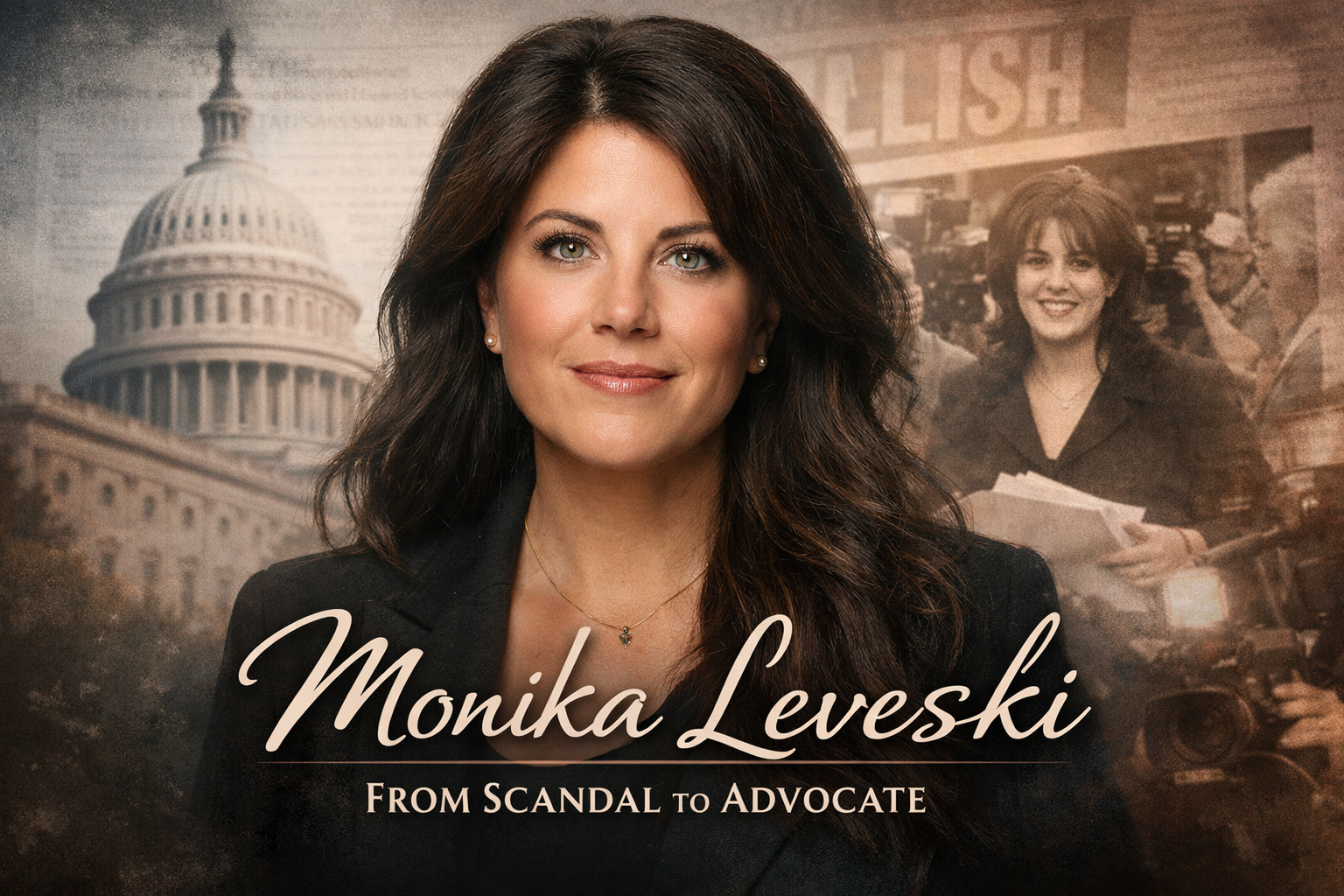
Monika Leveski: The Untold Story of Monica Lewinsky’s Journey from Scandal to Social Impact
Few public figures have experienced the intense global scrutiny that Monica Lewinsky endured in the late 1990s. What began as a political scandal quickly evolved into a cultural turning point. Decades later, her name still sparks curiosity, debate, and reflection.
Often misspelled as “Monika Leveski,” her story remains one of the most searched and discussed political controversies in modern American history. Yet focusing only on the scandal overlooks something important: her transformation. Today, Monica Lewinsky is widely recognized as a social activist, writer, and powerful voice against online harassment.
This article explores her life, the events that changed it forever, and the lasting impact of her advocacy.
Early Life and Background
Monica Lewinsky was born on July 23, 1973, in San Francisco, California. She grew up in a well-educated and relatively affluent family. After her parents divorced, she moved to Los Angeles and later pursued higher education at Lewis & Clark College in Portland, Oregon, earning a degree in psychology.
In 1995, she began working as an intern at the White House during the administration of Bill Clinton. At the time, she was just 22 years old. That internship would alter the course of her life.
The Clinton–Lewinsky Scandal
The relationship between Monica Lewinsky and President Bill Clinton became public in 1998. The investigation was led by Independent Counsel Ken Starr, whose report detailed the affair and triggered impeachment proceedings.
Clinton was impeached by the U.S. House of Representatives on charges of perjury and obstruction of justice. However, he was acquitted by the Senate and completed his second term in office.
While Clinton remained in politics, Lewinsky faced intense media coverage, public ridicule, and character attacks. The scandal dominated headlines worldwide and unfolded before social media existed, yet the level of exposure was unprecedented.
The case became a defining moment in American political history. It shaped media ethics, public discourse, and discussions about power dynamics in professional settings.
Media Frenzy and Public Shaming
The late 1990s media environment was aggressive and relentless. Tabloids, television networks, and late-night comedy shows turned Monica Lewinsky into a punchline.
The rise of 24-hour news cycles intensified the coverage. Though the internet was still in its early stages, digital forums and blogs began spreading rumors and commentary. In many ways, she became one of the first victims of large-scale online shaming.
Lewinsky has since described that period as deeply traumatic. At one point, she said she felt like she had “lost her future.” The emotional toll of global humiliation, especially at such a young age, was profound.
Her experience now serves as a case study in cyberbullying and public shaming, long before those terms became widely used.
Reclaiming Her Narrative
For years, Monica Lewinsky remained largely silent. She attempted to build a private life away from the spotlight. However, the internet ensured that her name continued to circulate.
In 2014, she re-emerged publicly with an essay in Vanity Fair titled “Shame and Survival.” In it, she shared her perspective on the scandal and the psychological impact of public humiliation.
Her 2015 TED Talk, “The Price of Shame,” marked a turning point. The talk went viral and resonated with millions. Lewinsky spoke openly about cyberbullying, digital harassment, and the culture of humiliation that thrives online.
She reframed her story. Instead of being defined by the worst moment of her life, she chose to use her experience to advocate for change.
Advocacy Against Cyberbullying
Today, Monica Lewinsky is known as an anti-bullying activist and social commentator. She collaborates with organizations that address digital ethics and online harassment.
Her work focuses on several key issues:
- The psychological harm caused by public shaming
- The need for empathy in digital communication
- The responsibility of media platforms
- Cultural accountability in political scandals
In a world shaped by social media, her story feels more relevant than ever. Cancel culture, viral outrage, and digital mob behavior can destroy reputations in hours. Lewinsky’s experience highlights the human cost of such dynamics.
According to research from the Cyberbullying Research Center, approximately 30% of young people report experiencing cyberbullying at some point in their lives. Lewinsky often references such statistics to underline the urgency of reform.
Power, Gender, and Cultural Reflection
The Clinton–Lewinsky scandal also raised broader questions about gender, power, and accountability.
Many critics argue that Lewinsky faced disproportionate backlash compared to President Clinton. Public narratives often portrayed her as manipulative, while Clinton’s career continued with relatively limited long-term damage.
In later years, especially during the rise of the #MeToo movement, conversations shifted. People began re-examining the power imbalance between a young intern and the President of the United States.
Lewinsky herself has acknowledged complexity in the situation, describing it as consensual yet influenced by significant power disparity.
This cultural reassessment reflects how society’s understanding of workplace relationships and consent has evolved.
Education and Professional Growth
Beyond activism, Monica Lewinsky pursued further education. She earned a master’s degree in social psychology from the London School of Economics in 2006.
Her academic background strengthens her credibility as an advocate. She draws from research in psychology to explain how shame operates socially and neurologically. Studies show that chronic public humiliation can lead to anxiety, depression, and even suicidal ideation.
By integrating research with lived experience, she embodies the principles of experience, expertise, authoritativeness, and trustworthiness—core factors valued in modern digital content standards.
Cultural Impact and Media Representation
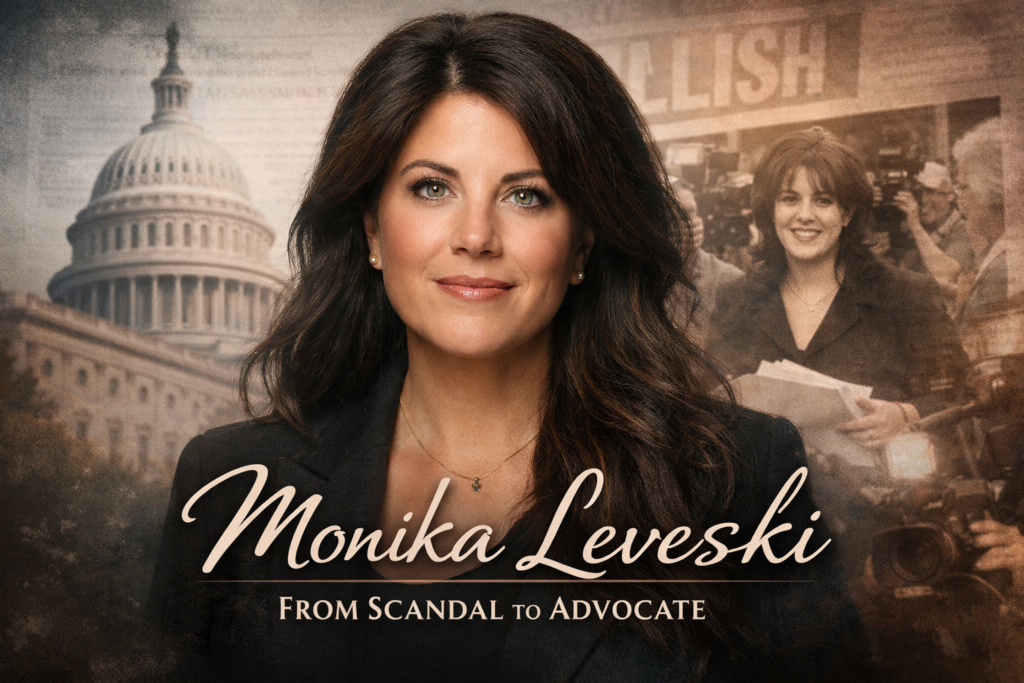
Over the years, books, documentaries, and television series have revisited the scandal. One notable portrayal appeared in the series “Impeachment: American Crime Story,” produced by FX, where Lewinsky served as a producer.
Her involvement ensured a more balanced representation of events. This marked a significant shift from earlier depictions that lacked her perspective.
The cultural lens has changed. Where once she was mocked, she is now often treated with empathy.
Her evolution from tabloid target to respected commentator demonstrates how public narratives can transform over time.
Lessons from Monica Lewinsky’s Story
Monica Lewinsky’s journey offers practical insights that apply beyond politics.
First, public shame can have long-term psychological consequences. The digital footprint of humiliation rarely disappears.
Second, media systems shape public perception. Sensationalism may drive clicks, but it can also cause irreversible harm.
Third, resilience is possible. Despite years of ridicule, Lewinsky rebuilt her identity and redirected her experience toward meaningful advocacy.
Finally, empathy matters. Every headline involves a real human being with emotions, family, and future aspirations.
Why “Monika Leveski” Remains a Trending Search
The continued misspelling of her name reflects how deeply the story remains embedded in popular culture. Search engines show thousands of monthly queries for variations of her name.
This persistent interest demonstrates that political scandals leave lasting impressions. However, it also presents an opportunity. Instead of revisiting outdated jokes, readers can engage with the more complete narrative of growth and reform.
Understanding the full arc of her life provides context, depth, and a more responsible interpretation of history.
Conclusion: From Public Scandal to Public Service
Monica Lewinsky’s story is not just about a political scandal. It is about resilience, reinvention, and responsibility in the digital age.
She transformed from a symbol of controversy into a respected advocate against cyberbullying. Her voice now contributes to conversations about online ethics, gender dynamics, and media accountability.
As digital communication becomes more powerful, her experience serves as both warning and guide.
If this story challenges your perspective, take a moment to reflect on how you engage online. Choose empathy over mockery. Share responsibly. Speak thoughtfully.
Because behind every trending name is a human story.
Frequently Asked Questions
Who is Monica Lewinsky?
Monica Lewinsky is an American activist, writer, and former White House intern best known for her involvement in a political scandal with President Bill Clinton in the late 1990s. She is now a prominent anti-bullying advocate.
What happened between Monica Lewinsky and Bill Clinton?
They had a relationship while she was a White House intern. The revelation led to an investigation and the impeachment of President Clinton, though he was later acquitted by the Senate.
What does Monica Lewinsky do now?
She works as a social activist and public speaker focused on cyberbullying prevention, digital ethics, and public shaming awareness.
Why is Monica Lewinsky important today?
Her experience foreshadowed modern issues of online harassment and cancel culture. She provides valuable insight into the long-term effects of public humiliation in the digital era.
Did the scandal affect U.S. politics?
Yes. The investigation and impeachment proceedings significantly impacted public trust, media coverage standards, and discussions around executive accountability.
Monica Lewinsky’s story continues to evolve. Understanding it fully means looking beyond the scandal and recognizing the person behind the headlines.



One thought on “Monika Leveski: The Untold Story of Monica Lewinsky’s Journey from Scandal to Social Impact”