
Men’s Mental Health Month: Why Awareness, Action, and Support Matter More Than Ever
Introduction
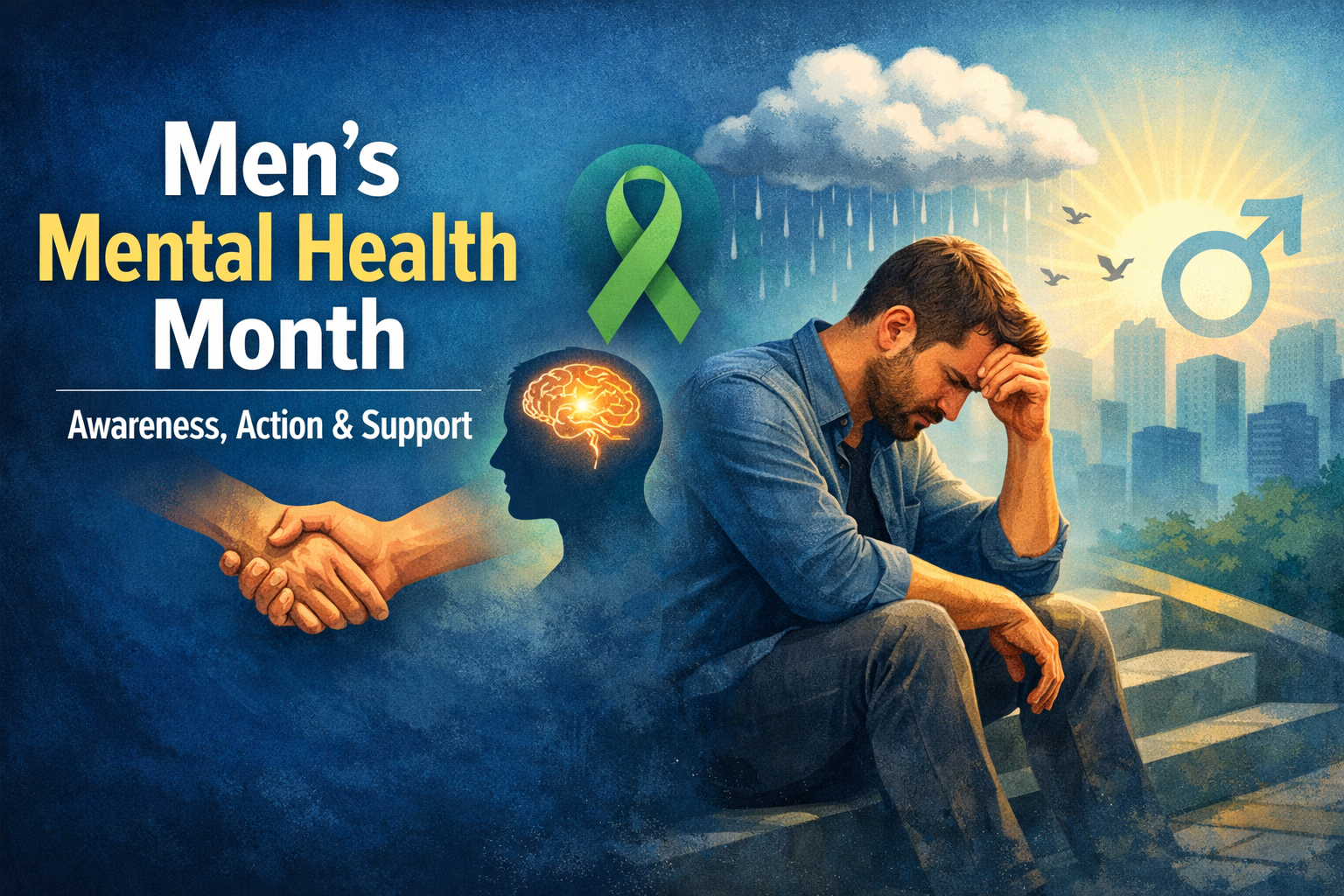
Men are often taught to be strong, silent, and self-reliant. While these traits can be positive, they also create a dangerous gap when it comes to mental health. Men’s Mental Health Month shines a much-needed light on the emotional struggles many men face but rarely talk about. It is a reminder that mental health is just as important as physical health—and that asking for help is not a weakness, but a strength.
Every June, this awareness month encourages open conversations, early intervention, and better support systems. It also challenges outdated ideas about masculinity that prevent men from seeking the care they deserve.
What Is Men’s Mental Health Month?
Men’s Mental Health Month is observed annually to raise awareness about mental health challenges that disproportionately affect men. Its core goal is to reduce stigma, promote education, and encourage men to seek help without shame.
While mental health issues affect all genders, men are statistically less likely to talk about emotional pain or access professional support. This month exists to change that narrative by focusing on prevention, understanding, and action.
Why Men’s Mental Health Deserves Special Attention
Mental health conditions do not discriminate, but social expectations often do. From an early age, many boys are taught to suppress emotions like fear, sadness, or vulnerability. Over time, this emotional suppression can turn into serious mental health issues.
Some key reasons men’s mental health needs focused attention include:
- Men are less likely to seek therapy or counseling
- Men often express mental distress through anger or withdrawal
- Social pressure discourages emotional openness
- Warning signs are frequently overlooked
This combination makes mental health issues harder to detect and treat in men.
Key Mental Health Challenges Men Face
Depression in Men
Depression in men often looks different than it does in women. Instead of sadness, men may experience irritability, exhaustion, loss of motivation, or risky behavior. Many men do not recognize these symptoms as depression, which delays diagnosis and treatment.
Anxiety and Chronic Stress
Work pressure, financial responsibility, and family expectations can create constant stress. Untreated anxiety may show up as restlessness, sleep problems, muscle tension, or difficulty concentrating.
Suicide Risk Among Men
One of the most alarming facts is that men account for a majority of suicide deaths worldwide. This is not because men experience more mental illness, but because they are less likely to seek help and more likely to use lethal methods.
This reality makes awareness, early support, and honest conversations critically important.
Substance Use and Addiction
Some men turn to alcohol or drugs to cope with emotional pain. Substance use can mask mental health symptoms while making them worse over time, leading to addiction and long-term harm.
The Impact of Stigma on Men’s Mental Health
Stigma remains one of the biggest barriers to mental health care for men. Phrases like “man up” or “boys don’t cry” send the message that emotions should be hidden. This mindset can prevent men from acknowledging their struggles, even to themselves.
Stigma can lead to:
- Delayed treatment
- Isolation and loneliness
- Worsening symptoms
- Increased risk of crisis
Breaking this stigma starts with normalizing mental health conversations at home, at work, and in communities.
Real-Life Examples: When Silence Becomes Costly
Consider a middle-aged professional juggling long work hours and family responsibilities. On the outside, he appears successful. On the inside, he feels exhausted, anxious, and disconnected. Because he believes he must handle everything alone, he avoids talking about his feelings. Over time, stress turns into depression, affecting his health, relationships, and job performance.
This scenario is common—and preventable. Early support, honest conversations, and access to care could change outcomes for millions of men like him.
How Men Can Protect and Improve Their Mental Health
Men’s Mental Health Month is not only about awareness; it is about action. Small, consistent steps can make a powerful difference.
Practical Steps Men Can Take
- Talk openly with a trusted friend or family member
- Schedule regular mental health check-ins with yourself
- Seek professional help when stress feels unmanageable
- Limit alcohol and substance use
- Prioritize sleep, exercise, and balanced nutrition
- Practice stress-management techniques like breathing or journaling
These steps are not signs of weakness. They are tools for resilience.
The Role of Friends, Family, and Communities
Support systems play a vital role in men’s mental health. Often, men are more likely to open up when someone else starts the conversation.
You can support the men in your life by:
- Listening without judgment
- Encouraging professional help when needed
- Checking in regularly, not just during crises
- Challenging harmful stereotypes about masculinity
A simple “How are you really doing?” can open the door to healing.
Mental Health in the Workplace
Workplaces are a major source of stress for many men. Long hours, job insecurity, and pressure to perform can take a serious toll. Employers who prioritize mental well-being see benefits in productivity, morale, and retention.
Positive workplace actions include:
- Offering mental health days
- Providing access to counseling resources
- Encouraging work-life balance
- Training managers to recognize warning signs
Creating a supportive work environment helps normalize mental health care for everyone.
The Importance of Early Intervention
Mental health conditions are easier to manage when addressed early. Ignoring symptoms can allow problems to grow more severe and harder to treat.
Early intervention can:
- Reduce symptom severity
- Prevent long-term complications
- Improve quality of life
- Strengthen relationships
Men’s Mental Health Month emphasizes that it is never too early—or too late—to seek help.
How Society Can Do Better
Improving men’s mental health requires collective effort. Education, policy, healthcare access, and media representation all play a role.
Meaningful change happens when:
- Mental health education starts early
- Healthcare systems offer accessible support
- Media portrays emotional openness positively
- Communities promote safe spaces for dialogue
When society supports emotional well-being, men are more likely to thrive.
Why Men’s Mental Health Month Matters All Year
While Men’s Mental Health Month takes place once a year, its message matters every day. Awareness should lead to lasting change, not temporary attention.
Ongoing conversations help normalize mental health care and encourage men to prioritize emotional well-being as part of a healthy life.
Conclusion: Turning Awareness Into Action
Men’s Mental Health Month is a powerful reminder that silence can be dangerous, but conversation can save lives. Mental health challenges do not define a man, and seeking help does not diminish strength—it reinforces it.
This month, take action. Start a conversation. Check in on the men around you. If you are struggling, reach out for support. Real strength lies in recognizing when help is needed and having the courage to ask for it.
Your mental health matters—today, this month, and always.
Frequently Asked Questions (FAQs)
What is Men’s Mental Health Month?
Men’s Mental Health Month is an annual awareness campaign focused on reducing stigma, promoting education, and encouraging men to seek mental health support.
Why is men’s mental health often overlooked?
Social expectations around masculinity discourage emotional expression, making men less likely to talk about mental health or seek professional help.
What are common signs of mental health issues in men?
Common signs include irritability, anger, withdrawal, sleep problems, substance use, risk-taking behavior, and physical complaints like headaches or fatigue.
How can men improve their mental health?
Men can improve mental health by talking openly, managing stress, maintaining healthy routines, and seeking professional support when needed.
How can I support a man struggling with mental health?
Listen without judgment, encourage help-seeking, check in regularly, and challenge harmful stereotypes about masculinity.
Is therapy effective for men?
Yes. Therapy is highly effective for men and can provide tools to manage stress, emotions, and life challenges in a healthy way.




One thought on “Men’s Mental Health Month: Why Awareness, Action, and Support Matter More Than Ever”