
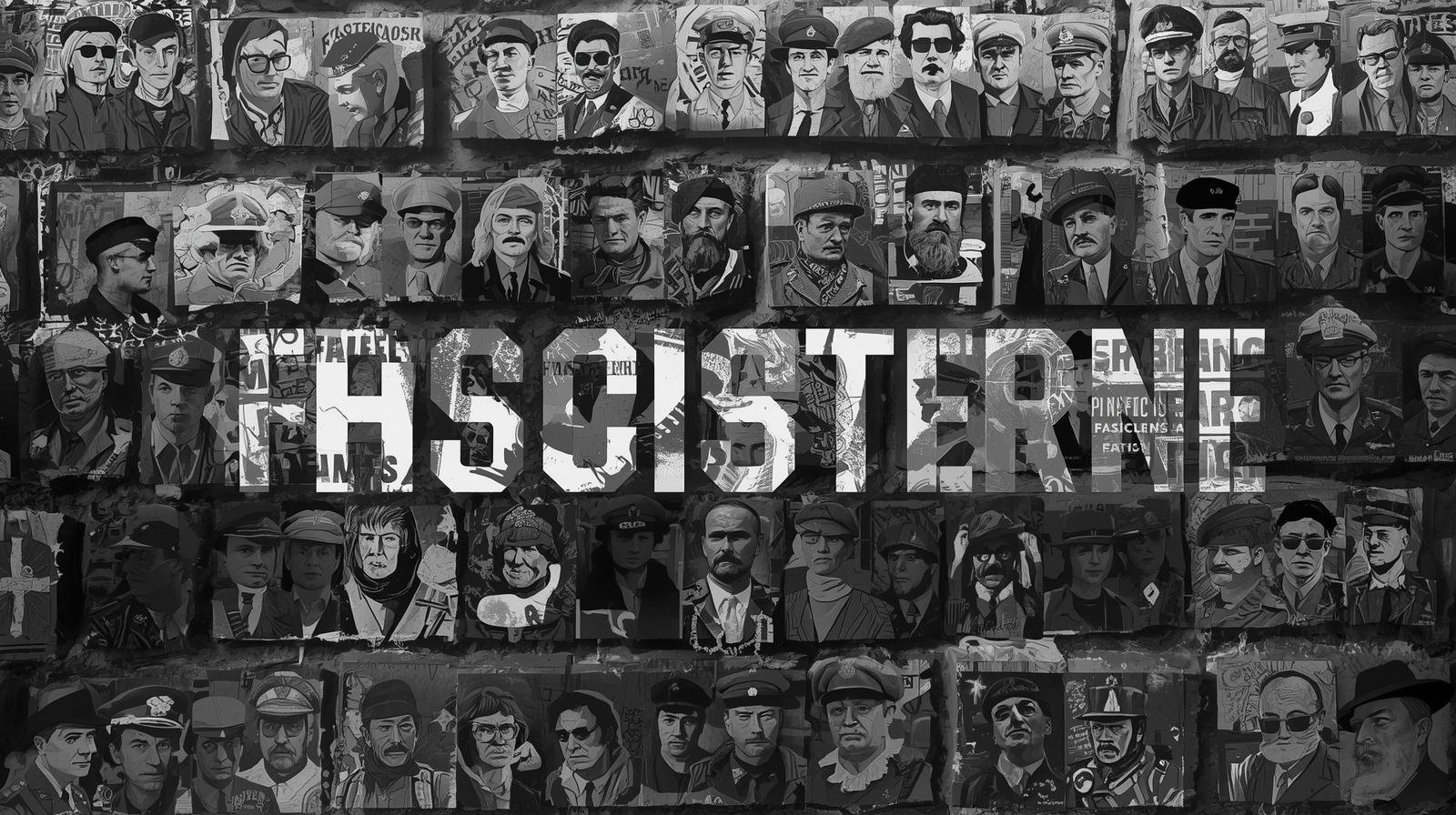
Fascisterne Explained: Origins, Meaning, and Why It Still Matters Today
The word fascisterne may sound unfamiliar to many English speakers, yet it carries deep historical weight and contemporary relevance. Whether you’ve encountered the term in academic texts, political discussions, or online debates, understanding what fascisterne refers to can clarify conversations about authoritarianism, nationalism, and democratic values. This article breaks the topic down clearly and accessibly, offering historical context, real‑world examples, practical insights, and answers to common questions.
In plain terms, fascisterne is a Danish form of the word “the fascists” a label historically applied to adherents of fascist ideologies. But its meaning stretches far beyond literal translation. To grasp why fascisterne matters, we need to explore where the term came from, what the ideology it describes truly entails, and why people still refer to it today when analyzing politics, extremism, or social movements.
What Does “Fascisterne” Mean?
At its core, fascisterne literally means “the fascists” in Danish the plural definite form of “fascist.” In English, we would understand this as referring to groups of people who advocate or support fascism. Fascism itself is a specific political ideology that emerged in early 20th century Europe, characterized by authoritarian leadership, intense nationalism, suppression of opposition, and the rejection of liberal democratic principles.
The term fascisterne is not just a linguistic curiosity. It encapsulates an entire worldview and historical movement that once reshaped nations and influenced global conflicts. To understand the term fully, we need to unpack the ideology it describes.
Origins of Fascist Ideology
Fascism first emerged in the aftermath of World War I, a period marked by economic instability, political upheaval, and widespread disillusionment. Traditional institutions seemed unable to manage crises, and many people felt alienated by established parties and democratic processes.
In this fertile ground for radical ideas, fascism took root. It combined fierce nationalism with an authoritarian rejection of democratic pluralism and class‑based politics. Unlike communism, which centered on class struggle, fascism emphasized unity under a powerful leader and the dominance of the nation above all else.
Key historical milestones in the development of fascist movements include:
- Italy under Benito Mussolini: Often regarded as the birthplace of fascism, Mussolini’s regime emphasized total loyalty to the state and cultivated a cult of personality that commanded obedience from citizens.
- Germany under Adolf Hitler: National Socialism (Nazism) was an extreme variant of fascism, infusing virulent racism, anti‑Semitism, and territorial expansionism into the core ideology.
- Other European movements: Various nationalist parties and groups throughout Europe drew from these models to form local variants of fascist thought.
These movements demonstrate that fascism was not one uniform ideology but a family of related ideas shaped by national histories and political conditions. The people these movements attracted are what Danish speakers historically refer to as fascisterne.
Defining Characteristics of Fascist Ideology
Understanding fascisterne means recognizing the traits that define fascist thought. While different movements had local differences, several core features recur:
Authoritarian Leadership:
Fascist movements elevate a single leader or elite ruling class above democratic institutions. Power is concentrated and rarely questioned.
Extreme Nationalism:
The nation is portrayed as sacred and superior, often in opposition to outside groups or internal “outsiders.” Loyalty to the nation eclipses individual rights.
Rejection of Pluralism:
Fascism dismisses political pluralism and dissent as weakness. Opposition parties, independent media, and civil society are suppressed.
Militarism and Violence:
Fascist movements glorify struggle, conflict, and military discipline, seeing them as expressions of national strength.
Propaganda and Control of Information:
State or movement propaganda is used to shape public opinion, undermine critical thinking, and amplify heroic narratives.
These elements help explain why fascisterne were not merely political opponents of democracy, but active challengers to the very institutions that define open societies.
Historical Context: Fascisterne in the 20th Century
In the 1920s and 1930s, fascist movements gained momentum in several countries, often in response to widespread instability. In Italy and Germany, fascist parties eventually seized control of state power, transforming political systems and triggering wars with catastrophic consequences.
In Denmark, the term fascisterne was applied less to a dominant political movement and more to smaller groups or individuals sympathetic to authoritarian ideals. While Denmark maintained a democratic government, there were factions—especially during the turbulence of World War II—that leaned toward fascist ideology or collaborated with occupying forces. These individuals were viewed as part of fascisterne in contemporary discussions and post‑war historical accounts.
Understanding this helps contextualize why the term carries historical weight in Danish discussions even when referring to a relatively small number of actual adherents.
Why “Fascisterne” Still Matters
Even though classic fascist governments like those in Italy and Germany ceased to exist after World War II, the term fascisterne remains relevant for several reasons:
1. Historical Memory and Education
Understanding fascisterne is key to studying European history, especially the causes and consequences of authoritarian regimes. By examining how fascist movements emerged, expanded, and ultimately collided with democratic forces, students and scholars can better understand the fragility of political systems.
2. Contemporary Political Discourse
In modern political conversations, fascisterne is sometimes invoked—accurately or polemically—to describe groups or individuals whose views resemble authoritarian tendencies. While this usage can be contested, it demonstrates how the historical legacy of fascism continues to influence how people interpret political behavior.
3. Early Warning and Democratic Resilience
Studying the dynamics of fascist thought offers insights into how democratic societies can be undermined through rhetoric, polarization, and aggressive nationalism. Recognizing early warning signs such as delegitimizing free institutions or scapegoating minorities can empower citizens and leaders to defend democratic norms.
Common Misconceptions About Fascism and Fascisterne
Because the term fascisterne is often used in charged debates, several misconceptions have emerged:
Fascism is just extreme conservatism.
Not true. While fascism can include conservative elements, its core is authoritarian and anti‑democratic, not simply traditional.
Anyone who criticizes liberal democracy is a fascist.
Criticism of democratic processes doesn’t automatically make someone a fascist. Fascism is a distinct ideology with specific characteristics, including suppression of dissent and glorification of state power.
Fascism only existed in the early 20th century.
While historic fascist states declined after World War II, fascist ideas and movements have resurfaced in varying forms in different places and periods. Definitions matter, and scholars continue to debate how best to identify these traits in modern contexts.
Real‑World Examples and Impact
To ground the concept of fascisterne, consider the following real‑world examples that show how fascist thought influenced events in the past and how related ideas manifest in the present:
- Italy under Mussolini: Fascism here reshaped Italian politics by abolishing elections, controlling the press, and promoting imperial expansion.
- Nazi Germany: The most notorious example of fascism’s destructive potential, marked by genocidal policies and global war.
- Modern movements with authoritarian leanings: Some groups today exhibit strong nationalism and disdain for liberal institutions. While not all fit strict definitions of fascism, studying the history of fascisterne helps analysts determine whether ideological parallels exist.
These examples underline how fascist traits can operate in vastly different contexts—from state systems to fringe movements highlighting why understanding fascisterne remains valuable.
How Understanding Fascisterne Benefits You
Whether you are a student, researcher, citizen, or curious reader, understanding fascisterne offers real benefits:
- Better historical awareness: You can trace how ideas shape societies and events.
- Sharper analytical skills: Recognizing ideological patterns lets you evaluate political arguments with nuance.
- Stronger democratic engagement: Awareness of authoritarian traits equips you to engage in civic life with informed judgment.
This understanding doesn’t promote fear; it promotes insight and agency.
FAQs About Fascisterne
What exactly does fascisterne mean?
Fascisterne is the Danish term for “the fascists,” referring to people or groups who support or embody fascist ideology.
Was fascism prevalent in Denmark?
Denmark did not develop a dominant fascist state, but the term fascisterne has been used historically to describe smaller groups or individuals who embraced fascist ideas, particularly around World War II.
Is using the term fascisterne inflammatory?
In some debates, yes. The term carries weight because of its association with authoritarianism and oppression. Responsible usage requires clarity about what is being described.
How is fascism different from other political systems?
Fascism differs from democracy, socialism, and liberalism in its emphasis on authoritarian leadership, suppression of dissent, extreme nationalism, and submission of the individual to the state.
Conclusion: Why Fascisterne Still Matters
The word fascisterne isn’t just a historical label. It represents a set of ideas that once reshaped nations and continues to inform how we discuss political power, authority, and freedom today. By defining what fascisterne means, exploring its historical context, and examining how its traits relate to modern politics, we gain tools to think critically about governance, ideology, and our own role in civic life.
History doesn’t repeat exactly, but it does rhyme. Understanding fascisterne helps us recognize the warning signs that threaten democracy and freedoms. If you want to dive deeper into political ideologies, democratic resilience, or how societies navigate the tug‑of‑war between freedom and authority, start hereknowledge is your strongest foundation.




One thought on “Fascisterne Explained: Origins, Meaning, and Why It Still Matters Today”