
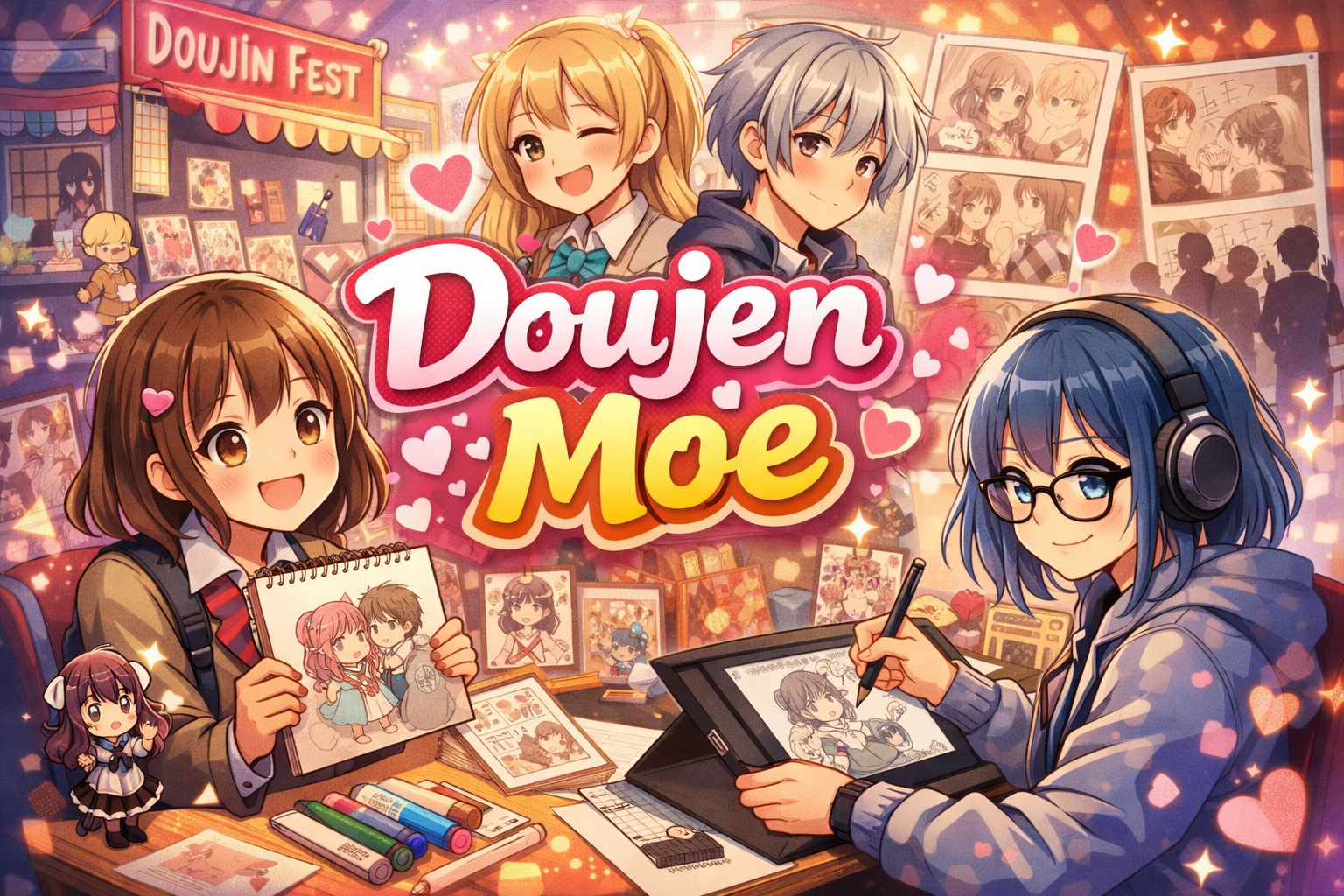
Doujen Moe: Meaning, Origins, and Why This Fan Culture Phenomenon Keeps Growing
Introduction
If you spend time in anime or manga communities, you may have come across the phrase “doujen moe.” It sounds playful, almost mysterious. Yet behind the term lies a vibrant creative culture shaped by passion, fandom, and emotional connection.
Doujen moe is more than a niche trend. It reflects how fans engage with characters, reinterpret stories, and build entire subcultures around affection and imagination. To understand its growing popularity, we need to explore its linguistic roots, cultural context, and the psychology behind why it resonates so strongly with audiences worldwide.
This guide breaks it down in clear terms, offering practical insight into how doujen moe influences fandom, creativity, and even the broader entertainment industry.
What Does Doujen Moe Mean?
The phrase blends two ideas rooted in Japanese pop culture.
“Doujen” is often associated with independent fan-created works inspired by existing series. It closely relates to the broader concept of doujin culture, where fans produce self-published manga, novels, art books, or games. A major global showcase of this culture is Comiket, one of the largest fan conventions in the world, attracting hundreds of thousands of attendees.
“Moe” refers to a strong emotional response toward fictional characters. The term describes feelings of affection, protectiveness, or admiration. Moe culture became widely recognized during the early 2000s anime boom, particularly with character-driven series such as K-On! and Lucky Star.
When combined, doujen moe represents fan-created content centered around characters that evoke strong emotional attachment. It is about reinterpretation driven by affection.
The Cultural Roots of Doujen Moe
The Rise of Doujin Culture in Japan
Japan’s fan publishing culture dates back decades. Independent creators began producing small-run comics and distributing them at local events. These works were often passion projects rather than commercial ventures.
Over time, doujin circles evolved into structured communities. Artists collaborated, printed their own books, and built reputations. Events like Comiket helped transform fan creativity into a recognized subculture.
Unlike traditional publishing, doujin culture allowed freedom. Creators could experiment with alternate storylines, romantic pairings, or character backstories without corporate constraints.
The Evolution of Moe as an Emotional Concept
Moe is difficult to translate directly into English. It is not simply “cute.” Instead, it describes a protective, heartfelt affection toward fictional characters. This emotional reaction is often tied to vulnerability, innocence, or endearing traits.
In the early 2000s, character-centric anime expanded rapidly. Series focused less on complex plotlines and more on relatable, charming personalities. Fans began forming deep emotional bonds with characters, purchasing merchandise and supporting franchises long-term.
Doujen moe emerged at the intersection of these two forces: fan creativity and emotional attachment.
Why Doujen Moe Appeals to Modern Audiences
Emotional Engagement Drives Loyalty
Research in media psychology shows that emotional attachment increases long-term engagement. When fans feel connected to a character, they are more likely to consume related content, join online communities, and support creators financially.
Doujen moe amplifies this attachment. Fans do not passively consume content; they actively reinterpret it. By creating their own stories or art, they deepen their bond with beloved characters.
Creative Freedom Without Corporate Boundaries
Mainstream studios operate under brand guidelines and commercial risk assessments. Fan creators do not. Doujen moe allows artists to explore:
- Alternative character dynamics
- Different personality traits
- Emotional scenarios not shown in the original work
This flexibility keeps fandoms alive even after official content ends.
Community and Belonging
Online platforms have expanded doujin culture beyond Japan. International artists share work digitally, connect through forums, and collaborate across borders.
Fans who might feel isolated in daily life find belonging through shared admiration of specific characters or genres. Doujen moe becomes a social connector.
How Doujen Moe Influences the Anime and Manga Industry
Doujin culture may appear separate from mainstream production, but the lines often blur.
Many professional manga artists began their careers in doujin circles. Creating fan works allowed them to refine their art style, storytelling skills, and audience engagement strategies.
Publishers also monitor fan trends. If certain characters consistently generate high fan engagement, studios may adapt future content accordingly. This feedback loop subtly shapes official narratives.
In some cases, doujin works gain enough recognition to launch independent careers. Digital marketplaces have lowered entry barriers, making global exposure easier than ever.
The Psychology Behind Moe Attachment
Understanding doujen moe requires examining the psychology of fictional attachment.
Parasocial Relationships
Fans often form one-sided emotional bonds with fictional characters. These relationships feel meaningful despite lacking real-world interaction.
Moe intensifies this effect because it centers on emotional vulnerability and relatability. Characters are designed to evoke warmth and empathy.
Escapism and Emotional Safety
Fictional worlds provide controlled environments. Unlike real-life relationships, characters do not reject or disappoint fans in unpredictable ways.
Doujen moe expands this safety. Fans can reshape narratives to fit emotional needs. This creative control strengthens psychological comfort.
Identity Exploration
Fan-created stories allow individuals to explore themes of romance, friendship, and personal growth in a low-risk environment. Through characters, creators experiment with perspectives and emotional expression.
Real-World Example: A Creator’s Journey
Consider a digital artist who loves a popular anime series. After the show ends, she begins illustrating alternate scenes featuring her favorite character in softer, everyday settings. She shares them online.
The artwork gains traction. Other fans comment, share, and commission custom pieces. Eventually, she opens a small online store.
What began as doujen moe transforms into a creative micro-business. This pathway is increasingly common in the digital age.
Ethical and Legal Considerations
Doujin culture often operates in a gray area regarding intellectual property. In Japan, many copyright holders tolerate fan works as long as they remain small-scale and do not directly compete with official products.
However, global creators should remain aware of local copyright laws. Monetizing derivative content can raise legal risks outside Japan.
Responsible creators:
- Avoid using official logos without permission
- Do not claim ownership of original characters
- Respect platform content policies
Balancing creativity with legal awareness ensures sustainability.
The Global Expansion of Doujen Moe
The internet has transformed what was once a localized cultural practice into a global phenomenon.
Platforms such as social media art communities, digital storefronts, and fanfiction archives enable international participation. Language barriers shrink as visual storytelling transcends translation needs.
Anime’s global popularity fuels this growth. As streaming services license more titles worldwide, fan engagement spreads across continents.
The result is a decentralized creative ecosystem where doujen moe thrives beyond its original geographic roots.
Practical Tips for Aspiring Doujen Moe Creators
If you want to participate, focus on authenticity and respect.
Start by deeply understanding the character you admire. Analyze their personality, motivations, and emotional core. Strong doujen moe content stays true to what makes the character compelling.
Develop your craft consistently. Whether writing or illustrating, practice is essential. Study storytelling structure, composition, and emotional pacing.
Engage with communities respectfully. Constructive feedback improves skill and builds reputation.
Most importantly, create because you genuinely care. Doujen moe succeeds when driven by affection rather than trend-chasing.
Common Misconceptions About Doujen Moe
Some people assume doujen culture is purely commercial or inappropriate. In reality, it spans a wide range of genres and tones, from wholesome slice-of-life scenarios to dramatic reinterpretations.
Another misconception is that it undermines original creators. In many cases, fan culture strengthens franchises by sustaining interest and expanding audiences.
Understanding nuance prevents oversimplification.
The Future of Doujen Moe
As artificial intelligence, digital art tools, and global distribution platforms advance, fan creation will become even more accessible.
However, authenticity will remain the key differentiator. Technology can assist, but emotional sincerity cannot be automated.
Doujen moe will likely continue evolving as new fandoms emerge and younger generations redefine emotional expression in digital spaces.
The core principle remains unchanged: affection fuels creativity.
FAQs About Doujen Moe
What is the difference between doujen and doujin?
Doujin is the more widely recognized term referring to self-published works. Doujen is often a phonetic variation. Both relate to fan-created content inspired by existing series.
Is doujen moe only about romantic themes?
No. While romance is common, doujen moe can focus on friendship, everyday life, alternate storylines, or character development.
Is doujen moe legal?
It depends on local copyright laws. In Japan, small-scale fan works are often tolerated. In other regions, creators should research intellectual property regulations carefully.
Why do fans feel so attached to fictional characters?
Psychological research points to parasocial relationships, emotional resonance, and escapism as key factors behind strong character attachment.
Can doujen moe become a professional career?
Yes. Many professional artists and writers began in fan communities. However, transitioning to original intellectual property reduces legal risk and offers greater long-term stability.
Conclusion: Why Doujen Moe Matters
Doujen moe represents the intersection of emotion and creativity. It shows how deeply stories can affect people and how fans transform admiration into art.
In a world where digital content moves fast, doujen moe slows things down. It invites reflection, reinterpretation, and personal expression.
If you are a fan moved by a character’s charm or resilience, consider channeling that emotion into creation. Write. Draw. Share responsibly.
Passion built the culture. Passion will keep it alive.


One thought on “Doujen Moe: Meaning, Origins, and Why This Fan Culture Phenomenon Keeps Growing”