Cycling and Sleep: How Riding a Bike Can Transform Your Rest and Recovery
Introduction
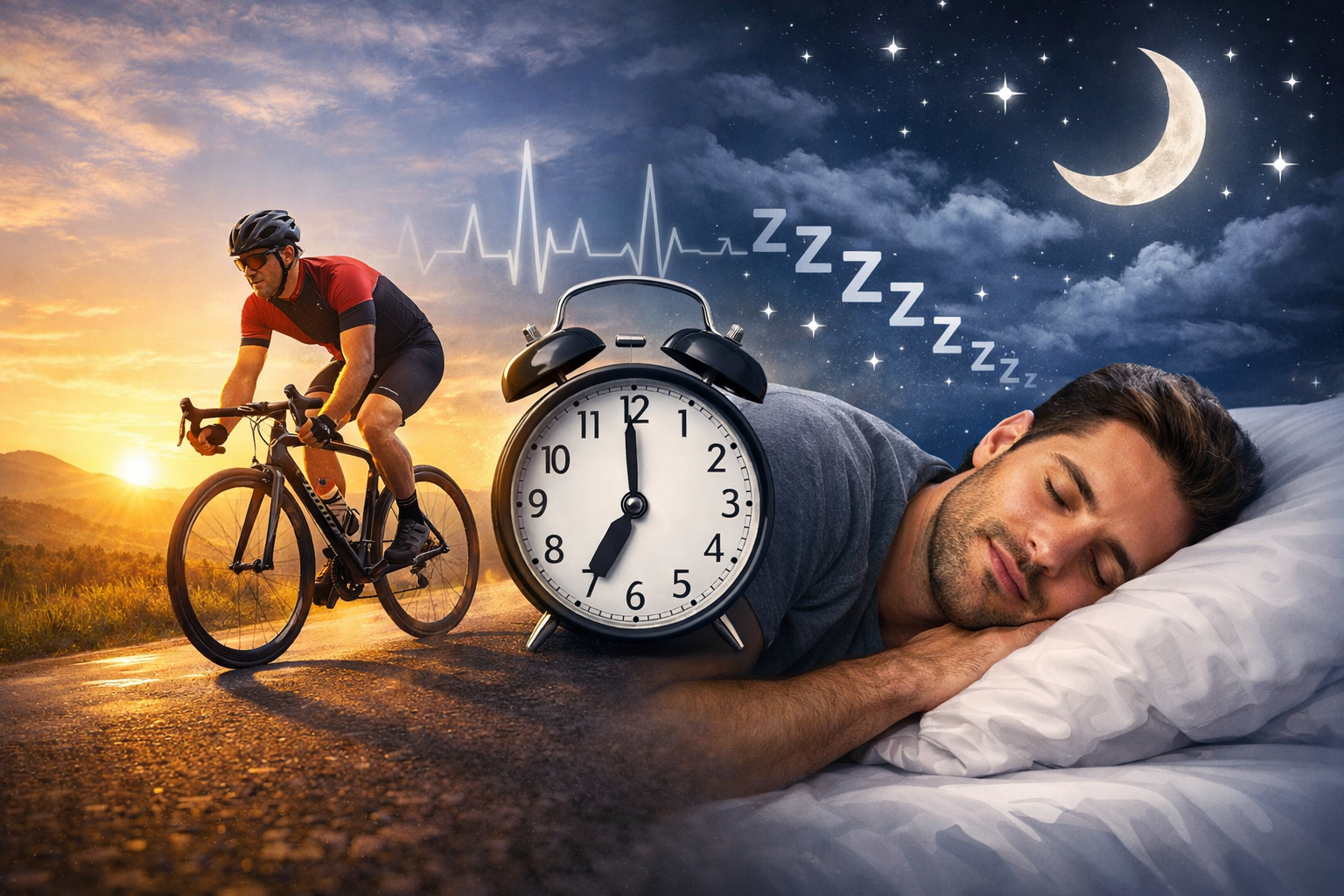
If you’ve ever finished a good bike ride and slept like a rock that night, you’re not imagining it. Cycling and sleep are deeply connected. The way you ride, when you ride, and how your body recovers all play a role in how well you sleep. For beginners, cyclists, commuters, and endurance riders alike, understanding this relationship can lead to deeper sleep, faster recovery, and better performance on and off the bike.
This guide explores how cycling impacts sleep quality, the science behind it, and practical ways to use cycling to improve your rest without burning yourself out.
How Cycling Affects Sleep Quality
Cycling is a rhythmic, low-impact aerobic exercise. It raises your heart rate, challenges your muscles, and activates your nervous system in a healthy way. These effects work together to support better sleep.
Regular cycling helps regulate your circadian rhythm, the internal clock that tells your body when to be awake and when to rest. Exposure to daylight during outdoor rides also strengthens this rhythm, making it easier to fall asleep at night and wake up refreshed.
People who cycle consistently often report:
- Falling asleep faster
- Spending more time in deep sleep
- Waking up fewer times during the night
These benefits are especially noticeable in people who were previously sedentary.
The Science Behind Cycling and Better Sleep
Physical activity increases a substance called adenosine in the brain. Adenosine builds sleep pressure, meaning the more it accumulates, the sleepier you feel at night. Cycling is particularly effective at boosting this process without excessive joint stress.
Cycling also reduces stress hormones like cortisol over time. While cortisol rises during exercise, regular training teaches your body to return to baseline faster. Lower evening stress levels are strongly linked to improved sleep quality.
Another key factor is body temperature. Cycling raises core temperature during the ride. Afterward, your body cools down, and this drop in temperature signals the brain that it’s time to sleep. This is one reason moderate exercise earlier in the day supports deeper rest.
Morning Cycling vs Evening Cycling for Sleep
Morning Cycling and Sleep
Morning rides are ideal for people who struggle with falling asleep or waking up feeling groggy. Early cycling:
- Boosts daytime alertness
- Reinforces a healthy sleep-wake cycle
- Helps you feel naturally tired by bedtime
Many commuters who bike to work report improved sleep consistency within weeks.
Evening Cycling and Sleep
Evening cycling can still support sleep, but timing and intensity matter. Light to moderate rides done at least two to three hours before bed often improve relaxation and mood.
However, intense late-night rides can overstimulate the nervous system. Hard intervals, races, or long endurance sessions close to bedtime may delay sleep onset, especially for sensitive sleepers.
A simple rule works well: if your heart rate stays elevated long after your ride, it was probably too intense for late evening.
How Intensity and Duration Impact Sleep
Not all cycling affects sleep the same way. How hard and how long you ride makes a difference.
Moderate cycling, such as a 30–60 minute steady ride, is consistently linked to better sleep quality. It improves deep sleep without overwhelming the body.
Very long or high-intensity rides can temporarily disrupt sleep, particularly if:
- You under-fuel
- You don’t hydrate properly
- You train late in the day
Endurance cyclists sometimes experience restless sleep after long rides due to muscle soreness, elevated heart rate, or low energy availability.
Balancing training load with recovery is essential if sleep quality starts to decline.
Cycling, Recovery, and Deep Sleep
Sleep is when real recovery happens. Growth hormone release peaks during deep sleep, helping repair muscles stressed during cycling. This is why poor sleep can stall progress even if training volume is high.
Cyclists who prioritize sleep often notice:
- Faster muscle recovery
- Reduced soreness
- Improved power output over time
In real life, many amateur riders plateau not because they need more training, but because they need better sleep.
A simple example: two cyclists ride the same weekly distance. One sleeps seven to eight hours consistently, the other sleeps five to six. Over months, the better-rested rider almost always shows better performance and fewer injuries.
Cycling as a Natural Sleep Aid
For people dealing with mild insomnia, anxiety, or restless nights, cycling can be a powerful non-medicated solution.
Regular riding helps by:
- Reducing mental tension
- Improving mood through endorphin release
- Creating healthy physical fatigue
Unlike high-impact workouts, cycling is gentle enough to be done frequently, even by older adults or people with joint issues.
Outdoor cycling adds an extra benefit. Natural light exposure during daytime rides improves melatonin production at night, a hormone critical for sleep.
Common Cycling Habits That Hurt Sleep
While cycling generally improves sleep, certain habits can backfire.
Poor fueling is a major issue. Riding hard without eating enough can lead to nighttime hunger, low blood sugar, or restless sleep. Cyclists trying to lose weight are especially vulnerable to this mistake.
Overtraining is another factor. Constant fatigue, elevated resting heart rate, and trouble sleeping can signal that your body needs rest, not more miles.
Late caffeine intake from energy gels, pre-workouts, or coffee before evening rides can also delay sleep without you realizing it.
Tips to Use Cycling to Sleep Better
A few small adjustments can make a big difference.
- Aim for consistent ride times to support your internal clock
- Keep intense rides earlier in the day when possible
- Eat a balanced post-ride meal with carbs and protein
- Stay hydrated but limit large fluid intake right before bed
- Include easy recovery rides instead of always pushing hard
These habits help your body associate cycling with healthy fatigue, not stress.
Cycling, Sleep, and Mental Health
Better sleep doesn’t just improve physical recovery. It also supports emotional well-being. Cycling reduces symptoms of anxiety and depression, while quality sleep strengthens emotional regulation and focus.
Together, cycling and sleep create a positive feedback loop. Better sleep improves ride quality, and better rides improve sleep. This cycle is one reason many people stick with cycling long-term it supports both body and mind.
Is Indoor Cycling Different for Sleep?
Indoor cycling can still improve sleep, especially for people with limited daylight or poor weather. However, it lacks natural light exposure, which is important for circadian rhythm health.
If you ride indoors:
- Try to cycle near a window or in a well-lit room
- Avoid intense sessions late at night
- Consider a short walk outside during the day to balance light exposure
Smart trainers and virtual rides can be effective, but sleep benefits are strongest when paired with daytime activity and routine.
FAQs About Cycling and Sleep
Does cycling help you sleep better at night?
Yes, regular cycling improves sleep quality by reducing stress, increasing deep sleep, and supporting a healthy sleep-wake cycle.
Is it bad to cycle before bed?
Light cycling a few hours before bed is usually fine. Very intense rides late at night can make it harder to fall asleep.
How long should I cycle to improve sleep?
Even 20–30 minutes of moderate cycling can help. Consistency matters more than long sessions.
Can cycling help with insomnia?
Cycling can reduce mild insomnia symptoms by improving physical fatigue, lowering anxiety, and regulating circadian rhythm.
Why do I sleep poorly after long rides?
Poor sleep after long rides is often due to under-fueling, dehydration, or nervous system overstimulation. Better recovery habits usually fix this.
Conclusion: Ride Better, Sleep Deeper
Cycling and sleep are closely linked, and when balanced correctly, they enhance each other. Regular, well-timed rides can help you fall asleep faster, sleep deeper, and wake up feeling stronger. Whether you ride for fitness, commuting, or performance, prioritizing sleep turns cycling into a long-term health tool rather than a source of fatigue.
If you want better rides and better days, start by respecting your nights. Tune your cycling routine to support recovery, listen to your body, and make sleep part of your training plan. Your legs, mind, and overall health will thank you.