Can Sleep Deprivation Cause Headaches? The Surprising Link You Need to Know
Introduction
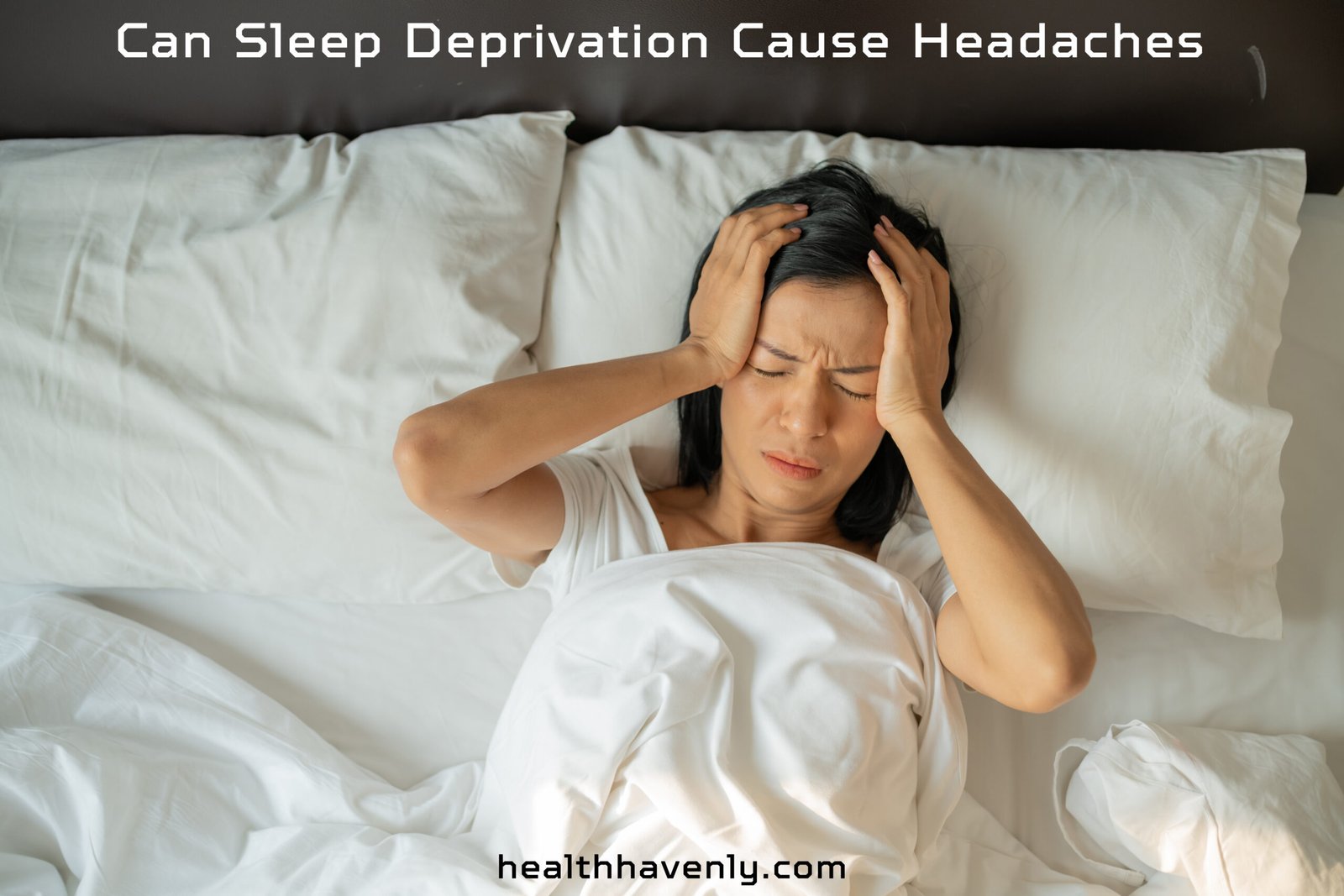
Have you ever tossed and turned all night, only to wake up with a throbbing headache that ruins your day? You’re not imagining things—there’s a strong connection between not getting enough rest and those pesky headaches. Many people experience this frustrating cycle, where poor sleep leads to discomfort that affects work, relationships, and overall well-being. In this post, we’ll dive into whether sleep deprivation can indeed cause headaches, backed by science and real-world insights. You’ll learn how to spot the signs, understand the mechanisms at play, and take steps to break the pattern. By the end, you’ll have practical strategies to prioritize better sleep and reduce headache frequency. Let’s get started on reclaiming your nights and days (Can Sleep Deprivation Cause Headaches).
What is Sleep Deprivation?
Sleep deprivation happens when you don’t get the recommended amount of sleep your body needs. Experts from the National Sleep Foundation suggest adults aim for 7 to 9 hours per night, but many fall short due to busy schedules, stress, or lifestyle choices. This isn’t just about feeling tired; chronic lack of sleep disrupts your body’s natural rhythms, leading to a cascade of health issues. For instance, if you’re pulling all-nighters for work or staying up late scrolling through social media, you’re setting yourself up for more than just yawns. Studies show that even missing a few hours can impair cognitive function and trigger physical symptoms, including headaches. Understanding this foundation helps explain why skipping sleep isn’t a harmless habit—it’s a risk factor for various ailments (Can Sleep Deprivation Cause Headaches).
How Does Sleep Deprivation Cause Headaches?
The link between sleep deprivation and headaches stems from how sleep affects your brain and body. During deep sleep stages, your brain repairs itself and regulates hormones that control pain and inflammation. When you skimp on rest, these processes get disrupted. Research from the American Academy of Neurology indicates that insufficient sleep can lower your pain threshold, making you more sensitive to headaches. Additionally, poor sleep alters neurotransmitter levels, such as serotonin and dopamine, which play roles in mood and pain perception. This imbalance often leads to tension headaches or migraines. For example, if you’ve ever had a stressful week with little sleep, you might notice your head pounding more intensely. Data from a study in the journal Headache found that people with chronic insomnia are three times more likely to suffer from frequent headaches. It’s not just coincidence—your body signals distress through pain when sleep isn’t restored.
Symptoms and Types of Headaches Linked to Poor Sleep
Headaches from sleep deprivation aren’t one-size-fits-all; they vary in intensity and type. Common symptoms include dull aches, sharp pains, or a feeling of pressure around your forehead or temples. You might also experience nausea, sensitivity to light, or fatigue that worsens the discomfort. Here are the main types tied to inadequate rest:
- Tension Headaches: These often feel like a tight band squeezing your head. They’re common after nights of interrupted sleep and can last for hours or days.
- Migraines: Sleep loss is a known trigger for migraines, which bring severe throbbing pain, often on one side of the head, accompanied by visual disturbances.
- Cluster Headaches: Less common but intense, these cause excruciating pain around one eye and can be linked to irregular sleep patterns.
Recognizing these symptoms early can help you address the root cause. For instance, if your headaches worsen after a late night, tracking your sleep habits might reveal patterns. According to the World Health Organization, headaches affect billions worldwide, and sleep-related ones contribute significantly to this burden. By identifying the type, you can tailor solutions like adjusting your bedtime routine.
Real-Life Examples and Studies
Real stories highlight how sleep deprivation fuels headaches. Take Sarah, a busy marketing executive who juggled deadlines and late-night emails. She often woke with splitting headaches, which doctors traced to her habit of sleeping only 5 hours nightly. After prioritizing rest, her headaches diminished. Similarly, a study published in Sleep Medicine followed 1,000 participants and found that those with sleep apnea—a condition causing fragmented sleep—reported headaches 50% more often than others. Another example comes from shift workers, like nurses on rotating schedules, who experience higher rates of migraines due to disrupted circadian rhythms. These cases underscore that sleep deprivation isn’t just a minor inconvenience; it’s a real driver of pain. Data from the Centers for Disease Control and Prevention shows that 35% of adults get less than 7 hours of sleep, correlating with increased headache prevalence. Drawing from these insights, it’s clear that improving sleep can transform lives.
Tips to Prevent Sleep Deprivation Headaches
Preventing headaches starts with better sleep hygiene. Small changes can make a big difference in reducing your risk. Here are practical tips to incorporate into your routine:
- Establish a Consistent Schedule: Go to bed and wake up at the same time daily, even on weekends, to regulate your body’s clock.
- Create a Sleep-Friendly Environment: Keep your bedroom cool, dark, and quiet. Invest in a comfortable mattress and use blackout curtains to block light.
- Limit Screen Time: Avoid screens an hour before bed, as blue light disrupts melatonin production, which helps you fall asleep.
- Incorporate Relaxation Techniques: Try deep breathing or meditation to unwind. Apps like Calm offer guided sessions that ease stress and promote rest.
- Watch Your Diet and Exercise: Avoid caffeine after noon and heavy meals before bed. Regular physical activity, like a daily walk, can improve sleep quality.
Implementing these steps, such as Sarah did by setting a 10 PM bedtime, can lead to fewer headaches. Experts recommend consulting a sleep specialist if issues persist, as underlying conditions like insomnia might need targeted treatment. With consistency, you’ll notice improved energy and fewer pain episodes.
When to See a Doctor
While occasional headaches from poor sleep are common, persistent ones signal a need for professional help. If your headaches occur more than twice a week, intensify despite rest, or come with symptoms like vision changes or severe nausea, consult a healthcare provider. They can rule out conditions such as sleep disorders or migraines requiring medication. Early intervention prevents complications, so don’t hesitate to seek advice. Remember, self-diagnosis isn’t enough—trust experts to guide your path to better health.
FAQs
What are the main symptoms of sleep deprivation?
Beyond headaches, symptoms include daytime fatigue, irritability, difficulty concentrating, and weakened immunity. Chronic deprivation can lead to mood swings and increased accident risk.
How much sleep do I need to avoid headaches?
Aim for 7 to 9 hours per night for adults. Teens and children need more, up to 10 hours. Consistently meeting this reduces headache triggers.
Can sleep deprivation cause migraines?
Yes, lack of sleep is a common migraine trigger. Studies show it lowers the threshold for attacks, especially in those prone to them.
What foods or drinks should I avoid before bed to prevent sleep-related headaches?
Steer clear of caffeine, alcohol, and heavy, spicy foods. These disrupt sleep and can exacerbate headaches.
How can I improve my sleep quality to reduce headaches?
Focus on a consistent routine, a comfortable sleep environment, and stress reduction. Techniques like progressive muscle relaxation help.
Is there a link between sleep apnea and headaches?
Absolutely. Sleep apnea causes breathing interruptions, leading to fragmented sleep and frequent headaches. Treating apnea often alleviates them.
Conclusion
Sleep deprivation can indeed cause headaches, disrupting your daily life through tension, migraines, or other types. By understanding the science, recognizing symptoms, and adopting better habits, you can break this cycle. Real examples and studies prove that prioritizing rest leads to fewer headaches and better health. Don’t wait for another sleepless night to take action—start tonight by setting a consistent bedtime and creating a calming routine. If headaches persist, talk to a doctor for personalized advice. Your well-being depends on it. Ready to sleep better? Share your experiences in the comments or try one tip from this post today. Sweet dreams await!