
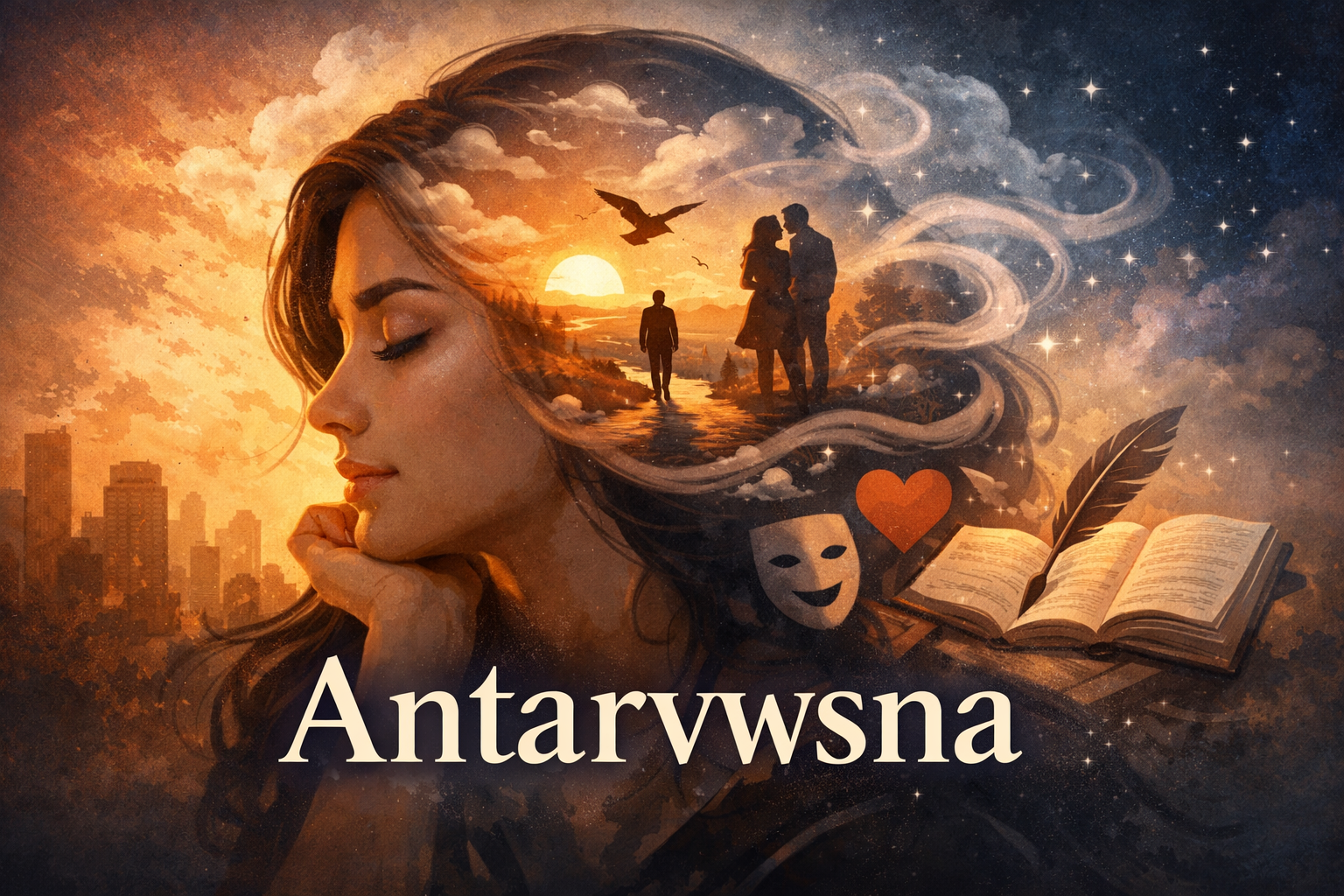
Antarvwsna: Understanding Inner Desires, Human Psychology, and Modern Expression
Introduction
Human beings are driven by emotions, thoughts, and desires that often stay hidden beneath the surface. These unspoken feelings shape our choices, relationships, creativity, and even our struggles. The term antarvwsna is commonly used online to describe these inner desires and suppressed emotions that people rarely express openly.
In today’s digital world, interest in antarvwsna reflects a deeper curiosity about the human mind, personal freedom, and emotional expression. This article explores the meaning of antarvwsna, its psychological roots, cultural background, modern interpretations, and why people search for it so often.
What Does Antarvwsna Mean?
Antarvwsna is derived from words that broadly point toward inner desires or hidden feelings. At its core, it represents thoughts and emotions that stay inside a person due to social pressure, fear of judgment, or lack of emotional safety.
These inner desires are not limited to one area of life. They may relate to:
- Emotional needs
- Personal ambitions
- Creative urges
- Relationship expectations
- Identity and self-expression
Understanding antarvwsna helps people better understand themselves and others.
The Psychological Side of Antarvwsna
Why Humans Suppress Inner Desires
From a psychological point of view, suppressing desires is common. Society teaches rules, boundaries, and norms from a young age. While these structures are important, they also cause many people to hide parts of their true selves.
Common reasons include:
- Fear of rejection or embarrassment
- Cultural or family expectations
- Past emotional trauma
- Lack of confidence
Over time, suppressed emotions can affect mental health, leading to stress, frustration, or emotional disconnect.
The Impact on Mental Well-Being
Research in psychology shows that ignoring inner emotions can increase anxiety and reduce overall life satisfaction. People who acknowledge and understand their internal desires often report better emotional balance and self-awareness.
Antarvwsna, when understood properly, becomes a tool for reflection rather than conflict.
Antarvwsna in Literature and Storytelling
A Reflection of Human Reality
Writers and storytellers have long explored inner desires through characters and narratives. Antarvwsna appears in literature as internal monologues, emotional struggles, and moral conflicts.
These stories resonate because readers see parts of themselves reflected in fictional characters. The popularity of such themes proves that people want to understand emotions they cannot always explain.
Why Readers Connect So Deeply
Stories centered around inner feelings feel authentic. They validate emotions that readers may be experiencing silently. This emotional connection builds trust and keeps audiences engaged.
Antarvwsna in the Digital Age
Online Searches and Curiosity
With the rise of the internet, people feel safer exploring sensitive topics anonymously. Searches related to antarvwsna often reflect curiosity rather than intention. Users may be seeking:
- Emotional understanding
- Psychological clarity
- Human stories
- Personal connection
This trend highlights a shift toward open exploration of the inner self.
Expression Without Judgment
Digital platforms allow individuals to read, write, and share thoughts without immediate social pressure. This freedom has helped normalize conversations around emotions, identity, and personal struggles.
Cultural Perspective on Antarvwsna
Traditional vs Modern Views
In many cultures, discussing inner desires openly was once considered inappropriate. Silence was seen as discipline. However, modern perspectives emphasize emotional honesty and mental health.
This cultural shift has made antarvwsna a topic of discussion rather than taboo.
Generational Differences
Younger generations are more open to self-expression. They value authenticity and emotional transparency. Older generations may still prefer restraint, which often creates misunderstanding between age groups.
Understanding antarvwsna can bridge this gap by encouraging empathy.
Real-Life Examples of Antarvwsna
Consider a professional who appears confident but feels unfulfilled at work. Their antarvwsna might be a desire for creative freedom.
Or a student who follows a career path chosen by family while quietly wishing for something different. These silent conflicts are everyday examples of antarvwsna in action.
Recognizing such emotions early helps people make healthier life choices.
Healthy Ways to Understand and Manage Antarvwsna
Acknowledging inner desires does not mean acting on every impulse. Balance is key. Healthy ways include:
- Self-reflection through journaling
- Honest conversations with trusted people
- Creative outlets like writing or art
- Professional counseling when needed
These methods help transform inner conflict into personal growth.
Common Misconceptions About Antarvwsna
It Is Not Always Negative
Many people associate inner desires with guilt. In reality, they are natural parts of being human. Problems arise only when they are ignored or misunderstood.
It Does Not Define Morality
Having inner thoughts does not make someone good or bad. Actions define character, not emotions alone.
Understanding this distinction reduces unnecessary shame.
Why Antarvwsna Matters Today
In a fast-paced world, people often disconnect from themselves. Antarvwsna reminds us to pause, reflect, and reconnect with our emotional core.
It encourages:
- Self-awareness
- Emotional intelligence
- Better relationships
- Mental clarity
These qualities are essential for a balanced and fulfilling life.
FAQs About Antarvwsna
What is the meaning of antarvwsna?
Antarvwsna refers to inner desires or hidden emotions that people often suppress due to social or personal reasons.
Is antarvwsna related to psychology?
Yes, it is closely linked to human psychology, especially emotional suppression, self-awareness, and mental well-being.
Why do people search for antarvwsna online?
Most searches reflect curiosity, emotional exploration, or interest in human behavior rather than explicit intent.
Is it healthy to acknowledge inner desires?
Absolutely. Recognizing emotions helps people manage stress and make better life decisions.
Can antarvwsna affect relationships?
Yes, unexpressed emotions can create misunderstandings, while healthy communication strengthens connections.
Conclusion: Embrace Awareness, Not Suppression
Antarvwsna represents the silent voice within every human being. Ignoring it can lead to emotional imbalance, while understanding it leads to growth, clarity, and self-respect.
By acknowledging inner desires thoughtfully and responsibly, people can live more authentic and meaningful lives.
Take a moment today to reflect on your inner thoughts. Understanding yourself is the first step toward a healthier, more fulfilling future.




2 thoughts on “Antarvwsna: Understanding Inner Desires, Human Psychology, and Modern Expression”