
Research Compounds Being Studied for Fat Metabolism and Performance in Fitness Science
Fitness science continues to explore compounds that influence metabolism, endurance, and muscle development. Researchers investigate how certain molecules interact with metabolic pathways and muscle-building signals. Among these, compounds like cardarine options and experimental agents such as gw501516 research compound often appear in scientific discussions related to fat metabolism research.
These substances remain strictly within laboratory and analytical settings. Researchers study them to understand metabolic mechanisms and cellular signaling. Their investigation helps scientists better understand energy use, exercise adaptation, and muscle-related pathways in controlled research environments.
The Role of Research Compounds in Fitness Science
Modern fitness science relies heavily on biochemical research. Scientists analyze how molecules influence metabolism, endurance potential, and muscle signaling pathways. These investigations contribute to a deeper understanding of human physiology and athletic performance.
Some research compounds are examined for their interaction with metabolic receptors. Others are studied for their effects on gene expression related to endurance or muscle development. Compounds discussed in laboratory research often include molecules that influence lipid metabolism or myostatin regulation.
For example, the GW501516 metabolism compound has attracted attention in metabolic pathway research. Scientists investigate how it interacts with receptors linked to lipid oxidation and energy regulation. These studies aim to understand how metabolic pathways respond to molecular signaling.
Cardarine in Research Supply Markets
cardarine appears in laboratory supply catalogs. Research facilities obtain such compounds for analytical or experimental purposes. Scientists evaluate how these molecules interact with biological systems at the cellular level.
Cardarine research often focuses on metabolic regulation. Investigators analyze its interaction with receptors associated with lipid metabolism and energy balance. These studies help researchers understand how metabolic processes adapt during physical activity or nutrient changes.
Within laboratory discussions, the term cardarine fat metabolism research describes studies examining lipid utilization pathways. Scientists investigate how metabolic signals influence endurance, energy efficiency, and substrate preference during exercise.
Understanding these mechanisms is essential for sports science and metabolic biology. Research findings may reveal insights about how muscles utilize fat as a fuel source during prolonged physical activity.
GW501516 Research Compound and Endurance Pathways
The gw501516 research compound is widely discussed in biochemical research related to endurance and metabolic efficiency. Scientists study how this compound interacts with specific receptors associated with energy regulation.
Laboratory experiments often examine gene expression changes when metabolic receptors activate. These changes may influence how cells process fatty acids and glucose. Researchers analyze these pathways to understand exercise adaptation and endurance physiology.
Mechanisms Under Investigation
Several mechanisms attract attention in metabolic research:
- Activation of metabolic receptors associated with lipid oxidation
- Changes in gene expression linked to endurance pathways
- Potential influence on mitochondrial energy production
- Regulation of metabolic efficiency during physical activity
Because endurance science depends heavily on cellular metabolism, compounds studied in these pathways help researchers explore how muscles sustain energy output over longer durations.
YK11 Powder and Muscle Research Studies
Another compound studied in fitness science research is yk11 powder. Researchers examine its interaction with muscle growth signaling pathways. The focus often involves myostatin regulation and cellular communication involved in muscle development.
Myostatin is a protein that plays a role in regulating muscle size. Scientists analyze compounds that interact with this pathway to understand how muscle cells respond to molecular signals. This area of research contributes to knowledge about muscle adaptation and hypertrophy mechanisms.
Within laboratory discussions, the compound often appears under the classification yk11 muscle research compound. Researchers evaluate how it interacts with regulatory proteins and muscle cell receptors in controlled experimental conditions.
Myostatin Research and Experimental Compounds
Some studies reference the YK-11 myostatin research compound when discussing experimental investigations into myostatin signaling pathways. These studies aim to understand the biochemical regulation of muscle growth and how cellular signals influence muscle fiber development.
Such investigations remain strictly within laboratory frameworks. Researchers analyze protein expression, cell signaling behavior, and muscle cell responses in controlled environments.
Why Fitness Science Investigates These Compounds
Fitness science integrates knowledge from molecular biology, physiology, and biochemistry. Research compounds help scientists explore mechanisms that may otherwise remain difficult to observe.
When studying metabolism or endurance pathways, researchers focus on how molecules affect cellular signaling. These investigations can reveal valuable insights about how muscles generate energy or adapt to physical stress.
Similarly, studies involving muscle research compounds provide information about muscle growth regulation. Understanding these pathways helps scientists examine the biological factors behind strength development and muscle adaptation.
Key Areas of Research Interest
- Fat metabolism and energy utilization
- Endurance-related metabolic signaling
- Muscle growth regulatory pathways
- Cellular responses to metabolic stress
Together, these research areas contribute to a broader understanding of exercise physiology and metabolic biology.
The Importance of Controlled Research Environments
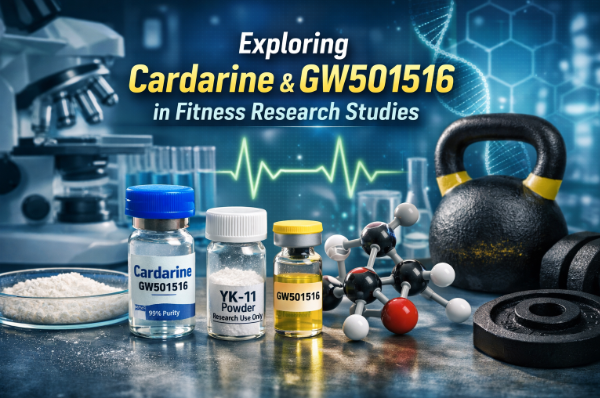
All research compounds discussed in fitness science remain within laboratory environments. Qualified researchers handle these materials according to scientific protocols and safety regulations.
Controlled environments allow scientists to measure metabolic responses accurately. Researchers analyze how cells behave under specific conditions and how signaling pathways respond to molecular interaction.
Data collected from such experiments helps expand the scientific understanding of metabolism, endurance, and muscle biology. However, these compounds remain experimental and are intended only for research analysis.
Future Directions in Fitness Science Research
The study of metabolic compounds continues to grow as researchers seek deeper insights into cellular energy systems. Advances in molecular biology and genomic analysis allow scientists to examine metabolic pathways with greater precision.
Researchers also explore how different compounds influence endurance and muscle signaling simultaneously. This interdisciplinary approach combines metabolic research, sports science, and cellular physiology.
As laboratory technology improves, scientists will likely discover additional compounds that influence metabolic regulation or muscle signaling. These discoveries could enhance the scientific understanding of exercise adaptation and human physiology.
For readers interested in broader discussions related to wellness and scientific topics, resources such as fitness and health research insights provide useful perspectives on ongoing developments in the field.
Conclusion
Research compounds continue to play an important role in the study of metabolism, endurance, and muscle development. Scientists analyze substances such as cardarine laboratory materials and the gw501516 research compound to explore complex metabolic pathways.
Investigations into cardarine fat metabolism research, endurance signaling, and yk11 muscle research compound pathways contribute to the growing body of knowledge within fitness science.
While these compounds remain strictly within laboratory research settings, their study helps scientists understand how metabolic systems and muscle signaling operate at the cellular level. Continued research in this area will expand the scientific understanding of metabolism, endurance physiology, and muscle adaptation mechanisms.