
Introduction
Language evolves constantly. New words appear, old words gain new meanings, and some terms quietly shape specific industries or cultures. One such intriguing term is calamariere. Though not widely discussed in mainstream dictionaries, it carries depth, historical texture, and contextual importance depending on how and where it is used.
In this comprehensive guide, we explore the origins of calamariere, its possible interpretations, its relevance in culinary and cultural discussions, and how it may be used in modern contexts. Whether you encountered this word in gastronomy, literature, or regional dialogue, this article clarifies its significance in clear, practical terms.
Understanding the Meaning of Calamariere
The term “calamariere” appears to be linguistically connected to “calamari,” which refers to squid, commonly prepared as a popular seafood dish. The suffix suggests association, profession, or specialization. In certain linguistic traditions, similar constructions refer to someone who works with or specializes in a specific item.
In this sense, calamariere may be interpreted as:
- A specialist in preparing or serving calamari
- A seafood professional focused on squid-based cuisine
- A culinary artisan associated with Mediterranean seafood traditions
While not universally standardized, such contextual usage aligns with culinary naming conventions in Italian and French linguistic structures, where occupational titles evolve from core ingredients or specialties.
The Culinary Roots Behind Calamari
To understand calamariere, it helps to examine the foundation: calamari. Calamari is widely consumed in Mediterranean countries such as Italy, Spain, and Greece. It is also popular in Asian coastal regions and in modern global cuisine.
In Mediterranean gastronomy, squid has been a dietary staple for centuries. Historical food records from coastal Italy show that squid-based dishes were prepared as early as the Roman Empire. Traditional methods included grilling, stuffing, frying, and stewing.
In contemporary restaurants, calamari often appears as:
- Lightly battered and deep-fried rings
- Grilled whole squid with olive oil and herbs
- Squid ink pasta
- Seafood paella featuring tender squid pieces
A calamariere, in a culinary context, could therefore refer to a chef or specialist who has developed expertise in handling, cleaning, preparing, and presenting squid dishes.
The Craftsmanship Behind Calamari Preparation
Preparing squid correctly requires skill. Overcooking can make it rubbery, while under-preparation can leave it tough. Professional seafood chefs emphasize timing and technique. A few seconds can make the difference between tender perfection and a chewy result.
Handling fresh squid involves:
- Cleaning the body and removing the internal cartilage
- Separating tentacles properly
- Managing cooking temperature precisely
- Choosing appropriate marinades or batters
In high-end coastal restaurants, chefs who master this technique often become known for their seafood specialization. In such circles, informal titles like calamariere could develop organically, especially in family-run establishments where expertise defines identity.
Calamariere in Cultural Context
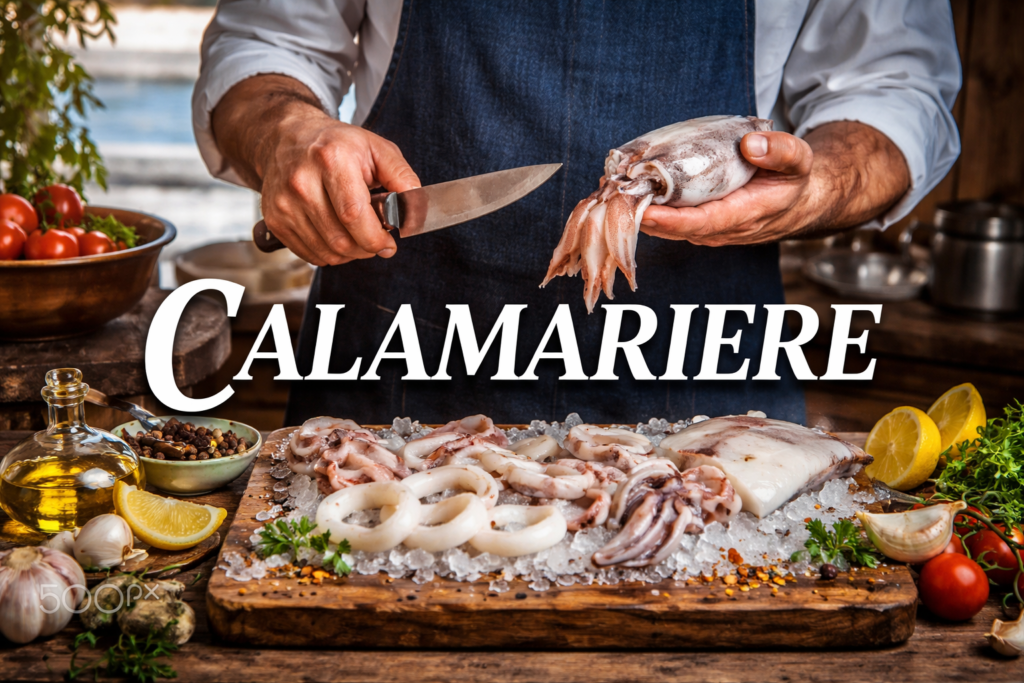
Beyond cuisine, language often carries symbolic weight. Seafood has long represented abundance, coastal heritage, and maritime tradition. A word like calamariere may reflect more than profession; it may reflect identity.
In Mediterranean fishing villages, culinary identity is tightly woven with cultural pride. A specialist in squid dishes may be seen not merely as a cook, but as a guardian of tradition. The preparation techniques passed down across generations become part of local heritage.
Consider small seaside communities in southern Italy. Restaurants that serve squid caught the same morning rely on precise handling to preserve flavor. The chef responsible for squid preparation often becomes recognized within the community. Informal terms emerge to honor expertise.
While calamariere may not appear in academic linguistic databases, regional dialects frequently produce similar occupational descriptors that remain localized yet meaningful.
The Evolution of Food-Specific Titles
Modern gastronomy has revived interest in culinary titles. Just as “sommelier” refers to a wine expert and “fromager” to a cheese specialist, food professionals increasingly develop niche expertise.
In this context, calamariere fits naturally into a broader culinary evolution where:
- Seafood chefs specialize by species
- Restaurants market ingredient-focused expertise
- Culinary branding emphasizes authenticity
In fact, according to global seafood consumption data from the Food and Agriculture Organization, squid consumption has steadily increased worldwide over the last two decades. As consumer demand grows, specialization follows.
A seafood restaurant that promotes a dedicated squid specialist could differentiate itself in competitive urban markets.
Why Specialized Culinary Knowledge Matters
Seafood handling involves food safety protocols that differ from land-based proteins. Squid spoils quickly if not stored properly. A knowledgeable specialist understands cold chain management, freshness indicators, and sustainable sourcing practices.
Professional seafood handlers look for:
- Clear, glossy skin
- Mild ocean scent
- Firm texture
- Intact tentacles
These quality indicators protect consumers from foodborne illness and preserve culinary integrity. A calamariere, understood as a squid expert, would possess deep familiarity with these standards.
In the era of informed dining, consumers increasingly value transparency. Restaurants that showcase technical expertise earn higher trust ratings and stronger customer loyalty.
Sustainability and Ethical Seafood Practices
Modern discussions about seafood must include sustainability. Squid populations fluctuate based on environmental conditions, water temperature, and fishing intensity. Responsible sourcing ensures ecosystem balance.
A professional specializing in squid dishes must stay informed about:
- Seasonal availability
- Responsible fisheries
- Local catch regulations
- Environmental impact
Incorporating sustainable sourcing builds long-term viability for both marine ecosystems and culinary businesses. This aligns with modern consumer values that prioritize environmental responsibility.
Calamariere and Culinary Innovation
Innovation keeps cuisine dynamic. Contemporary chefs experiment with squid in creative ways, including charcoal grilling, molecular gastronomy techniques, and fusion dishes.
Examples include:
- Squid ceviche with citrus infusions
- Squid stuffed with quinoa and herbs
- Black squid ink risotto
- Korean-style spicy squid stir-fry
A culinary professional deeply focused on squid would continually refine techniques, balancing tradition with experimentation. Such specialization can elevate a simple seafood dish into a signature experience.
The Role of Branding in Modern Restaurants
In competitive dining markets, differentiation matters. Highlighting a specialized seafood expert can enhance branding strategy.
For example, restaurants that spotlight:
- Oyster shuckers
- Sushi masters
- Wine sommeliers
Often gain reputation for excellence in that domain. Similarly, positioning a calamariere as a squid authority could strengthen brand identity, especially in coastal or Mediterranean-themed establishments.
Clear specialization communicates expertise, which builds customer trust and improves online reviews.
Practical Insights for Aspiring Seafood Specialists
If someone wishes to become highly skilled in squid preparation, structured learning helps. This includes culinary school training, seafood handling certification, and practical kitchen experience.
Steps to develop expertise include:
- Learning knife skills specific to mollusks
- Understanding squid anatomy
- Practicing multiple cooking techniques
- Studying regional squid recipes
Hands-on practice remains the most effective method. Many chefs begin by working under experienced seafood professionals before developing their own culinary identity.
Real-World Example
In several Mediterranean coastal towns, family-run seafood restaurants are known primarily for their squid dishes. Visitors travel specifically for those specialties. Over time, the chef responsible becomes synonymous with that dish.
Customer loyalty forms around consistency and flavor precision. Reviews often highlight texture quality and freshness. Word-of-mouth marketing becomes powerful.
Such real-world cases demonstrate how specialization elevates simple ingredients into defining culinary signatures.
Conclusion
Calamariere may not yet be a standardized dictionary term, but its linguistic and culinary logic is compelling. Rooted in the word calamari, it reflects specialization, craftsmanship, and cultural identity tied to squid preparation.
In today’s food landscape, where consumers value authenticity, sustainability, and expertise, focused culinary roles continue to grow in importance. Whether used formally or informally, the idea behind calamariere represents dedication to mastery within a specific domain.
If you are passionate about seafood, culinary arts, or Mediterranean traditions, consider deepening your knowledge of squid preparation and sourcing. Specialization not only enhances skill but also strengthens professional identity.
Explore, experiment, and refine your craft. Excellence often begins with mastering a single ingredient.
FAQs
What does calamariere mean?
Calamariere appears to refer to a specialist or expert associated with preparing or serving calamari, particularly in Mediterranean culinary contexts.
Is calamariere an official dictionary word?
It is not widely recognized in standard dictionaries, but its structure aligns with linguistic patterns used to describe food specialists.
How do you properly cook calamari?
Cook it quickly at high heat or slowly for extended periods. Medium cooking times often result in a rubbery texture.
Why is calamari sometimes chewy?
Chewiness usually results from overcooking or improper cleaning. Precise timing is critical.
Is squid sustainable to eat?
Sustainability depends on sourcing practices and fishing regulations. Choosing responsibly harvested squid supports marine ecosystem balance.
Can calamari be healthy?
Yes. Squid is high in protein and low in fat when grilled or lightly prepared. Avoid heavy battering for healthier options.
One Response