
In Sweden, sharing a meal is more than just satisfying hunger—it’s a way to connect, celebrate, and create meaningful experiences. One tradition that exemplifies this is the bjudlunch. Whether in a business setting or among friends, a bjudlunch is an invitation to enjoy food, conversation, and connection. In this article, we’ll explore what a bjudlunch is, why it matters, and how you can host one successfully.
What Is a Bjudlunch?
The term bjudlunch literally translates to “treat lunch” or “invite lunch.” It refers to a meal where the host offers lunch to guests, often without expecting anything in return. Unlike formal dinners or business lunches, a bjudlunch is usually relaxed, informal, and centered around hospitality.
Bjudlunches are popular in both personal and professional contexts. In workplaces, managers or colleagues might invite others to foster camaraderie. In social settings, friends or family members use it to show appreciation, celebrate milestones, or simply spend quality time together.
The Cultural Significance of Bjudlunch in Sweden
Swedes value equality, warmth, and balance, and these principles are evident in the bjudlunch tradition. Hosting a bjudlunch is not about status; it’s about sharing, inclusion, and connection. A simple lunch invitation can bridge gaps between colleagues, strengthen friendships, and create lasting memories.
In a business context, a bjudlunch is a subtle but effective networking tool. It allows professionals to discuss ideas in a relaxed environment, build trust, and foster collaboration. For example, startups often use bjudlunches to welcome new team members or celebrate project milestones, creating a positive work culture.
How to Plan a Successful Bjudlunch
Hosting a bjudlunch doesn’t require extravagant planning. The focus should be on creating a welcoming atmosphere and offering quality food. Here are practical tips to make your bjudlunch memorable:
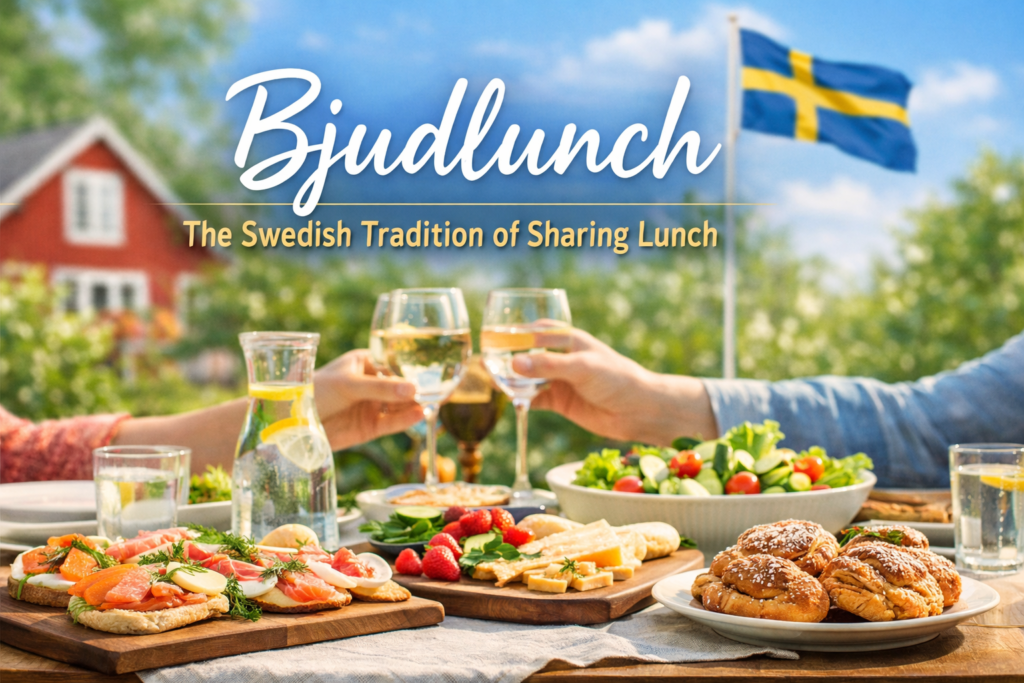
- Choose the Right Venue: Whether it’s at a cozy café, a restaurant, or your home, the setting should feel comfortable and inviting. Outdoor lunches during the summer add a refreshing touch.
- Consider Dietary Preferences: Ask your guests about allergies or dietary restrictions in advance. Providing a variety of options ensures everyone feels included.
- Keep It Relaxed: The charm of a bjudlunch lies in its informal nature. Avoid rigid agendas and allow conversations to flow naturally.
- Offer Thoughtful Details: Little touches, such as a handwritten invitation or a small dessert, make guests feel appreciated and enhance the experience.
Popular Foods for a Bjudlunch
Food is at the heart of any bjudlunch. While the menu can vary depending on the season or setting, certain Swedish staples are common:
- Smörgåsbord: A classic Swedish buffet with cold cuts, cheeses, breads, and salads.
- Open-faced sandwiches: Known as smörgåsar, topped with salmon, shrimp, or roast beef.
- Seasonal dishes: Fresh vegetables, hearty soups, and salads are often featured.
- Traditional desserts: Cinnamon buns, fruit tarts, or cardamom rolls provide a sweet ending.
Pairing food with coffee or light beverages adds to the relaxed and friendly vibe that defines a bjudlunch.
Benefits of Hosting a Bjudlunch
A bjudlunch offers more than just a meal. Its benefits extend to personal relationships, professional development, and emotional well-being.
- Strengthens Relationships: Sharing food fosters trust and connection, making interactions more meaningful.
- Encourages Networking: In professional settings, informal conversations can lead to valuable insights and opportunities.
- Boosts Morale: Employees and friends alike appreciate the gesture of hospitality, which can uplift moods and enhance loyalty.
- Promotes Cultural Appreciation: Hosting a bjudlunch introduces others to Swedish traditions, creating a sense of cultural awareness and curiosity.
Real-life examples show that companies that occasionally host bjudlunches report higher employee satisfaction and stronger team dynamics. For individuals, inviting friends or neighbors for a bjudlunch strengthens social bonds and creates memorable experiences.
Hosting a Virtual Bjudlunch
In the digital age, bjudlunches have also adapted to online formats. Virtual lunches via video calls allow people from different locations to connect and enjoy meals together. Hosts can send meal kits in advance or suggest a simple menu for participants to prepare at home.
Virtual bjudlunches are especially useful for remote teams, international friends, or situations where gathering in person is not possible. Despite the distance, the principles of warmth, hospitality, and conversation remain central.
Making the Experience Memorable
Beyond food and venue, the key to a successful bjudlunch lies in the experience. Consider these elements:
- Engaging Conversation: Encourage stories, experiences, and lighthearted discussion. Avoid topics that might cause tension.
- Interactive Elements: Activities like tasting different dishes or sharing recipes can enhance the meal.
- Personal Touches: Customizing the menu to your guests’ preferences or celebrating small milestones adds significance.
Common Mistakes to Avoid
While bjudlunches are meant to be relaxed, certain pitfalls can detract from the experience:
- Overcomplicating the Menu: Simple, high-quality dishes are often better than elaborate meals that take attention away from conversation.
- Ignoring Guest Preferences: Failing to consider dietary restrictions can make guests uncomfortable.
- Rigid Scheduling: The charm of a bjudlunch is its informality; forcing a strict agenda can reduce enjoyment.
By focusing on connection rather than perfection, hosts can ensure a positive, memorable experience for everyone.
Bjudlunch in Everyday Life
A bjudlunch doesn’t have to be a rare occasion. Many Swedes incorporate this tradition into daily life, inviting colleagues or friends for casual weekday lunches. Even simple gestures, like sharing homemade sandwiches or enjoying coffee together, embody the spirit of bjudlunch.
In workplaces, managers may use bjudlunches as a recognition tool, while friends may host monthly gatherings to maintain strong social ties. Over time, these small acts of hospitality contribute to a supportive, engaged, and connected community.
Conclusion
The bjudlunch is more than just a meal—it’s a celebration of connection, culture, and care. Whether you’re hosting a professional networking lunch, a casual meal with friends, or even a virtual gathering, the principles remain the same: warmth, thoughtfulness, and shared enjoyment.
Embrace the tradition of bjudlunch in your life and experience the joy of bringing people together over food. Invite someone today, savor the moment, and build relationships that last.
FAQs About Bjudlunch
What is the difference between a bjudlunch and a regular lunch?
A bjudlunch is an invitation lunch where the host treats guests, often with no expectation of reciprocity, while a regular lunch is simply a meal without the social or cultural emphasis.
Can a bjudlunch be held virtually?
Yes, virtual bjudlunches via video calls allow participants to enjoy meals together, maintaining connection despite distance.
What foods are commonly served at a bjudlunch?
Common foods include open-faced sandwiches (smörgåsar), cold cuts, salads, soups, and traditional Swedish desserts like cinnamon buns.
Is a bjudlunch only for business purposes?
No, bjudlunches are for both social and professional contexts, fostering connection, appreciation, and hospitality in any setting.
How often should one host a bjudlunch?
There’s no strict rule—monthly or occasional gatherings work well. The key is sincerity and the intention to connect.