
Introduction
If you have tried calorie counting, gym memberships, and every trending diet but still struggle with stubborn fat, you are not alone. Millions of people face the same frustration. Recently, weight loss peptides have gained attention as a modern, science-based option for fat loss. Social media influencers, clinics, and even celebrities talk about them as a breakthrough in metabolic health.
But what exactly are weight loss peptides? Do they really work? And are they safe?
This guide explains the science, benefits, risks, and practical considerations of using peptides for weight loss. By the end, you will understand whether this approach fits your health goals.
What Are Weight Loss Peptides?
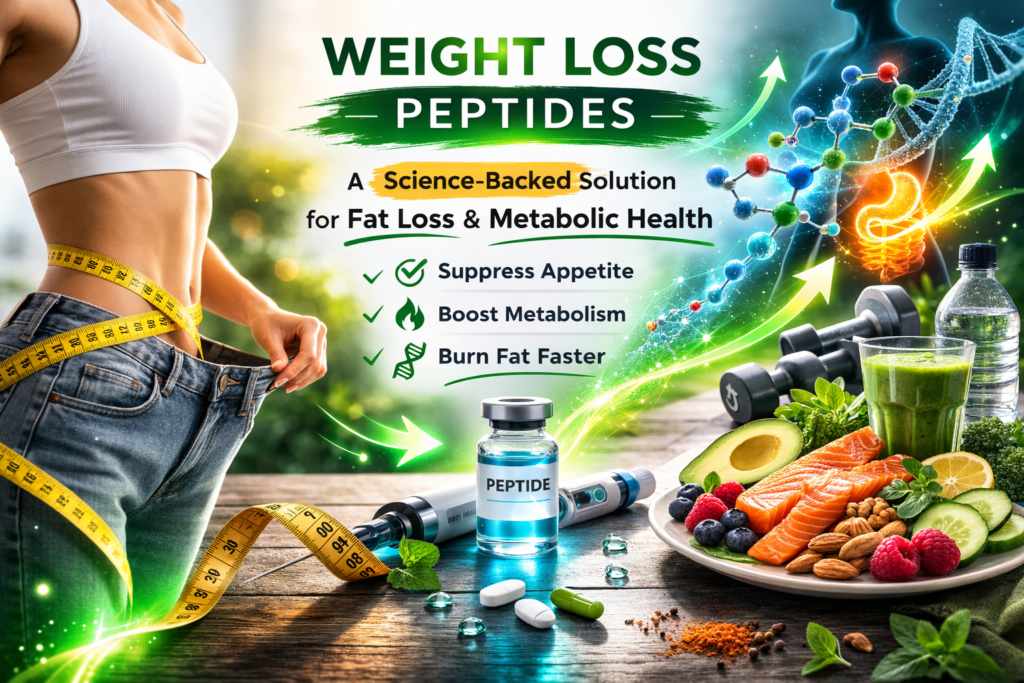
Weight loss peptides are short chains of amino acids that signal the body to perform specific functions. In simple terms, they act like messengers. Some peptides influence hunger, metabolism, insulin sensitivity, and fat burning.
Unlike traditional fat burners or supplements, these compounds often mimic natural hormones in your body. That is why many doctors prescribe certain peptides for obesity and metabolic disorders.
One well-known example is Semaglutide, originally developed for type 2 diabetes. It belongs to a class of medications called GLP-1 receptor agonists. These drugs help regulate blood sugar and reduce appetite. Clinical trials have shown significant weight reduction in patients using them.
Another example is Tirzepatide, which targets two hormonal pathways involved in appetite and insulin control. Studies show that some participants lost over 20% of their body weight under medical supervision.
How Do Weight Loss Peptides Work?
Weight loss peptides work by interacting with hormonal pathways in the body. Most target appetite control, digestion speed, and fat metabolism.
Appetite Suppression
Certain peptides mimic GLP-1, a hormone released in the gut after eating. This hormone signals fullness to the brain. When GLP-1 activity increases, hunger decreases. People feel satisfied with smaller portions.
This effect reduces daily calorie intake naturally, without extreme dieting.
Slower Gastric Emptying
Some peptides slow how quickly food leaves the stomach. This creates a longer feeling of fullness. It also stabilizes blood sugar levels, which reduces cravings and energy crashes.
Improved Insulin Sensitivity
Peptides can enhance how your body uses insulin. Better insulin function means less fat storage and improved energy use. Over time, this supports gradual fat loss.
Increased Fat Oxidation
Certain research peptides are believed to promote fat breakdown. However, many of these are still under investigation and not approved for weight management.
Types of Peptides Used for Weight Loss
There are several categories of peptides commonly discussed in weight management.
GLP-1 Receptor Agonists
This category includes medications like Semaglutide and Liraglutide. They are FDA-approved for obesity treatment in specific doses. These medications are typically given as weekly or daily injections under medical supervision.
Clinical trials show average weight loss ranging from 10% to 15% of total body weight, depending on dosage and duration.
Dual Agonists
Tirzepatide activates both GLP-1 and GIP receptors. This dual mechanism may enhance fat loss beyond traditional GLP-1 medications.
In large trials, many participants experienced double-digit percentage weight loss over 72 weeks.
Growth Hormone–Related Peptides
Some peptides stimulate growth hormone release. While growth hormone can influence body composition, these peptides are not universally approved for fat loss. Results vary widely, and long-term safety data remains limited.
Do Weight Loss Peptides Really Work?
The short answer is yes, but context matters.
In clinical settings, medically approved peptides have shown impressive results. For example, patients using GLP-1 medications under physician care often report:
- Reduced appetite within weeks
- Gradual and consistent weight reduction
- Improved blood sugar control
- Better energy stability
However, weight loss does not happen automatically. Patients in trials typically follow structured diet and lifestyle programs alongside medication.
Real-world data suggests that combining peptide therapy with strength training and protein-rich nutrition preserves muscle mass during fat loss. Without lifestyle adjustments, results may be slower or plateau.
Benefits of Weight Loss Peptides
Weight loss peptides offer several potential advantages compared to traditional dieting alone.
First, they address biological hunger signals. Many people struggle not because of willpower, but because of hormonal imbalances. Peptides help regulate those signals.
Second, they support metabolic health. Improvements in blood pressure, cholesterol, and blood sugar often accompany weight reduction.
Third, they may reduce binge-eating patterns by decreasing food obsession and cravings.
For individuals with obesity-related health risks, these medications can significantly lower the chances of developing heart disease or type 2 diabetes.
Risks and Side Effects
Despite their benefits, weight loss peptides are not risk-free.
Common side effects include nausea, vomiting, diarrhea, constipation, and mild fatigue. These symptoms often improve after the body adjusts.
More serious but rare risks may include pancreatitis or gallbladder issues. That is why medical supervision is critical.
Peptides purchased from unregulated online sources can be dangerous. Non-prescription products may contain incorrect dosages or contaminants.
Anyone considering peptide therapy should consult a qualified healthcare provider. Self-experimentation can lead to complications.
Who Should Consider Weight Loss Peptides?
Weight loss peptides are typically prescribed for individuals with a body mass index over 30, or over 27 with weight-related health conditions.
They may benefit people who:
- Have struggled with long-term obesity
- Have insulin resistance or prediabetes
- Experience intense hunger despite dieting
- Need medical support to reduce health risks
They are not magic solutions for cosmetic weight loss. Physicians evaluate medical history, current medications, and metabolic markers before prescribing.
Practical Considerations Before Starting
If you are thinking about peptide therapy, ask these questions:
What are my long-term goals?
Can I commit to lifestyle changes?
Am I prepared for possible side effects?
Is this supervised by a licensed medical professional?
Cost is another factor. Many insurance plans cover these medications for diabetes but may not fully cover them for weight management. Monthly expenses can be significant.
Also consider sustainability. Some people regain weight after stopping treatment. Long-term plans often involve gradual tapering and strong lifestyle habits.
Real-Life Example
Consider a 42-year-old office worker with a BMI of 33 and prediabetes. Despite dieting for years, weight kept returning. Under medical supervision, he began GLP-1 therapy alongside moderate exercise and balanced meals.
Within six months, he lost 15% of his body weight. His blood sugar normalized. He reported feeling less obsessed with food and more in control.
However, he also experienced mild nausea during the first month. Adjusting dosage resolved most discomfort.
This example highlights that peptide therapy works best as part of a broader health strategy.
Are Weight Loss Peptides Safe Long-Term?
Research continues to evolve. Approved medications have undergone large clinical trials demonstrating safety for extended use. However, long-term data beyond several years is still developing.
Doctors monitor liver enzymes, pancreas health, and metabolic markers during treatment. Regular follow-ups reduce risks.
Safety depends heavily on medical guidance and proper dosing.
Natural Alternatives and Lifestyle Foundations
Even the most effective peptide cannot replace basic health principles.
Sustainable weight loss requires:
Consistent strength training
Adequate protein intake
Quality sleep
Stress management
Balanced calorie control
Peptides may enhance these efforts, but they do not eliminate the need for them.
FAQs About Weight Loss Peptides
What is the best peptide for weight loss?
GLP-1 receptor agonists like Semaglutide are currently among the most effective and well-studied options for obesity treatment.
How fast do weight loss peptides work?
Many people notice appetite changes within the first few weeks. Significant fat loss usually occurs over several months.
Do you regain weight after stopping peptides?
Some individuals regain weight if they discontinue treatment without maintaining lifestyle habits. Long-term strategies are important.
Are weight loss peptides safe without a prescription?
No. Using non-prescribed or research-grade peptides can be dangerous. Always consult a licensed medical provider.
Are peptides better than diet and exercise?
They are not replacements. They are medical tools that support diet and exercise, especially for individuals with obesity or metabolic disorders.
Conclusion
Weight loss peptides represent one of the most significant advances in modern obesity treatment. Backed by clinical research, they help regulate hunger, improve metabolic health, and support meaningful fat loss when used responsibly.
However, they are not miracle injections. Success depends on medical supervision, consistent habits, and long-term commitment.
If you have struggled with weight despite serious effort, speak with a healthcare professional about whether peptide therapy could be right for you. An informed decision today could transform your health tomorrow.