
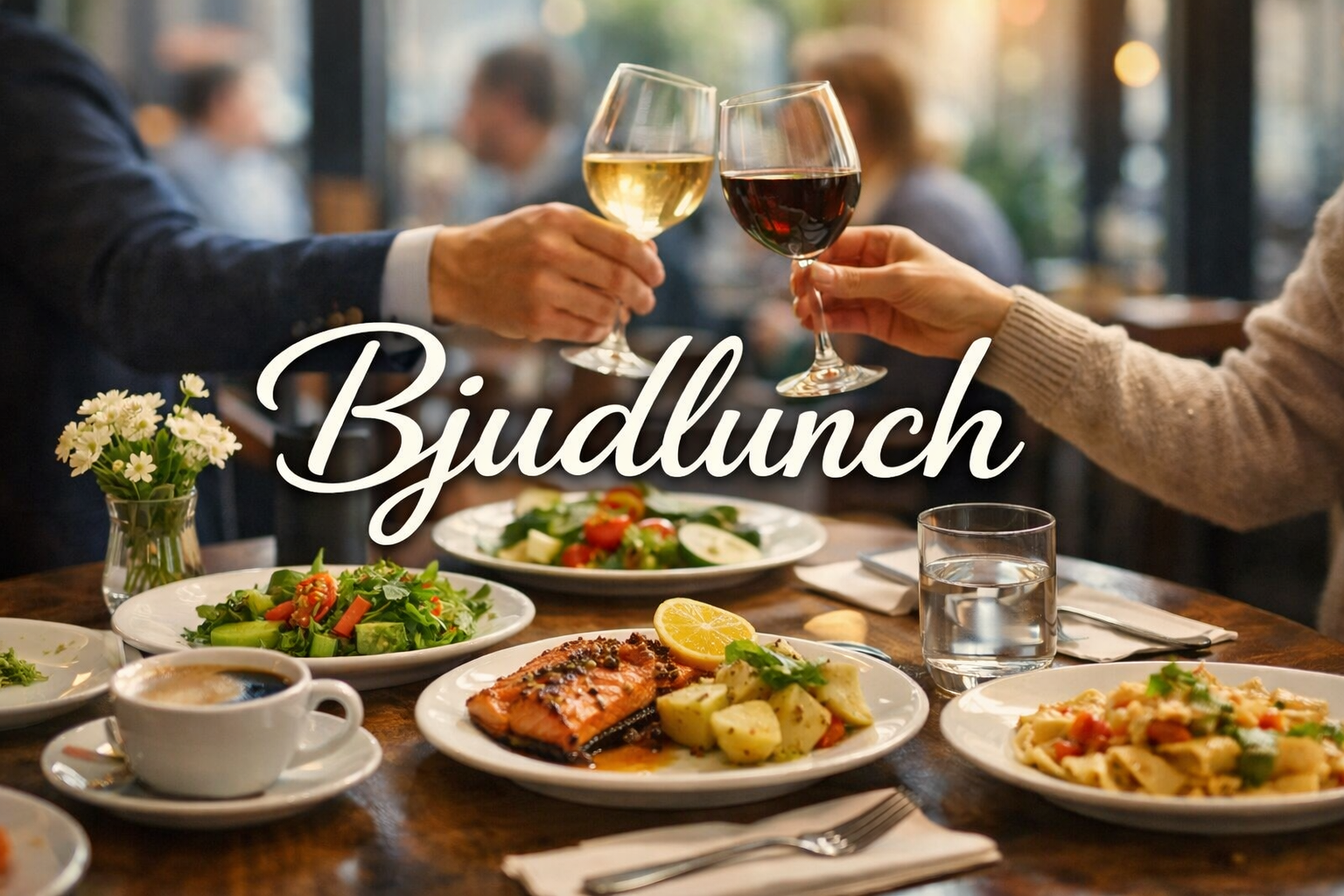
Bjudlunch: Meaning, Culture, and How to Host a Memorable Invitation Lunch
In many cultures, sharing a meal is more than a routine. It is a gesture of trust, respect, and connection. The Swedish concept of bjudlunch captures this idea in a simple yet powerful way. At first glance, it may seem like just another lunch invitation. In reality, it carries social meaning, subtle etiquette, and thoughtful intention.
If you have heard the term and wondered what it really means, or if you are planning to host one, this guide will help you understand the deeper value behind bjudlunch and how to approach it with confidence.
What Does Bjudlunch Mean?
The word “bjudlunch” comes from Swedish. It combines “bjuda,” which means to invite or treat, and “lunch,” the midday meal. In simple terms, bjudlunch means an invitation lunch where the host pays for or provides the meal.
Unlike a casual “let’s grab lunch,” a bjudlunch signals that one person is intentionally offering hospitality. It is often used in professional settings, social gatherings, and even informal networking situations.
In Sweden, and increasingly in other parts of Europe, this small linguistic detail reflects a broader cultural norm: when you invite someone to a bjudlunch, you are responsible for the bill.
The Cultural Roots of Bjudlunch
To understand bjudlunch, it helps to look at Swedish social culture. In countries like Sweden, modesty and fairness are core values. Social interactions often avoid awkwardness or ambiguity. This is why the concept of clearly stating who pays matters.
In many parts of the world, lunch invitations can create confusion. Should you split the bill? Should the guest offer to pay? With bjudlunch, the intention is clear from the start. The inviter hosts. The guest accepts.
This clarity reduces social tension and reinforces trust. It also shows generosity without extravagance. Swedish culture often values balance. A bjudlunch is thoughtful but not excessive.
When Is Bjudlunch Appropriate?
Bjudlunch appears in several contexts:
Business Meetings
In professional life, bjudlunch is common during client meetings, job interviews, and partnership discussions. Inviting someone to lunch signals seriousness and respect. It creates a relaxed setting that allows open conversation.
Research from workplace communication studies shows that informal dining meetings can increase negotiation success rates. Sharing a meal lowers stress and builds rapport.
Celebrations and Milestones
People also host bjudlunch for birthdays, graduations, or small achievements. Instead of an evening party, a daytime lunch feels lighter and easier to attend.
Social Invitations
Sometimes, a friend simply wants to treat another friend. In this case, bjudlunch becomes an expression of appreciation.
The Etiquette of Bjudlunch
Understanding etiquette is essential. A well-hosted bjudlunch feels effortless. A poorly handled one can create discomfort.
Here are the most important principles:
- The host pays without hesitation.
- The guest thanks the host but does not insist on splitting the bill.
- The restaurant choice matches the relationship and occasion.
- The host arrives on time and ensures smooth arrangements.
While these points seem simple, they reflect deeper social intelligence. Hosting is about making others feel comfortable.
How to Host a Successful Bjudlunch
Hosting a bjudlunch is not about spending large amounts of money. It is about planning carefully and reading the situation.
Choose the Right Venue
The location sets the tone. A quiet café works well for casual meetings. A mid-range restaurant fits business discussions. Fine dining may suit special celebrations but is rarely necessary.
In cities like Stockholm or Gothenburg, lunch culture is strong, and many restaurants offer affordable weekday lunch menus. These typically include a main dish, salad, bread, and coffee at a fixed price.
Set Clear Expectations
When inviting someone, be direct. For example: “I would like to invite you to lunch.” In Swedish contexts, the phrase itself signals payment responsibility.
Clarity prevents awkward bill moments.
Keep the Conversation Balanced
A bjudlunch is social but purposeful. If it is a business lunch, avoid diving into heavy topics before ordering. Start with light conversation. Let the meal flow naturally.
If it is a friendly lunch, focus on listening. Hosting is not about dominating the discussion.
Handle the Bill Smoothly
When the check arrives, act confidently. Pay without creating a scene. If the guest offers to contribute, thank them and decline politely.
Confidence reassures your guest that the invitation was genuine.
Why Bjudlunch Strengthens Relationships
Modern life moves fast. Many interactions happen online. A bjudlunch brings people face to face. That physical presence builds trust in ways digital communication cannot.
Studies in social psychology show that shared meals increase cooperation and empathy. Eating together synchronizes behavior. Even small actions like passing bread or sharing dishes create subtle bonding signals.
In professional environments, leaders who host occasional lunches often report stronger team loyalty. Employees feel valued when included in such gestures.
Bjudlunch in a Global Context
Although the term is Swedish, the concept exists worldwide.
In English-speaking countries, phrases like “my treat” or “let me take you to lunch” express similar intent. However, the clarity of bjudlunch stands out because it embeds responsibility directly into the word.
In some cultures, paying the bill becomes a polite struggle. In others, splitting evenly is standard. Bjudlunch removes guesswork.
As global business expands, understanding such nuances improves cross-cultural communication.
Common Mistakes to Avoid
Even a simple lunch can go wrong if handled poorly.
First, avoid choosing an overly expensive restaurant unless the occasion demands it. Extravagance may create pressure rather than appreciation.
Second, do not use bjudlunch as leverage. A lunch invitation should never feel transactional or manipulative.
Third, respect dietary restrictions. Always ask in advance about allergies or preferences. This shows professionalism and care.
Real-Life Example: Bjudlunch in Business Networking
Imagine a startup founder meeting a potential investor. Instead of scheduling a formal office presentation, the founder invites the investor to a bjudlunch.
During the meal, they discuss ideas casually. The relaxed setting encourages open questions. By the end of lunch, both parties feel comfortable. The meeting becomes more productive than a rigid conference room session.
Many Scandinavian entrepreneurs use this approach. The atmosphere of a shared meal reduces hierarchy and supports collaboration.
The Psychological Impact of Hosting
Hosting triggers positive emotions. Research in behavioral economics suggests that giving increases happiness levels more than receiving. When you organize a bjudlunch, you experience the satisfaction of generosity.
At the same time, the guest feels valued. This mutual benefit strengthens long-term relationships.
In workplaces, managers who occasionally host team lunches often see improved morale. The gesture signals recognition without formal reward systems.
How to Accept a Bjudlunch Gracefully
Being invited also carries responsibility.
Arrive on time. Express gratitude at the beginning and end of the meal. Avoid ordering the most expensive item on the menu unless encouraged. Keep the tone respectful.
A simple follow-up message afterward reinforces goodwill. For example: “Thank you for the lovely lunch today. I appreciated our conversation.”
Such gestures build social capital.
Is Bjudlunch Always Formal?
Not at all. While it appears in business settings, it can be informal and relaxed.
Friends may host spontaneous bjudlunch gatherings at home. A homemade meal often feels more personal than a restaurant visit.
In some cases, families organize weekend bjudlunch events instead of large dinners. Daytime meals allow more flexibility and feel less demanding.
Planning a Home-Based Bjudlunch
If you prefer hosting at home, focus on simplicity. A well-prepared dish, fresh bread, and coffee are enough.
Keep the menu manageable. Stress-free hosting creates better energy than complex cooking.
You do not need elaborate decoration. Clean surroundings and thoughtful presentation matter more than extravagance.
The Future of Bjudlunch
As hybrid work models expand, social lunches are regaining importance. Remote teams often struggle with connection. Occasional in-person lunches help rebuild community.
Companies in Scandinavia continue to use lunch invitations as part of their culture-building strategy. The concept of bjudlunch remains relevant because human connection remains essential.
In a world filled with digital noise, sitting down for a simple meal feels grounding.
Conclusion: Why You Should Embrace Bjudlunch
Bjudlunch is more than an invitation. It is a symbol of generosity, clarity, and connection. It reduces social awkwardness and strengthens both personal and professional relationships.
Whether you are a manager, entrepreneur, student, or friend, hosting a thoughtful lunch can create lasting impressions. You do not need luxury. You need intention.
Next time you want to deepen a connection, consider extending a clear and confident lunch invitation. Practice the art of bjudlunch and experience how a simple meal can open meaningful doors.
FAQs About Bjudlunch
What does bjudlunch mean in Swedish?
Bjudlunch means an invitation lunch where the host pays for the meal. The term combines the Swedish word for inviting with lunch.
Who pays during a bjudlunch?
The person who invites pays. The responsibility is clear and understood culturally.
Is bjudlunch only used in Sweden?
The word originates in Sweden, but the concept of hosting and paying for lunch exists globally.
Is bjudlunch formal or informal?
It can be both. It is common in business settings but also appears in friendly or family contexts.
How do you politely invite someone to a bjudlunch?
Use clear language. For example: “I would like to invite you to lunch.” In Swedish settings, this signals that you will cover the cost.




One thought on “Bjudlunch: Meaning, Culture, and How to Host a Memorable Invitation Lunch”