
Wildlife management often happens quietly, behind the scenes. Yet the decisions made at the local level shape ecosystems, protect biodiversity, and guide hunting practices. In Norway, one of the most important local bodies in this process is the Viltnemnda.
If you have ever wondered who decides hunting quotas, manages local game populations, or handles wildlife-related conflicts, Viltnemnda is a central part of that answer. Understanding how it works offers insight into how modern wildlife governance balances conservation, community interests, and sustainable use of natural resources.
What Is Viltnemnda?
Viltnemnda is a municipal wildlife board in Norway. It operates under the authority of the Norwegian Wildlife Act and plays a crucial role in local wildlife management. The term itself translates to “wildlife committee,” and its core responsibility is to oversee the management of wild game species within a municipality.
Each municipality appoints its own Viltnemnda. Members are typically selected by the municipal council and represent a mix of backgrounds, including landowners, hunters, conservation advocates, and local officials. This local representation ensures that decisions reflect both ecological realities and community needs.
Viltnemnda acts as a bridge between national wildlife policy and local implementation. While national authorities set the legal framework, it is the local wildlife board that translates these rules into practical decisions on the ground.
The Legal Framework Behind Viltnemnda
Viltnemnda operates under Norway’s Wildlife Act (Viltloven). This legislation aims to ensure that wildlife and their habitats are managed sustainably, both ecologically and economically.
The law establishes several key principles:
- Wildlife is a national resource.
- Management should promote biodiversity.
- Hunting must be sustainable and regulated.
- Decisions should be based on scientific knowledge and local data.
Viltnemnda’s authority comes directly from this legal framework. It cannot act outside the scope of national law, but it has considerable discretion in adapting management measures to local conditions.
For example, while the central government may set general hunting seasons for moose or deer, Viltnemnda often determines local quotas based on population assessments and habitat capacity.
Core Responsibilities of Viltnemnda
Viltnemnda has a wide range of responsibilities that influence both wildlife conservation and hunting practices.
Setting Hunting Quotas
One of its most visible roles is setting quotas for species such as moose, red deer, roe deer, and other game animals. These quotas are based on:
- Population surveys
- Reproductive rates
- Habitat conditions
- Data from previous hunting seasons
If a moose population grows too quickly, it can lead to forest damage and traffic accidents. If it declines too much, it may threaten ecological balance and local hunting traditions. Viltnemnda must strike a careful balance.
Managing Wildlife Conflicts
Wildlife conflicts can arise in several ways. Large herbivores may damage crops or forests. Predators may threaten livestock. Increasing urban development can bring animals closer to residential areas.
Viltnemnda works with local authorities, landowners, and sometimes the police to manage these situations. In certain cases, it can authorize targeted culling or special hunting permits to reduce specific problems.
Habitat Conservation
Wildlife management is not only about controlling numbers. It also involves protecting and improving habitats. Viltnemnda may support initiatives that enhance biodiversity, such as:
- Preserving migration corridors
- Protecting wetlands
- Encouraging sustainable forestry practices
By focusing on habitat health, the board helps maintain stable wildlife populations over the long term.
How Decisions Are Made
Viltnemnda decisions are not arbitrary. They rely on data, consultation, and structured processes.
Most municipalities collect detailed statistics each year. Hunters are required to report their harvest numbers. Biologists conduct field surveys. Landowners provide information on forest damage or grazing pressure.
The board reviews this data during meetings, where members discuss trends and assess whether adjustments are needed. Decisions are usually made through formal voting procedures.
Transparency is also important. In many cases, meeting minutes and decisions are publicly available. This openness builds trust and ensures accountability.
Real-Life Example: Moose Management in Rural Norway
Moose are one of the most economically and culturally significant species in Norway. They also pose risks, especially through vehicle collisions.
In one rural municipality, data showed a steady increase in moose-related traffic accidents over five years. Forest owners also reported rising damage to young trees. After reviewing the data, Viltnemnda increased the hunting quota slightly for the next season.
The result was measurable. Within two years, accident rates declined and forest damage stabilized. This case highlights how local wildlife governance can respond effectively to real-world challenges.
The Balance Between Hunting and Conservation
Modern wildlife management does not treat hunting and conservation as opposites. In fact, regulated hunting is often a core tool for sustainable population control.
Viltnemnda must consider ecological sustainability first. However, it also recognizes that hunting traditions are deeply rooted in Norwegian culture. Hunting contributes to local economies, supports outdoor heritage, and provides food resources.
The key is balance. If quotas are too high, wildlife populations suffer. If they are too low, overpopulation may cause ecological and economic damage. The board’s task is to align conservation science with community interests.
Cooperation With Other Authorities
Viltnemnda does not operate in isolation. It cooperates closely with:
- County governors
- Environmental agencies
- Forestry authorities
- Agricultural stakeholders
In predator management, for example, coordination with regional and national authorities is essential. Large carnivores such as wolves and bears often fall under stricter national control.
This multi-level governance ensures that local decisions are consistent with broader environmental goals.
Why Viltnemnda Matters for Biodiversity
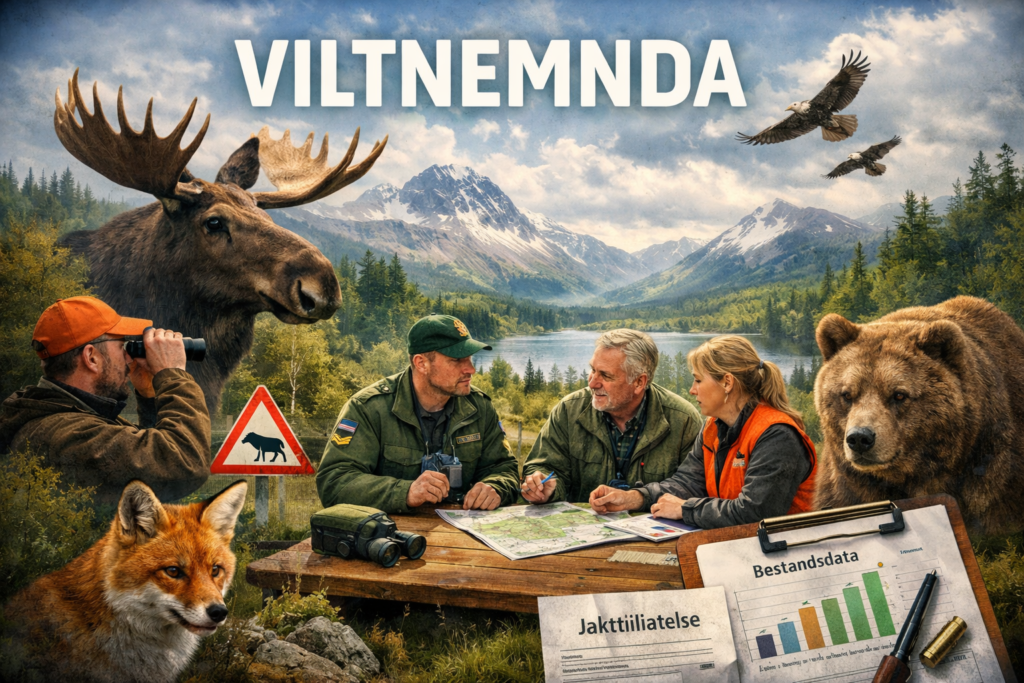
Local wildlife boards play a critical role in preserving biodiversity. They monitor population trends and adapt management strategies before problems escalate.
Climate change adds new complexity. Shifts in temperature and precipitation affect migration patterns, breeding cycles, and habitat distribution. Viltnemnda must consider these evolving conditions when setting quotas and approving management plans.
By acting early and locally, these boards help prevent long-term ecological damage.
Challenges Facing Viltnemnda
Despite its importance, Viltnemnda faces several challenges.
First, data collection can be resource-intensive. Smaller municipalities may lack funding for extensive wildlife surveys. This can limit the precision of quota decisions.
Second, public opinion is not always aligned. Hunters may push for higher quotas, while conservation groups may advocate stricter limits. The board must navigate these competing interests carefully.
Third, climate change and habitat fragmentation increase uncertainty. Wildlife patterns that were stable for decades may shift rapidly, requiring more adaptive management approaches.
The Future of Local Wildlife Governance
As environmental awareness grows, the role of local governance bodies like Viltnemnda becomes even more significant.
Digital tools now support better data collection. GPS tracking, remote cameras, and advanced statistical modeling improve the accuracy of population assessments. These technologies enable more informed decisions.
There is also increasing emphasis on ecosystem-based management. Instead of focusing on a single species, authorities consider entire ecological networks. This holistic approach strengthens long-term sustainability.
Viltnemnda is likely to continue evolving, integrating new science while maintaining its core mission of balancing human use and wildlife protection.
How Citizens Can Engage
Public participation strengthens wildlife governance. Residents can:
- Attend municipal meetings
- Provide feedback during consultation periods
- Participate in local conservation initiatives
Informed citizens help ensure that decisions reflect shared values and scientific understanding.
If you are a landowner or hunter, staying updated on local regulations is essential. Responsible participation supports both biodiversity and community traditions.
Conclusion: Why Understanding Viltnemnda Matters
Viltnemnda may not always make headlines, but its influence is profound. It shapes hunting regulations, protects habitats, and manages wildlife conflicts at the local level. Through data-driven decisions and community involvement, it ensures that wildlife remains a sustainable resource for future generations.
As environmental challenges grow more complex, the importance of effective local governance increases. By understanding how Viltnemnda operates, citizens can better appreciate the balance between conservation and sustainable use.
If you care about wildlife, hunting traditions, or environmental sustainability, take the time to learn how your local wildlife board works. Engagement at the local level is one of the most powerful ways to support responsible natural resource management.
FAQs About Viltnemnda
What does Viltnemnda do?
Viltnemnda is a municipal wildlife board responsible for managing game species, setting hunting quotas, and handling wildlife-related issues within a municipality.
Who appoints Viltnemnda members?
Members are appointed by the municipal council. They typically represent various local interests, including hunting, land management, and conservation.
Can Viltnemnda change hunting seasons?
Hunting seasons are largely determined by national regulations. However, Viltnemnda can adjust local quotas and implement certain management measures within the legal framework.
How does Viltnemnda use data in decision-making?
The board relies on harvest reports, wildlife surveys, habitat assessments, and local observations to guide quota decisions and conservation strategies.
Is Viltnemnda involved in predator control?
In some cases, yes. However, large carnivores often fall under regional or national authority. Viltnemnda may assist in managing local impacts within legal limits.