
Modern homes demand comfort, energy efficiency, and sustainability. Many traditional insulation materials promise results, but few combine performance with environmental responsibility. That’s where wollmatten stand out.
Wollmatten, made from natural wool fibers, are gaining attention in sustainable construction and eco-friendly renovation projects. They offer thermal insulation, moisture regulation, and acoustic benefits while remaining biodegradable and renewable. If you are building, renovating, or upgrading insulation, understanding how wollmatten work can help you make a smarter long-term investment.
What Are Wollmatten?
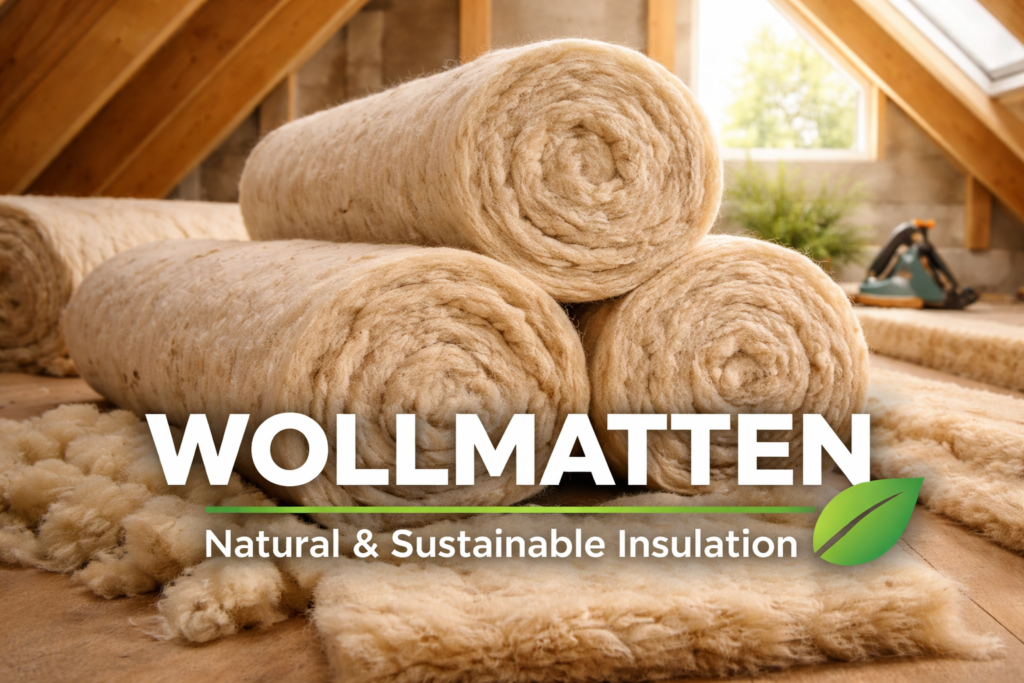
Wollmatten are insulation mats manufactured primarily from sheep’s wool. The fibers are cleaned, processed, and mechanically bonded into dense yet breathable mats. Unlike synthetic insulation materials, wool retains its natural structure, which provides excellent thermal and moisture management properties.
Wool fibers have a unique crimped structure. This creates millions of tiny air pockets that trap air and reduce heat transfer. The result is consistent indoor temperatures in both winter and summer.
Because wool is a renewable resource, wollmatten align with green building standards and environmentally conscious construction practices.
Why Wollmatten Are Gaining Popularity
Sustainable building is no longer a niche trend. Homeowners and developers now prioritize materials that reduce environmental impact without sacrificing performance. Wollmatten meet this demand for several reasons.
First, they provide strong thermal performance. Natural wool insulation can achieve competitive R-values compared to mineral wool and fiberglass. Second, they regulate humidity. Wool can absorb up to 30 percent of its weight in moisture without feeling damp, helping prevent condensation and mold growth. Third, they contribute to indoor air quality because they do not release harmful fibers or volatile organic compounds.
In countries with strict building energy regulations, natural insulation solutions like wollmatten are increasingly specified in residential and commercial projects.
Thermal Insulation Performance
How Wool Traps Heat
The effectiveness of wollmatten lies in their structure. Each wool fiber contains microscopic air pockets. Air is a poor conductor of heat, so trapping air within insulation reduces heat transfer.
During winter, wollmatten retain indoor warmth. In summer, they slow external heat from entering the building envelope. This thermal buffering effect reduces reliance on heating and cooling systems.
Energy Savings in Real Homes
In practical applications, homes insulated with wool-based materials often show noticeable energy savings. A mid-sized residential property retrofitted with natural wool insulation can reduce heating energy consumption by up to 15–25 percent, depending on the existing building condition.
Lower energy usage translates into reduced utility bills and a smaller carbon footprint over the building’s lifetime.
Moisture Regulation and Breathability
Moisture management is one of the strongest advantages of wollmatten.
Unlike synthetic insulation, wool is hygroscopic. It absorbs excess moisture when humidity rises and releases it when the air becomes dry. This natural regulation helps maintain a stable indoor climate.
This characteristic provides three key benefits:
- Reduced risk of mold growth
- Protection of structural elements
- Improved indoor comfort
In areas with fluctuating humidity levels, such as coastal or cold climates, moisture-buffering insulation can significantly extend the life of building components.
Indoor Air Quality and Health Benefits
Many conventional insulation products contain chemical binders or irritant fibers. During installation, fiberglass can cause skin and respiratory irritation. Over time, some synthetic materials may emit compounds that affect indoor air quality.
Wollmatten offer a safer alternative. They are non-toxic, easy to handle, and safe to install without specialized protective equipment. Wool fibers can also bind certain indoor pollutants, including formaldehyde, helping improve indoor air quality.
For families prioritizing healthy living environments, especially those with allergies or respiratory sensitivities, natural wool insulation provides peace of mind.
Acoustic Performance
Sound control is another area where wollmatten perform well. The dense fiber network absorbs airborne sound waves, reducing noise transmission between rooms and from outside sources.
In urban environments, traffic noise and neighborhood sounds can reduce comfort. Installing wollmatten in walls, ceilings, or floors enhances acoustic insulation and creates a quieter living space.
Home offices, studios, and apartment buildings particularly benefit from the sound-dampening properties of wool insulation.
Environmental Advantages of Wollmatten
Sustainability is central to the appeal of wollmatten.
Wool is renewable. Sheep produce new fleece every year, making it a continuous resource. The manufacturing process of wool insulation typically requires less energy compared to producing synthetic alternatives like polyurethane foam.
At the end of its life cycle, wool insulation is biodegradable. It does not contribute to long-term landfill waste in the same way as petroleum-based products.
Additional environmental benefits include:
- Lower embodied energy compared to many synthetic materials
- Reduced greenhouse gas emissions during production
- Compatibility with passive house and eco-building standards
Builders seeking green certifications often consider natural insulation as part of their sustainability strategy.
Fire Safety Considerations
Safety is essential in construction materials. Wool has a naturally high ignition temperature, typically around 560–600°C. It does not melt or drip like some synthetic materials.
Wool insulation tends to self-extinguish when the flame source is removed. Many wollmatten products are also treated with natural fire-retardant additives to enhance safety compliance.
While always subject to local building codes, wool insulation generally performs well in fire resistance testing.
Installation and Practical Use
Wollmatten are available in rolls or pre-cut panels designed to fit between wall studs, rafters, and floor joists. Installation is straightforward and similar to mineral wool.
Because wool fibers are flexible, the mats fit tightly around irregular surfaces, pipes, and wiring. This reduces air gaps, which are common sources of heat loss in poorly insulated buildings.
Professional installers appreciate the ease of cutting and handling. There is minimal dust, and the material is pleasant to work with compared to fiberglass.
For do-it-yourself renovators, wollmatten provide a manageable and safe insulation option.
Cost and Long-Term Value
Initial costs of wollmatten may be higher than basic fiberglass insulation. However, cost analysis should consider long-term performance.
Factors that influence value include:
- Energy savings over time
- Durability and lifespan
- Reduced maintenance from moisture damage
- Improved indoor comfort
When evaluated over a 20–30 year period, natural wool insulation often proves cost-effective due to lower energy consumption and enhanced building durability.
Homeowners planning long-term occupancy often find the investment worthwhile.
Comparing Wollmatten with Other Insulation Materials
When choosing insulation, it helps to compare core characteristics.
Fiberglass is inexpensive but can irritate skin and lungs. It also lacks moisture-buffering capacity. Mineral wool provides good fire resistance but is not renewable. Spray foam delivers high insulation performance but contains chemical components and can off-gas during curing.
Wollmatten balance performance, health, and sustainability. While not always the cheapest option, they provide a holistic solution aligned with modern building priorities.
Real-World Application Example
Consider a renovation project in a cold European climate. A 1980s home experienced condensation in wall cavities, leading to mold concerns. After removing outdated insulation, contractors installed wollmatten along with a breathable vapor control layer.
Within the first winter season, indoor humidity stabilized, heating costs dropped by nearly 20 percent, and mold issues did not return. The homeowners reported improved comfort and fewer drafts.
This example demonstrates how selecting the right insulation material directly affects building health and energy performance.
Maintenance and Longevity
Wollmatten are durable when installed correctly. They resist settling due to their natural fiber resilience. Wool fibers naturally repel dust and resist static buildup.
Protection against moth infestation is usually addressed through safe, eco-friendly treatments applied during manufacturing. Properly treated wool insulation can last several decades without significant performance loss.
Regular building inspections should still monitor for leaks or structural damage, but the insulation itself remains stable over time.
Are Wollmatten Right for Your Project?
Wollmatten are ideal for:
- Eco-friendly residential construction
- Passive house projects
- Renovations focusing on indoor air quality
- Buildings in humid or variable climates
- Homes seeking improved acoustic comfort
They may not be necessary for every project, especially where budget constraints dominate decision-making. However, for those seeking balanced performance and sustainability, wool insulation is a compelling option.
Conclusion: Invest in Comfort and Sustainability with Wollmatten
Wollmatten offer more than insulation. They provide thermal efficiency, moisture control, acoustic comfort, and environmental responsibility in one natural material. As energy costs rise and sustainability becomes a priority, choosing high-performance, renewable building materials is no longer optional. It is essential.
If you are planning a renovation or new construction project, consider wollmatten as part of your insulation strategy. Consult with a qualified builder or insulation specialist to assess suitability for your specific climate and building design. Making the right insulation choice today can improve comfort, reduce energy costs, and protect your home for decades to come.
FAQs About Wollmatten
What are wollmatten made of?
Wollmatten are made primarily from sheep’s wool fibers that are cleaned, processed, and formed into insulation mats. They may include natural fire-retardant treatments for safety compliance.
Are wollmatten better than fiberglass insulation?
Wollmatten offer superior moisture regulation and improved indoor air quality. Fiberglass is typically cheaper but does not provide the same breathability or environmental benefits.
Do wollmatten attract pests?
Most wool insulation products are treated with safe, eco-friendly solutions that protect against moths and pests. Proper installation further reduces risk.
How long do wollmatten last?
When installed correctly and protected from prolonged water exposure, wollmatten can last several decades while maintaining performance.
Are wollmatten suitable for humid climates?
Yes. Wool naturally absorbs and releases moisture, making wollmatten especially suitable for climates with changing humidity levels.
Can wollmatten be used in roof insulation?
Yes. They are commonly installed in roof cavities, wall studs, and floor structures, providing both thermal and acoustic insulation benefits.
One Response