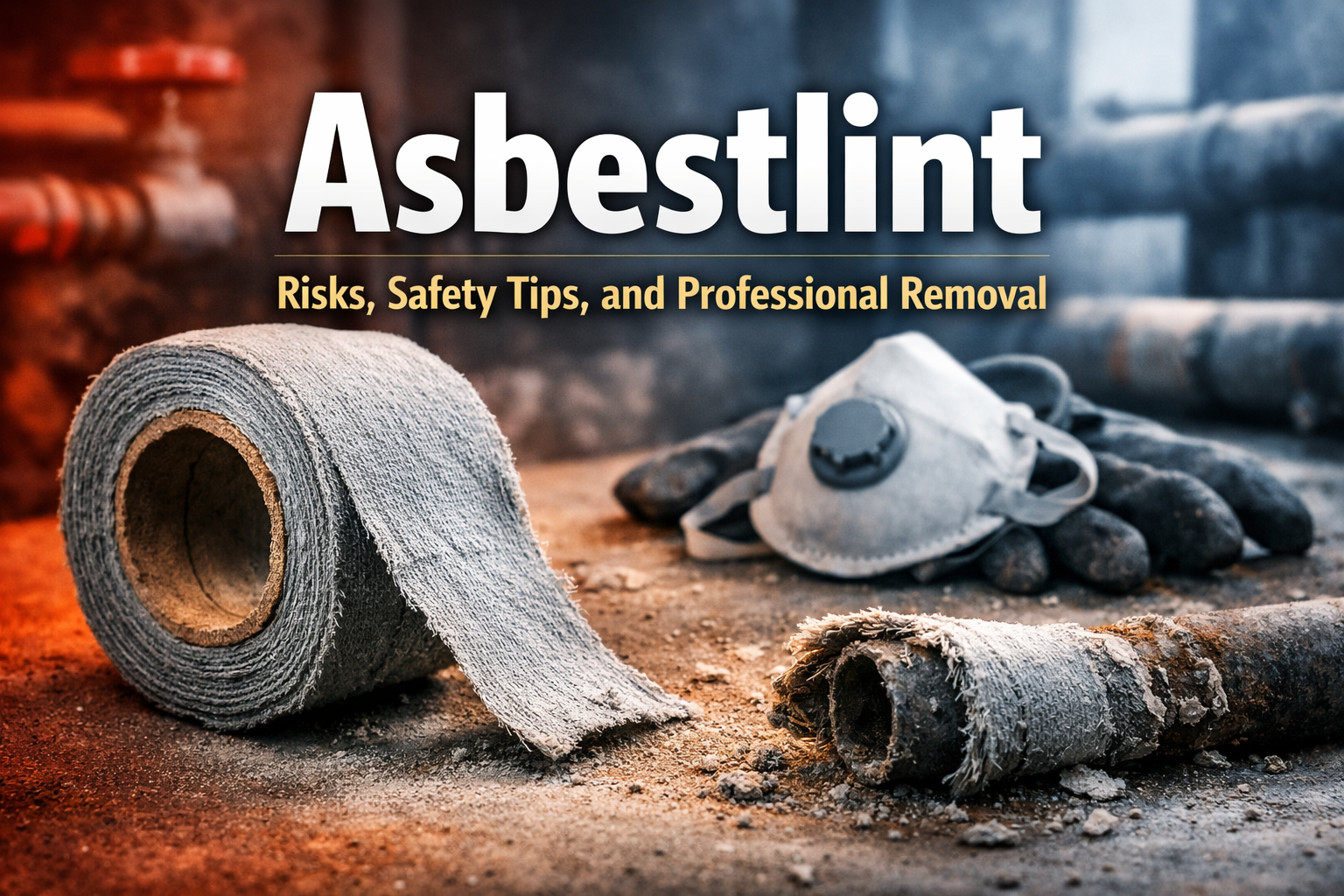
Asbestlint: Risks, Safety Tips, and Professional Removal Guide
What Is Asbestlint and Why You Should Care
Asbestlint is a material often overlooked, yet it can pose serious health risks. Commonly used in building materials for its heat resistance and durability, asbestlint is now strictly regulated. Inhaling fibers from asbestlint can cause serious lung diseases and other long-term health problems.
It’s crucial to identify asbestlint in your home or workplace and handle it safely. Even small exposure over time can have lasting consequences for your health.
The History of Asbestlint
Asbestlint was widely used in the 20th century in construction and insulation. It comes as thin, compressed strips of asbestos fibers and was typically applied for:
- Sealing joints in heating systems and pipelines
- Insulation around boilers, ovens, and other heat sources
- Reinforcing flooring, ceilings, and roof structures
While effective and inexpensive, research later revealed that inhaling fibers from asbestlint can lead to lung cancer, mesothelioma, and asbestosis.
Health Risks of Asbestlint
The primary danger of asbestlint comes from fibers released when the material is damaged or deteriorated. Inhaled fibers can lodge in the lungs, causing serious illnesses over time.
Key risks of asbestlint exposure include:
- Asbestosis: Chronic lung disease limiting breathing
- Mesothelioma: Rare, aggressive cancer affecting the lung lining
- Lung cancer: Long-term exposure increases the risk
The risk is greatest when asbestlint is old, damaged, or disturbed. Undisturbed material poses significantly less danger but should still be treated with caution.
How to Identify Asbestlint
Spotting asbestlint can be challenging, especially when hidden inside walls, pipes, or insulation. Signs that asbestlint may be present include:
- Gray or white tape-like material around pipes or joints
- Brittle or powdery texture on older material
- Found in buildings constructed before 1994, when asbestos use was banned
Professional testing is the safest way to confirm if material contains asbestlint.
Handling Asbestlint Safely
Safety is critical when dealing with asbestlint. Improper handling or removal can release dangerous fibers into the air.
Safety tips for asbestlint:
- Always wear protective clothing, gloves, and a respirator
- Keep the material damp to prevent fibers from becoming airborne
- Avoid cutting, drilling, or burning the tape
Certified professionals follow strict procedures to safely remove asbestlint and prevent contamination.
Should You Remove Asbestlint Yourself or Hire Professionals?
Although DIY removal might seem tempting, experts strongly advise hiring professionals.
Benefits of professional removal include:
- Ensures safety and compliance with regulations
- Minimizes the risk of fiber release
- Proper disposal according to environmental laws
Attempting to remove asbestlint yourself may put you at serious risk of exposure and long-term health problems.
Real-Life Examples of Asbestlint Risks
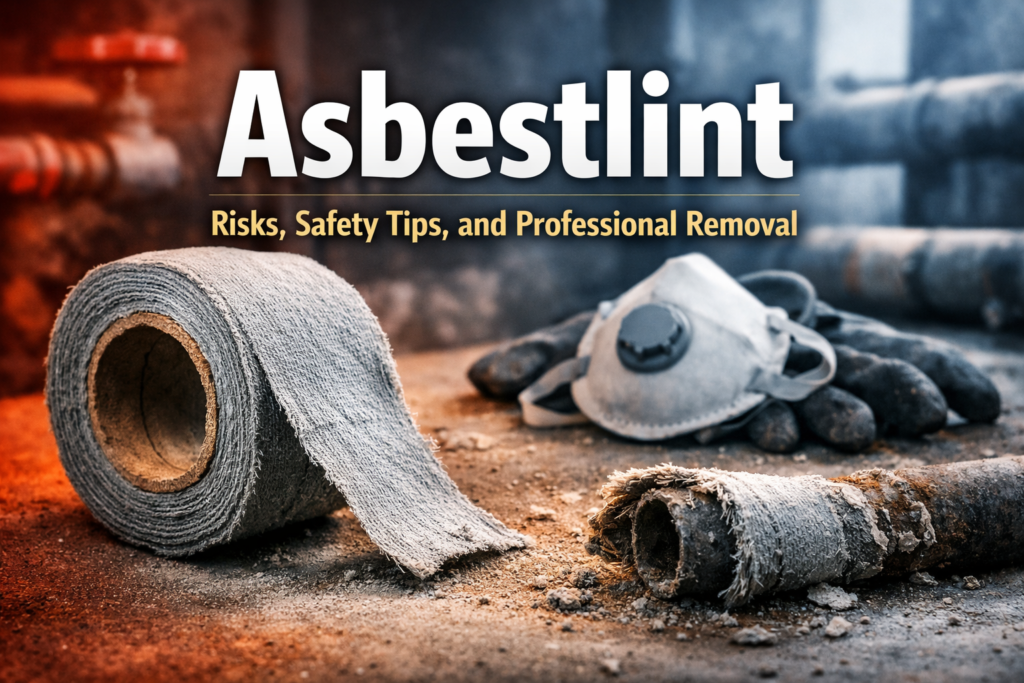
Many homeowners only discover asbestlint during renovations. For example, replacing an old boiler may reveal gray tape under insulation. Calling a certified removal company ensures safety and prevents fibers from entering the air.
In industrial environments, workers exposed to asbestlint over decades often develop chronic lung conditions, underscoring the importance of prevention and proper safety protocols.
Legal Regulations for Asbestlint
In the Netherlands and many other countries, asbestos use has been banned since 1994. However, older buildings may still contain asbestlint.
Key legal rules include:
- Only certified professionals can remove significant amounts of asbestlint
- Small quantities must still be handled carefully according to strict guidelines
- Asbestlint waste must be disposed of as hazardous material
Following these regulations protects health and prevents legal issues or fines.
Prevention Tips for Asbestlint Exposure
- Check older homes for asbestlint before renovations
- Avoid touching or disturbing suspect materials
- Hire certified removal companies for safety
- Ensure proper ventilation during any work in older buildings
Preventive measures can dramatically reduce exposure risk.
Conclusion
Asbestlint is a hidden but serious danger in many older buildings. Recognizing it, handling it safely, and relying on professional removal are essential steps to protect your health. Even small amounts of airborne fibers can be harmful.
Always have certified professionals inspect and remove asbestlint, and take preventive measures when renovating older properties. Being proactive ensures the safety of your family and prevents long-term health complications.
Frequently Asked Questions About Asbestlint
What is asbestlint?
Asbestlint is a tape-like material made of asbestos fibers used for sealing and insulation in buildings.
Can I remove asbestlint myself?
It is strongly discouraged. DIY removal can release dangerous fibers. Always hire a certified company.
How do I know if my home has asbestlint?
Buildings constructed before 1994 may contain asbestlint. Professional testing is the safest way to confirm.
Is asbestlint always dangerous?
Undisturbed asbestlint poses lower risk. The danger arises when fibers are released into the air.
How is asbestlint disposed of?
Asbestlint must be treated as hazardous waste and handled by certified companies according to environmental regulations.