
Introduction
Foenegriek, commonly known as fenugreek, is a small herb with a big reputation. Used for centuries in cooking, traditional remedies, and wellness practices, foenegriek continues to gain attention for its natural health benefits. From supporting digestion to balancing blood sugar and enhancing overall vitality, this humble seed has earned its place in kitchens and natural health routines around the world.
Today, modern research is catching up with traditional wisdom, helping us understand why foenegriek has remained relevant for so long. In this guide, you’ll learn what foenegriek is, its nutritional profile, proven benefits, practical uses, and how to include it safely in your daily life.
What Is Foenegriek (Fenugreek)?
Foenegriek is an herb scientifically known as Trigonella foenum-graecum. It belongs to the legume family and is native to parts of South Asia, the Middle East, and the Mediterranean region. The plant produces green leaves and small golden-brown seeds, both of which are widely used.
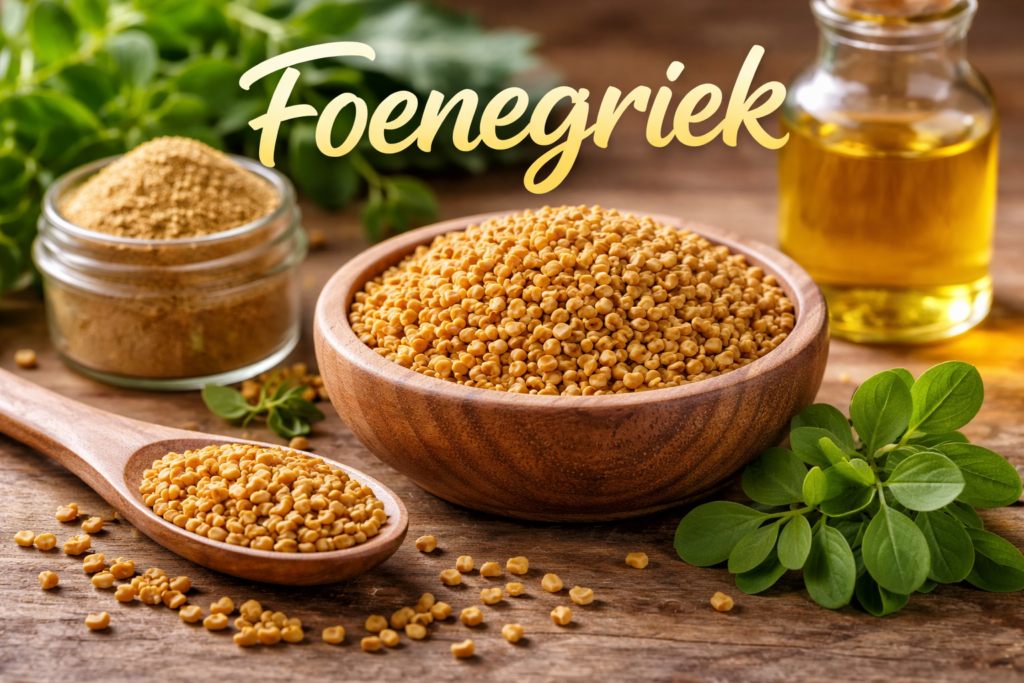
In everyday life, foenegriek appears in three main forms: seeds, leaves, and powder. The seeds have a slightly bitter, nutty flavor, while the leaves are often used fresh or dried in cooking. Across cultures, foenegriek is valued not only for taste but also for its medicinal properties.
Nutritional Value of Foenegriek
One of the reasons foenegriek is so beneficial lies in its impressive nutritional profile. It contains a combination of fiber, plant compounds, and essential nutrients that support overall health.
Foenegriek is particularly rich in soluble fiber, which plays a role in digestion and blood sugar regulation. It also provides iron, magnesium, potassium, and vitamin B6. In addition, fenugreek seeds contain natural compounds such as saponins and antioxidants that contribute to their health-supporting properties.
Because of this nutrient density, even small amounts of foenegriek can add value to a balanced diet.
Health Benefits of Foenegriek
Supports Healthy Digestion
Foenegriek has long been used to soothe digestive discomfort. Its fiber content helps improve bowel regularity and supports gut health. Many people use fenugreek water or soaked seeds to ease bloating and mild constipation.
In real-life practice, individuals who consume foenegriek regularly often report improved digestion, especially when combined with a fiber-rich diet.
Helps Regulate Blood Sugar Levels
One of the most researched benefits of foenegriek is its role in blood sugar control. The soluble fiber slows down carbohydrate digestion and sugar absorption in the body. Some studies suggest that regular consumption of foenegriek may help maintain stable glucose levels.
For people trying to manage energy levels throughout the day, adding small amounts of fenugreek to meals can make a noticeable difference.
Supports Heart Health
Foenegriek contributes to heart health by helping manage cholesterol levels. The fiber and plant compounds found in fenugreek may reduce the absorption of bad cholesterol while supporting healthy lipid balance.
When used as part of a heart-conscious lifestyle that includes exercise and mindful eating, foenegriek can play a supportive role.
May Aid Weight Management
Because foenegriek is high in fiber, it promotes a feeling of fullness. This can help reduce unnecessary snacking and support portion control. Many people include fenugreek tea or seeds in the morning to help manage appetite naturally.
While it is not a quick solution, foenegriek can support long-term weight goals when paired with healthy habits.
Supports Hormonal Balance
Traditionally, foenegriek has been used to support hormonal health. It is commonly associated with menstrual comfort and overall reproductive wellness. Some natural health practitioners recommend fenugreek for easing mild hormonal discomfort due to its plant-based compounds.
Promotes Skin and Hair Health
Foenegriek is also popular in natural beauty routines. Its antioxidant and anti-inflammatory properties make it useful for supporting clear skin and healthy hair. Many people use fenugreek paste or water as part of homemade hair masks to reduce dryness and improve shine.
Common Uses of Foenegriek in Daily Life
Foenegriek is versatile and easy to incorporate into everyday routines. It is widely used in cooking, home remedies, and wellness practices.
In the kitchen, fenugreek seeds are often added to curries, lentils, and spice blends. The leaves are used in savory dishes for added flavor and aroma.
For wellness purposes, people commonly use foenegriek in these simple ways:
- Soaking seeds overnight and drinking the water in the morning
- Adding fenugreek powder to smoothies or warm water
- Using fenugreek paste for skin or hair care
These methods allow people to enjoy the benefits of foenegriek without complicated preparation.
How to Use Foenegriek Safely
While foenegriek is generally safe for most people, moderation is key. Consuming excessive amounts may lead to digestive discomfort or mild side effects.
It is best to start with small quantities and observe how your body responds. For example, using half a teaspoon of fenugreek seeds daily is often enough to experience benefits.
If you are pregnant, breastfeeding, or managing a medical condition, it is wise to consult a qualified health professional before using foenegriek regularly.
Foenegriek in Traditional and Modern Wellness
For centuries, foenegriek has been part of traditional wellness systems across Asia and the Middle East. It was valued for its warming properties and ability to support overall balance in the body.
Today, modern research continues to explore its benefits. Scientific interest in fenugreek has grown due to its natural compounds and potential role in supporting metabolic and digestive health. This blend of tradition and science adds credibility to foenegriek as a trusted natural ingredient.
Choosing High-Quality Foenegriek
To get the most benefit, quality matters. When buying foenegriek seeds or powder, look for products that are fresh, clean, and free from additives. Whole seeds tend to retain their potency longer than powdered forms.
Storing fenugreek in an airtight container away from heat and moisture helps preserve its flavor and nutritional value.
Conclusion
Foenegriek is more than just a spice. It is a time-tested herb with real benefits for digestion, heart health, blood sugar balance, and overall well-being. Its versatility makes it easy to include in meals, drinks, and self-care routines without major lifestyle changes.
If you’re looking for a natural way to support your health using simple, traditional ingredients, foenegriek is worth considering. Start small, stay consistent, and let this powerful seed become part of your daily wellness routine.
Take action today: add foenegriek to your kitchen or wellness habits and experience its benefits naturally.
Frequently Asked Questions About Foenegriek
What is foenegriek used for?
Foenegriek is used to support digestion, regulate blood sugar, promote heart health, and enhance skin and hair care.
How should foenegriek be consumed daily?
It can be consumed as soaked seeds, powder mixed with water, or added to food in small amounts.
Is foenegriek safe for long-term use?
Yes, when used in moderation, foenegriek is generally safe for long-term use for most people.
Can foenegriek help with digestion?
Foenegriek’s fiber content supports digestion and may help reduce bloating and irregularity.
Are there any side effects of foenegriek?
Excessive intake may cause mild digestive discomfort. Starting with small amounts is recommended.
One Response