
Pappedeckel: A Practical Guide to Uses, Benefits, and Sustainability in Modern Packaging
Introduction
Pappedeckel may sound like a simple material, but it plays a surprisingly important role in everyday life. From packaging and bookbinding to crafts and industrial uses, this sturdy cardboard material quietly supports modern commerce and creativity. As businesses and consumers move toward more sustainable solutions, interest in Pappedeckel has grown steadily.
This guide explores what Pappedeckel is, how it is used, why it matters for sustainability, and how it compares to other materials. Whether you are a business owner, designer, student, or environmentally conscious consumer, understanding Pappedeckel can help you make smarter choices.
What Is Pappedeckel?
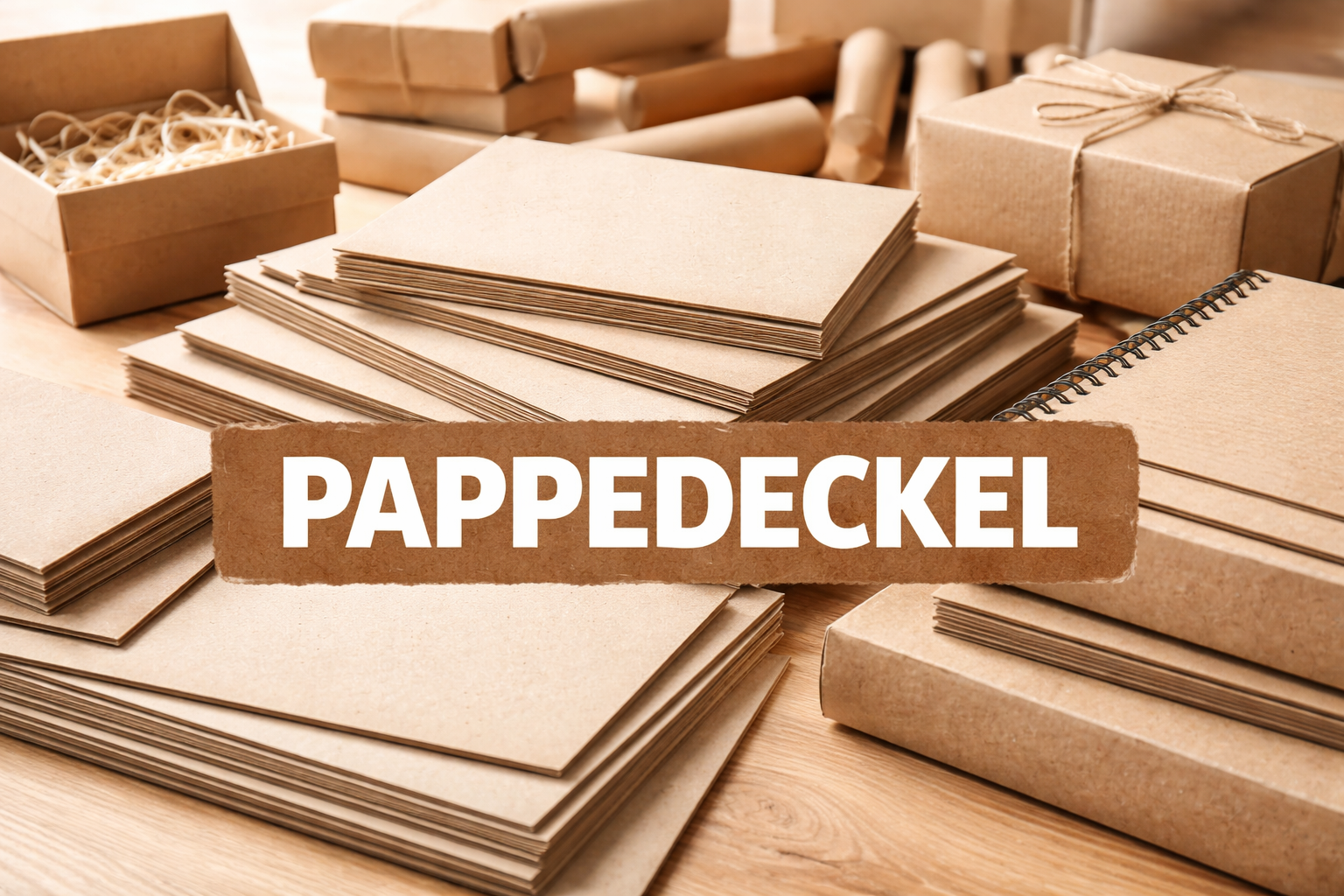
Pappedeckel is a thick, rigid cardboard made from compressed paper fibers. It is stronger than standard paperboard and lighter than wood-based boards. The material is commonly produced from recycled paper, which makes it both practical and environmentally friendly.
Unlike thin carton board used for food boxes, Pappedeckel offers higher density and strength. This allows it to hold shape under pressure while remaining easy to cut, print, or laminate.
Key Characteristics of Pappedeckel
- High stiffness and durability
- Lightweight compared to wood panels
- Easy to recycle and reuse
- Suitable for printing and surface finishing
These qualities explain why it is widely used across multiple industries.
Common Uses of Pappedeckel
Pappedeckel is valued for its flexibility in both commercial and creative fields. It can be found in products we interact with daily, often without noticing.
Packaging and Product Protection
One of the most common uses of Pappedeckel is protective packaging. It provides structure and support for items during transport and storage.
Businesses use it for:
- Rigid packaging boxes
- Product separators and inserts
- Protective backing for fragile goods
For example, electronics manufacturers often use Pappedeckel inserts to prevent movement inside boxes during shipping.
Bookbinding and Printing
In publishing, Pappedeckel is a trusted material for hardcover books, notebooks, and folders. It gives books their firm structure while keeping production costs reasonable.
Printers prefer it because it:
- Holds glue and fabric covers well
- Maintains shape over time
- Supports high-quality finishes
Crafts, Art, and DIY Projects
Artists and hobbyists use Pappedeckel for model making, scrapbooking, and display boards. Its clean edges and strength make it ideal for creative work.
Students often use it for school projects because it is affordable, safe to handle, and easy to cut.
Why Pappedeckel Is Important for Sustainability
Sustainability is no longer optional. Pappedeckel fits well into eco-friendly production models, especially when compared to plastic or mixed-material alternatives.
Made from Recycled Materials
Most Pappedeckel is produced using recycled paper fibers. This reduces the demand for virgin raw materials and lowers energy consumption during manufacturing.
According to packaging industry data, recycled cardboard uses significantly less water and energy than producing new paper products. This makes Pappedeckel a strong choice for companies aiming to reduce their environmental footprint.
Fully Recyclable and Biodegradable
Unlike plastic-based packaging, Pappedeckel can be recycled multiple times. When disposed of correctly, it breaks down naturally without releasing harmful substances into the environment.
This aligns well with circular economy principles, where materials are reused rather than discarded.
Pappedeckel vs Other Packaging Materials
Choosing the right material depends on use, cost, and environmental impact. Pappedeckel often stands out as a balanced option.
Compared to Plastic
Plastic offers water resistance but creates long-term waste problems. Pappedeckel, while less water-resistant, is easier to recycle and safer for the environment.
Many brands now replace plastic inserts with coated or layered Pappedeckel to reduce plastic use without sacrificing protection.
Compared to Wood-Based Boards
Wood fiber boards are strong but heavier and more expensive. Pappedeckel provides enough strength for most packaging needs at a lower cost and weight.
This reduces shipping expenses and carbon emissions during transport.
Real-Life Business Applications
Pappedeckel is not just a theoretical eco-solution. Many industries rely on it daily.
Retail and E-Commerce
Online retailers use rigid cardboard packaging to protect products and improve unboxing experiences. A well-designed Pappedeckel box feels premium while staying sustainable.
Food and Beverage Industry
While direct food contact requires special coatings, Pappedeckel is often used for outer packaging, sleeves, and supports. It provides stability and branding space without unnecessary plastic.
Office and Industrial Use
From file folders to technical separators, Pappedeckel supports organization and protection in professional environments.
Design and Customization Options
One reason for the popularity of Pappedeckel is how easily it can be customized. It works well with modern printing and finishing techniques.
Designers can:
- Print logos and text directly on the surface
- Apply fabric, paper, or laminate coverings
- Cut precise shapes using machines or hand tools
This flexibility allows brands to combine function with strong visual identity.
How to Choose the Right Pappedeckel
Not all Pappedeckel is the same. Thickness, density, and surface treatment matter.
When selecting Pappedeckel, consider:
- Weight and strength requirements
- Exposure to moisture or pressure
- Printing and finishing needs
For shipping heavier items, thicker boards provide better support. For display or books, smoother surfaces offer better print quality.
Challenges and Limitations
While Pappedeckel has many advantages, it is not perfect.
Its main limitations include sensitivity to moisture and lower strength compared to metal or plastic in extreme conditions. However, surface coatings and smart design often solve these issues.
Understanding these limits helps businesses use Pappedeckel effectively without unrealistic expectations.
Future of Pappedeckel in Packaging
As sustainability regulations tighten worldwide, demand for recyclable materials continues to rise. Pappedeckel is expected to remain a key player in eco-conscious packaging strategies.
Innovation in coatings and fiber processing is making cardboard more resistant and durable, expanding its use into areas once dominated by plastic.
Frequently Asked Questions (FAQs)
What is Pappedeckel made of?
Pappedeckel is made from compressed paper fibers, often sourced from recycled paper products.
Is Pappedeckel environmentally friendly?
Yes, it is recyclable, biodegradable, and typically produced with lower environmental impact than plastic materials.
Can Pappedeckel be reused?
In many cases, yes. Rigid cardboard boxes and boards can be reused multiple times before recycling.
Is Pappedeckel suitable for heavy products?
It depends on thickness and design. For moderate weight products, it works very well. Extremely heavy items may need reinforced solutions.
How is Pappedeckel different from regular cardboard?
Pappedeckel is thicker and more rigid than standard cardboard, offering greater strength and structural support.
Conclusion
Pappedeckel proves that simple materials can deliver powerful results. Its strength, flexibility, and environmental benefits make it a smart choice for packaging, publishing, and creative projects. As sustainability becomes a priority across industries, this versatile cardboard continues to gain relevance.
If you are looking for a practical, cost-effective, and eco-friendly material, Pappedeckel deserves serious consideration. Explore how it can improve your packaging, reduce waste, and support responsible production today.



One thought on “Pappedeckel: A Practical Guide to Uses, Benefits, and Sustainability in Modern Packaging”