
Growing older does not have to mean giving up independence or living with constant pain. Many seniors stay active, travel, garden, and play with grandchildren well into their later years. One of the biggest reasons? Physical therapy.
Physical therapy for seniors focuses on restoring movement, improving balance, easing chronic aches, and helping people live fuller, safer lives. Whether recovering from surgery, managing arthritis, or simply wanting to move with confidence again, the right therapy plan can make a remarkable difference.
In this guide, you’ll learn how physical therapy supports healthy aging, what treatments look like, and how to decide if it is right for you or a loved one.
What Is Physical Therapy for Seniors?
Physical therapy is a healthcare service that helps people improve strength, flexibility, balance, and overall function through guided exercises and hands-on care. For older adults, treatment is carefully adapted to aging bodies, medical history, and personal goals.
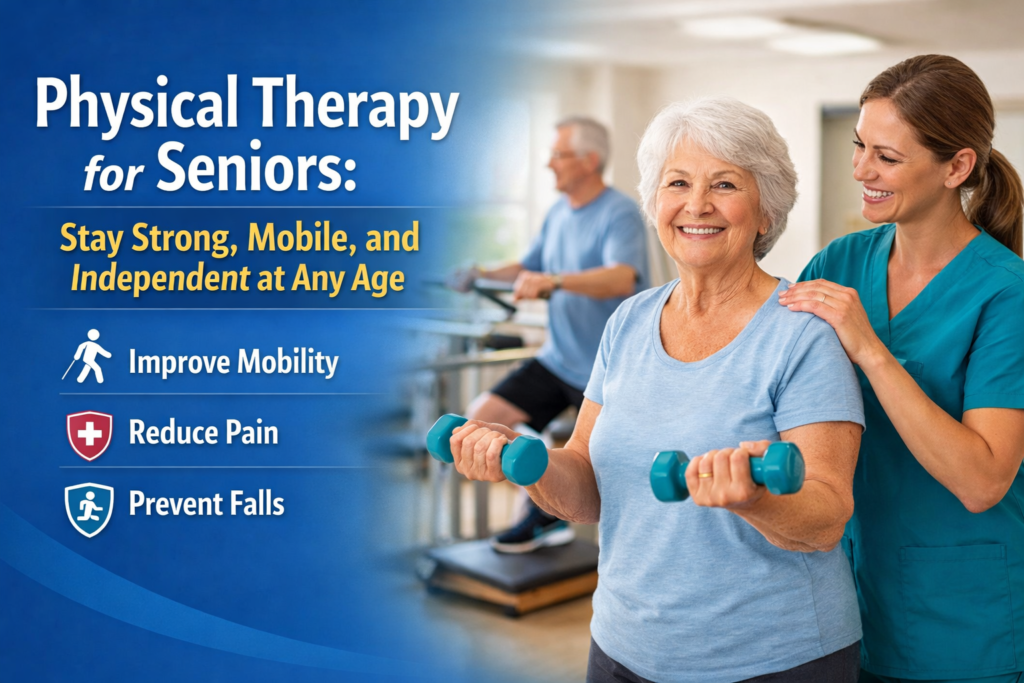
A licensed physical therapist evaluates posture, walking patterns, joint movement, muscle strength, and fall risk. From there, they design a personalized plan that may include therapeutic exercises, stretching, manual therapy, balance training, and education for daily activities.
Unlike general fitness programs, senior-focused Physical Therapy for Seniors is medically informed and goal-driven. It targets real problems such as limited mobility, pain during walking, or difficulty standing from a chair.
Why Physical Therapy Matters More With Age
As people age, natural changes occur in muscles, bones, and joints. Muscle mass tends to shrink, bones may weaken, and reaction time slows. Chronic conditions like arthritis, osteoporosis, heart disease, or diabetes can further affect movement.
Physical therapy helps counter these changes in several important ways:
- Improves strength and endurance for daily tasks
- Reduces joint stiffness and muscle tightness
- Enhances balance and coordination
- Lowers the risk of falls and fractures
- Speeds recovery after surgery or illness
- Supports independence and confidence
According to large public health studies, falls are one of the leading causes of injury among older adults. Structured balance and strength training—core parts of physical therapy—have been shown to significantly reduce fall risk, making therapy both preventive and restorative.
Common Conditions Treated With Senior Physical Therapy
Older adults seek physical therapy for many reasons. Some arrive after an injury, while others want help managing long-term conditions.
Arthritis and Joint Pain
Osteoarthritis is common in knees, hips, shoulders, and hands. Therapy focuses on gentle strengthening, joint mobility, and strategies to reduce stress on painful areas. Many patients report less pain and better function after several weeks of guided care.
Balance Problems and Fall Prevention
Dizziness, weak leg muscles, or nerve issues can affect stability. Therapists use targeted balance exercises, gait training, and home safety advice to help seniors move more confidently.
Post-Surgery Recovery
After hip replacement, knee replacement, or spinal surgery, physical therapy is essential. It helps restore motion, rebuild strength, and ensure safe walking and stair use.
Stroke or Neurological Conditions
Therapy supports relearning movements, improving coordination, and maximizing independence after a stroke or with conditions such as Parkinson’s disease.
Chronic Back or Neck Pain
Age-related spinal changes can lead to long-lasting discomfort. Physical therapists teach posture correction, core strengthening, and safe movement patterns to reduce flare-ups.
What Happens During a Typical Session?
A first visit usually begins with a thorough evaluation. The therapist asks about medical history, medications, daily activities, and personal goals. They may test walking speed, balance, range of motion, and strength.
From there, sessions often include:
- Guided exercises to build strength and flexibility
- Balance and walking drills
- Gentle hands-on techniques to ease stiffness
- Breathing and posture training
- Education on safe movement at home
Most programs run one to three times per week, depending on needs and physician recommendations. Progress is tracked, and exercises change as abilities improve.
Real-Life Example: Regaining Confidence After a Fall
Consider Margaret, a 74-year-old retiree who slipped in her kitchen and fractured her wrist. After healing, she felt unsteady and avoided walking outside alone. Her doctor referred her to physical therapy.
Over eight weeks, Margaret practiced leg strengthening, balance exercises, and safe ways to get up from a chair. She also learned how to navigate curbs and uneven sidewalks. By the end of treatment, she reported feeling steadier and returned to her daily neighborhood walks—something she once feared doing again.
Stories like this are common. The combination of physical progress and renewed confidence often has a powerful effect on quality of life.
How Physical Therapy Supports Independence
One of the main goals of senior physical therapy is helping people stay in their own homes safely. Therapists focus on practical tasks such as climbing stairs, carrying groceries, or getting in and out of bed.
They may also suggest simple home changes, like adding grab bars in the bathroom, improving lighting, or rearranging furniture to clear walking paths. These small adjustments, paired with stronger muscles and better balance, can greatly reduce injury risk.
Tips for Getting the Most Out of Therapy
Success depends on teamwork between the patient and therapist. A few habits make a big difference:
- Attend sessions regularly and arrive on time
- Practice prescribed home exercises consistently
- Share any pain, dizziness, or concerns right away
- Wear comfortable clothing and supportive shoes
- Set realistic goals and celebrate progress
Staying engaged helps ensure improvements last long after formal sessions end.
Choosing the Right Physical Therapist
Look for a licensed professional with experience working with older adults. Many clinics highlight geriatric rehabilitation, fall prevention programs, or post-surgical care for seniors.
When selecting a provider, consider:
- Credentials and state licensure
- Experience with similar conditions
- Clear communication and patience
- Convenient location or home-visit options
- Positive patient reviews
A good therapist listens carefully and adapts treatment to changing needs.
The Emotional and Social Benefits
Physical therapy is not only about muscles and joints. Many seniors notice mood improvements as they become more active. Regular movement releases endorphins, which can ease stress and mild depression.
Therapy sessions also provide social interaction and encouragement. Feeling supported and capable again can restore motivation and a sense of control over health.
FAQs About Physical Therapy for Seniors
Is physical therapy safe for older adults?
Yes. When provided by a licensed professional, physical therapy is very safe and tailored to each person’s health status, mobility level, and medical conditions.
Do I need a doctor’s referral?
In many places, you can see a physical therapist directly, though some insurance plans require a referral. It is always wise to check coverage details first.
How long does physical therapy usually last?
Programs vary. Some people attend for a few weeks after surgery, while others continue longer for chronic issues. Progress and goals guide the timeline.
Can physical therapy really prevent falls?
Yes. Strength and balance training are proven to reduce fall risk in older adults, especially when combined with home safety education.
What if exercises cause discomfort?
Mild soreness can be normal when starting new movements, but sharp or lasting pain should be reported right away. Therapists adjust routines to stay safe.
Can therapy be done at home?
Many clinics offer home-based physical therapy for seniors who have trouble traveling. Therapists bring equipment and adapt exercises to the home environment.
Conclusion: Take the First Step Toward Better Movement
Physical therapy for seniors is one of the most effective ways to stay mobile, reduce pain, and protect independence as the years go by. With personalized care, steady practice, and professional guidance, many older adults regain abilities they thought were lost for good.
If you or a loved one struggles with balance, stiffness, or recovery after injury, consider speaking with a healthcare provider about starting physical therapy. Taking action today can lead to stronger, safer, and more confident tomorrows.