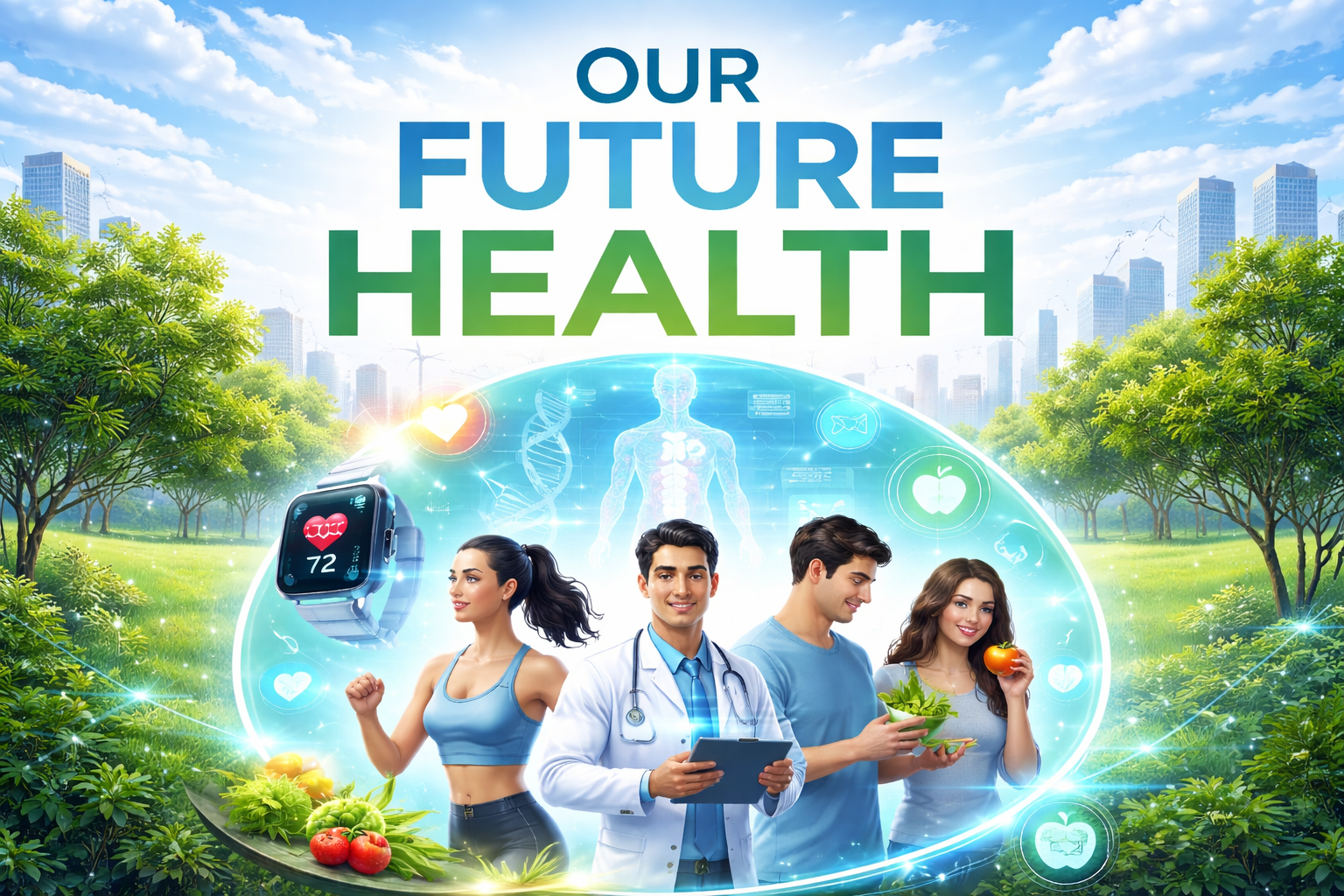
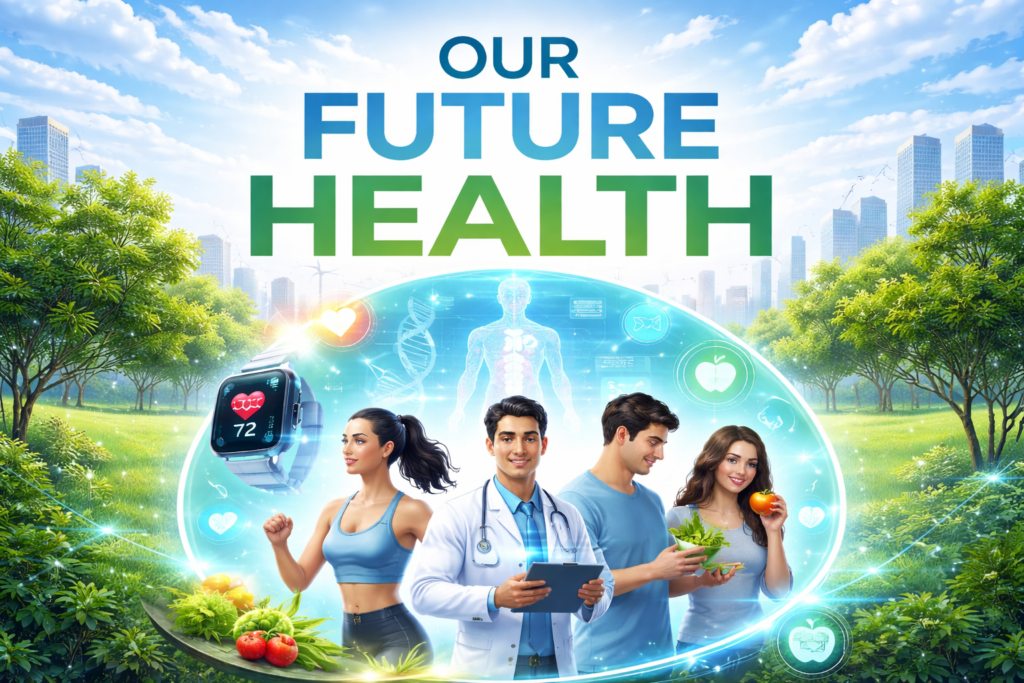
Our Future Health: How Technology, Lifestyle, and Prevention Will Shape a Healthier Tomorrow
Introduction: Why Our Future Health Matters More Than Ever
Our health is no longer just about treating illness when it appears. It’s about predicting risks, preventing disease, and building habits that support a longer, better-quality life. As technology evolves and our understanding of the human body deepens, the future of health is shifting toward smarter, more personalized, and more proactive care.
From wearable devices to mental wellness awareness, our future health will be defined by the choices we make today both as individuals and as a society. Understanding these changes helps us stay ahead, reduce long-term risks, and live healthier lives in a fast-changing world.
The Changing Meaning of Health in the Modern World
From Treatment to Prevention
For decades, healthcare focused mainly on curing disease. Now, the focus is moving toward prevention. Doctors and researchers agree that preventing illness is more effective and less costly than treating it later.
Modern health approaches emphasize:
- Early detection of health risks
- Lifestyle-based disease prevention
- Long-term wellness instead of short-term fixes
This shift is crucial for managing chronic conditions such as diabetes, heart disease, and obesity, which continue to rise globally.
Holistic Health Takes Center Stage
Our future health is not limited to physical fitness. Mental, emotional, and social well-being are now recognized as equally important. Stress, sleep quality, and social connection all directly affect long-term health outcomes.
How Technology Is Shaping Our Future Health
Wearable Devices and Health Tracking
Smartwatches and fitness trackers are no longer just step counters. They monitor heart rate, sleep cycles, oxygen levels, and even stress patterns. These tools help people understand their bodies in real time and make healthier decisions.
Real-life impact:
A person who tracks sleep patterns may discover poor sleep quality and adjust habits, reducing fatigue and improving focus within weeks.
Artificial Intelligence in Healthcare
AI is transforming how diseases are detected and managed. Algorithms can analyze medical data faster than humans, helping doctors identify conditions earlier and personalize treatments.
Examples include:
- Early cancer detection through imaging analysis
- Predictive models for heart disease risk
- Virtual health assistants for routine care
These advancements reduce errors and improve outcomes, especially in areas with limited access to healthcare professionals.
Telemedicine and Remote Care
Remote consultations have made healthcare more accessible than ever. Patients can now speak to doctors from home, saving time and reducing barriers to care.
Telemedicine is especially valuable for:
- Rural communities
- Chronic disease management
- Mental health support
Lifestyle Choices That Will Define Our Health Future
Nutrition as Preventive Medicine
Food is becoming a powerful tool for disease prevention. Diets rich in whole foods, fiber, and essential nutrients are linked to lower risks of chronic illness.
Future-focused nutrition trends include:
- Personalized meal plans based on genetics
- Plant-forward diets for heart and gut health
- Reduced consumption of ultra-processed foods
Small, consistent changes in diet today can significantly improve long-term health outcomes.
Physical Activity Beyond the Gym
Exercise is no longer limited to intense workouts. Movement throughout the day walking, stretching, standing plays a major role in metabolic and cardiovascular health.
Research shows that even 30 minutes of moderate daily activity can:
- Improve heart health
- Reduce stress
- Boost mental clarity
Sleep and Recovery as Health Pillars
Sleep is finally getting the attention it deserves. Poor sleep is linked to weakened immunity, weight gain, and mental health issues. Our future health strategies will prioritize sleep quality as much as diet and exercise.
Mental Health: A Core Part of Future Wellness
Breaking the Stigma
Mental health awareness is growing worldwide. Anxiety, depression, and burnout are now openly discussed, leading to earlier support and better outcomes.
Workplaces, schools, and healthcare systems are integrating mental wellness programs to support emotional resilience.
Digital Mental Health Tools
Apps and online platforms now offer:
- Guided meditation
- Cognitive behavioral therapy tools
- Mood tracking and stress management
These tools make mental health support more accessible and affordable, especially for younger generations.
Preventive Healthcare and Early Detection
Personalized Health Assessments
The future of health lies in personalization. Genetic testing and advanced screenings can identify individual risks, allowing tailored prevention plans.
For example, someone with a family history of heart disease may receive early lifestyle guidance, reducing future complications.
Community and Public Health Initiatives
Governments and organizations are investing more in public health education, clean environments, and preventive programs. These efforts play a critical role in improving population-wide health outcomes.
Environmental and Social Factors Affecting Our Future Health
Clean Environments, Healthier Lives
Air quality, water safety, and climate conditions directly impact health. Pollution is linked to respiratory and cardiovascular diseases, making environmental protection a health priority.
Social Connections and Longevity
Strong relationships and community support are associated with longer life expectancy and better mental health. Loneliness, on the other hand, increases the risk of chronic illness.
Our future health strategies will increasingly emphasize social well-being alongside physical care.
Preparing Today for a Healthier Tomorrow
Improving future health doesn’t require drastic changes. Small, consistent actions can create powerful long-term benefits:
- Choosing balanced meals
- Staying active daily
- Prioritizing sleep
- Managing stress
- Seeking preventive care
The goal is not perfection, but progress.
Conclusion: Taking Control of Our Future Health
Our future health is being shaped right now by technology, lifestyle choices, and preventive care. The shift toward proactive, personalized, and holistic health offers an incredible opportunity to live longer and better.
By embracing innovation, caring for mental well-being, and making smarter daily choices, we can build a healthier future for ourselves and future generations.
Call to Action:
Start today. Assess your habits, make one positive change, and commit to your long-term well-being. Your future health depends on it.
Frequently Asked Questions (FAQs)
What does “future health” mean?
Future health refers to a proactive approach to well-being that focuses on prevention, personalized care, and long-term wellness rather than just treating illness.
How will technology improve our health in the future?
Technology will enable early disease detection, personalized treatment plans, remote healthcare access, and real-time health monitoring.
Why is mental health important for future wellness?
Mental health directly affects physical health, productivity, and quality of life. Addressing it early helps prevent long-term complications.
Can lifestyle changes really impact long-term health?
Yes. Consistent habits related to diet, exercise, sleep, and stress management significantly reduce the risk of chronic diseases.
What is the most important step to protect future health?
Awareness and prevention. Regular checkups, healthy routines, and early action are key to maintaining long-term health.