Bump on Gums: Causes, Symptoms, Treatment, and When to Worry
Introduction
Have you ever felt a small bump on your gums while brushing or eating and wondered if it was something serious? You’re not alone. A bump on gums is a common oral issue that many people experience at least once in their lives. Sometimes it’s painless and disappears on its own. Other times, it can be uncomfortable, alarming, or even painful.
The truth is, gum bumps can have many causes, ranging from minor irritation to infections that need professional care. Understanding what’s behind the bump can help you take the right action and protect your oral health. This guide breaks down everything you need to know in clear, simple language so you can make informed decisions with confidence.
What Is a Bump on Gums?
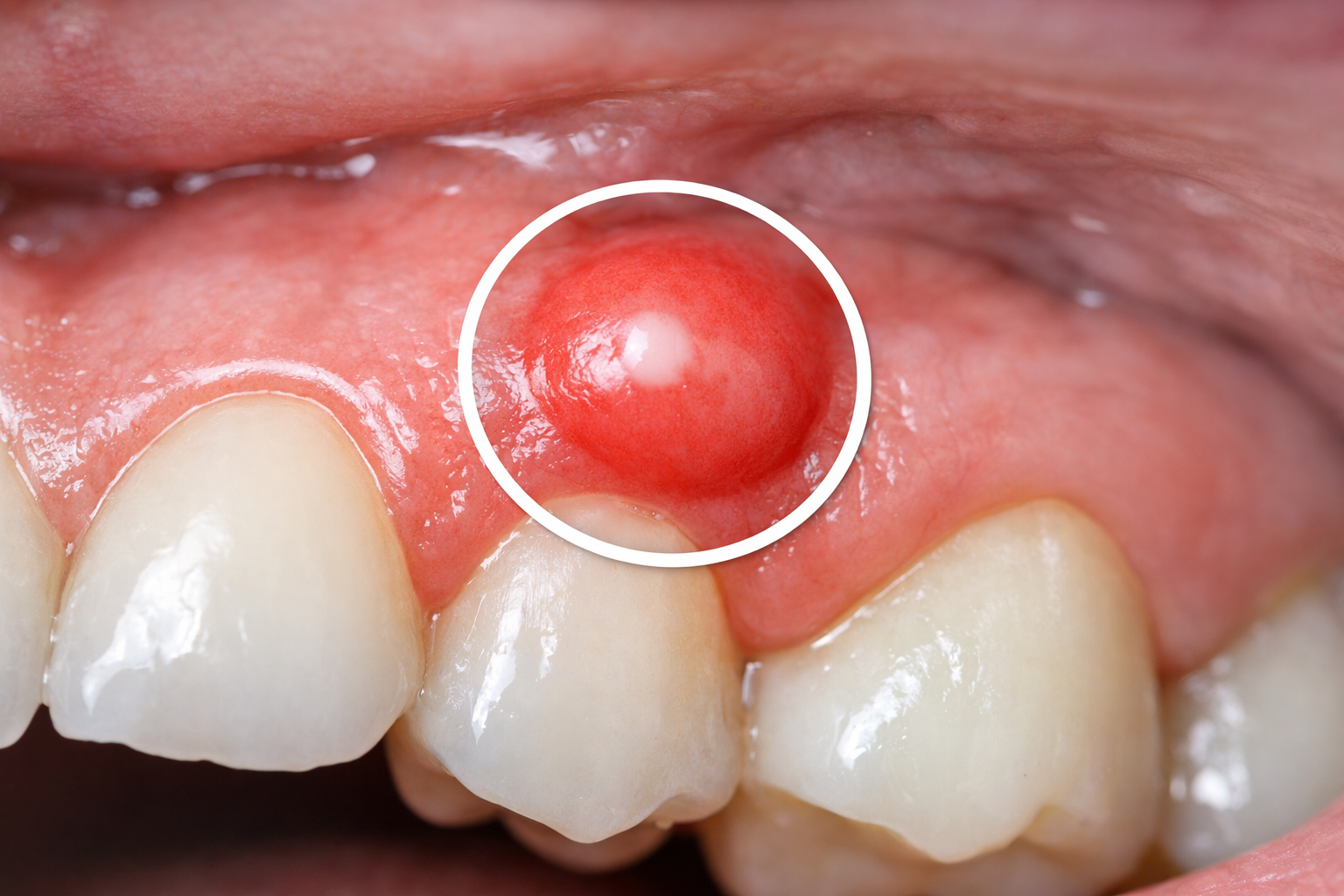
A bump on gums is any raised area, swelling, or lump that appears on the gum tissue around your teeth. It may look red, white, yellow, or match the color of your gums. Some bumps are soft and tender, while others feel firm or hard.
These bumps can appear suddenly or develop slowly over time. They may be painless or come with symptoms like bleeding, sensitivity, or bad breath. The key is to observe changes and understand what your body is trying to tell you.
Common Causes of a Bump on Gums
Gum Abscess
A gum abscess is one of the most common and concerning causes of a gum bump. It forms when bacteria infect the gum tissue, often due to trapped food particles, untreated cavities, or gum disease. The bump may be filled with pus and can be painful, especially when chewing.
People often describe a throbbing sensation or pressure near the affected tooth. In some cases, the abscess may burst, releasing a foul-tasting fluid into the mouth.
Canker Sores
Canker sores are small, shallow lesions that can develop on the gums as well as inside the cheeks or lips. They are not contagious and often appear after stress, minor injury, or nutritional deficiencies.
These sores usually look white or yellow with a red border and can feel sore or burning. The good news is that they typically heal on their own within one to two weeks.
Gingivitis and Gum Disease
Inflamed gums caused by plaque buildup can lead to swelling that feels like a bump. Early-stage gum disease, known as gingivitis, often causes redness, bleeding, and tenderness along the gum line.
If left untreated, this inflammation can worsen and contribute to more serious gum problems. Regular brushing and professional cleanings play a major role in prevention.
Oral Cysts
Oral cysts are fluid-filled sacs that develop beneath the gum tissue. They are usually painless and grow slowly, which means they often go unnoticed at first. Some cysts are linked to impacted teeth or developmental issues.
While many cysts are benign, they should still be examined by a dental professional to rule out complications.
Trauma or Irritation
Accidentally brushing too hard, using a sharp dental tool, or eating hard foods can irritate the gums. This irritation may cause localized swelling that feels like a bump.
These bumps often improve once the source of irritation is removed and the gums are given time to heal.
Hormonal Changes
Hormonal fluctuations during pregnancy, puberty, or menopause can increase gum sensitivity. Some people develop pregnancy-related gum growths that appear as soft bumps.
These usually resolve after hormone levels stabilize but should still be monitored by a dentist.
Symptoms That Often Appear with Gum Bumps
Not all gum bumps feel the same. Paying attention to symptoms can help identify the cause.
Common signs include:
- Pain or tenderness when chewing
- Redness or swelling in the gum area
- Bleeding while brushing or flossing
- A bad taste or persistent bad breath
- Sensitivity to hot or cold foods
If the bump grows rapidly or comes with fever or facial swelling, it may indicate a more serious infection.
When a Bump on Gums Is a Serious Concern
Most gum bumps are harmless, but some situations need immediate attention. You should see a dentist if the bump:
- Lasts longer than two weeks
- Is very painful or worsening
- Releases pus or blood
- Causes difficulty eating or speaking
- Is accompanied by fever or swollen lymph nodes
Early diagnosis can prevent complications and protect surrounding teeth and bone.
How Dentists Diagnose Gum Bumps
A dentist will begin with a visual and physical examination of your gums and teeth. They may ask about pain, duration, and recent dental habits. In some cases, dental X-rays are used to check for hidden infections or bone involvement.
Accurate diagnosis is essential because treatments vary widely depending on the cause.
Treatment Options for a Bump on Gums
Professional Dental Treatment
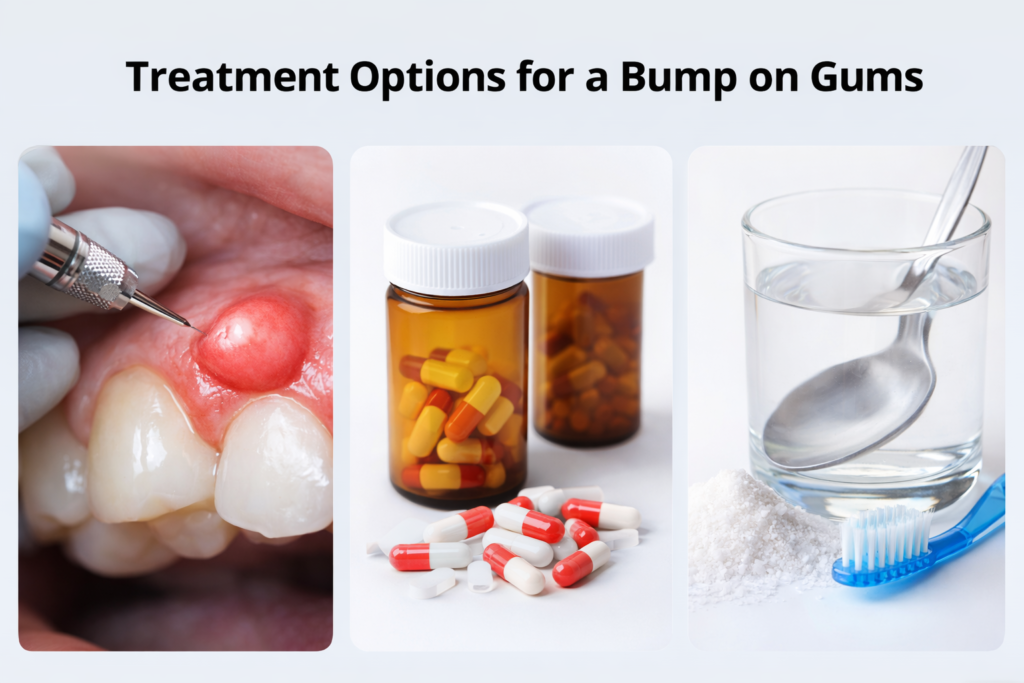
Treatment depends on what’s causing the bump. For infections, dentists may clean the affected area and prescribe antibiotics. Abscesses often require drainage to remove trapped bacteria.
If gum disease is the cause, a deep cleaning procedure may be recommended to remove plaque and tartar buildup below the gum line.
At-Home Care and Relief
For minor irritation or sores, gentle home care can help relieve discomfort:
- Rinse with warm salt water to reduce bacteria
- Use a soft-bristled toothbrush
- Avoid spicy or acidic foods
- Maintain consistent oral hygiene
These steps support healing but should not replace professional care when symptoms persist.
Can a Bump on Gums Go Away on Its Own?
Yes, some gum bumps disappear without treatment, especially those caused by mild irritation or canker sores. However, bumps linked to infection or gum disease rarely resolve on their own.
Ignoring a persistent bump can allow the underlying problem to worsen. When in doubt, a dental checkup is always the safer choice.
Preventing Gum Bumps in the Future
Good oral habits are the foundation of gum health. Simple daily practices can significantly reduce the risk of developing gum bumps.
Focus on:
- Brushing twice daily with proper technique
- Flossing to remove trapped food particles
- Scheduling regular dental checkups
- Avoiding tobacco products
These habits not only prevent gum bumps but also protect your overall oral health.
Real-Life Example: Why Early Care Matters
Consider a patient who noticed a small, painless bump near a molar and ignored it for months. Over time, the bump became painful and swollen. A dental visit revealed a deep gum abscess that required drainage and antibiotics.
If treated earlier, the infection would have been simpler to manage. This highlights why early attention can save time, discomfort, and cost.
FAQs About Bump on Gums
Is a bump on gums always an infection?
No. While infections are common causes, bumps can also result from irritation, hormonal changes, or minor sores.
Can stress cause bumps on gums?
Stress can weaken the immune system, making canker sores and gum inflammation more likely.
Are gum bumps linked to oral cancer?
Most gum bumps are benign. However, any unexplained lump that doesn’t heal should be evaluated by a professional.
Can poor oral hygiene cause gum bumps?
Yes. Plaque buildup can lead to gum inflammation, infections, and abscesses.
Should I pop a gum bump at home?
No. Popping a bump can spread infection and worsen the condition. Always seek professional advice.
Conclusion: Take Gum Bumps Seriously, but Don’t Panic
A bump on gums can feel alarming, but in many cases, it’s manageable with proper care. The key is paying attention to changes and acting early. Whether the cause is irritation, infection, or gum disease, timely treatment leads to better outcomes and peace of mind.
If you notice a persistent or painful bump, don’t ignore it. Schedule a dental checkup, maintain good oral hygiene, and give your gums the care they deserve. Healthy gums are not just about your smile they’re an essential part of your overall well-being.