
Introduction
In today’s health-conscious world, the term “nutrition geek” is more than just a catchy phrase it’s a lifestyle. Nutrition geeks dive deep into the science of food, understanding not just what to eat but why it works for the body. From macronutrients and micronutrients to the impact of gut health, these enthusiasts turn complex nutritional science into actionable habits.
Whether you’re looking to optimize energy, improve mental clarity, or just eat more mindfully, learning from nutrition geeks can transform your relationship with food.
Who Are Nutrition Geeks?
Nutrition geeks are individuals passionate about the science behind food and its effect on the human body. Unlike casual health enthusiasts, they explore research studies, track nutrient intake, and experiment with different diets to maximize wellness.
Some common traits of nutrition geeks include:
- A love for research and data, often reading studies or analyzing nutritional labels.
- Experimenting with diets such as plant-based, ketogenic, or intermittent fasting to understand their personal impact.
- Tracking health metrics like blood sugar, sleep quality, and energy levels.
- Advocating for evidence-based nutrition, avoiding fads and focusing on what’s scientifically proven.
They don’t just follow trends—they understand the “why” behind the choices, making their approach practical and sustainable.
The Science Behind Nutrition Geekery
Nutrition geeks thrive on evidence-based practices. Their approach combines biology, chemistry, and lifestyle science to decode the complex relationship between food and health.
Macronutrients: Fuel for the Body
Macronutrients—proteins, carbohydrates, and fats form the foundation of nutrition geek strategies.
- Proteins are crucial for muscle repair, immunity, and hormone production.
- Carbohydrates are the body’s primary energy source, but quality matters—whole grains and fiber-rich carbs are preferred.
- Fats, once misunderstood, are now recognized for supporting brain health, hormone balance, and heart function.
Micronutrients: The Unsung Heroes
Vitamins and minerals are small in quantity but powerful in effect. Nutrition geeks pay close attention to micronutrient intake because deficiencies can silently affect energy, immunity, and mood.
- Vitamin D for bone health and immunity
- Magnesium for muscle relaxation and nerve function
- Iron for oxygen transport and energy levels
Gut Health: A Core Focus
Emerging research emphasizes the gut microbiome’s role in overall health. Nutrition geeks prioritize fermented foods, prebiotics, and fiber to support a balanced gut, linking digestive health with immunity, mental clarity, and metabolic function.
Real-Life Insights from Nutrition Geeks
Nutrition geeks don’t just theorize they experiment. Here are practical insights they often share:
- Tracking Works: Logging meals can reveal nutrient gaps or patterns that affect energy levels. Even a simple notebook can highlight hidden sugar intake or inadequate protein.
- Personalization is Key: No one diet fits all. Nutrition geeks often try multiple approaches and fine-tune based on results.
- Sleep and Stress Matter: Nutrition isn’t just about food. Sleep, hydration, and stress management directly affect how the body processes nutrients.
- Quality Over Quantity: Choosing nutrient-dense foods like leafy greens, whole grains, and lean proteins—can outweigh strict calorie counting.
For example, Sarah, a nutrition enthusiast, noticed low energy despite eating enough calories. By focusing on iron-rich foods and pairing them with vitamin C sources, she saw a dramatic improvement in stamina and concentration.
How to Think Like a Nutrition Geek
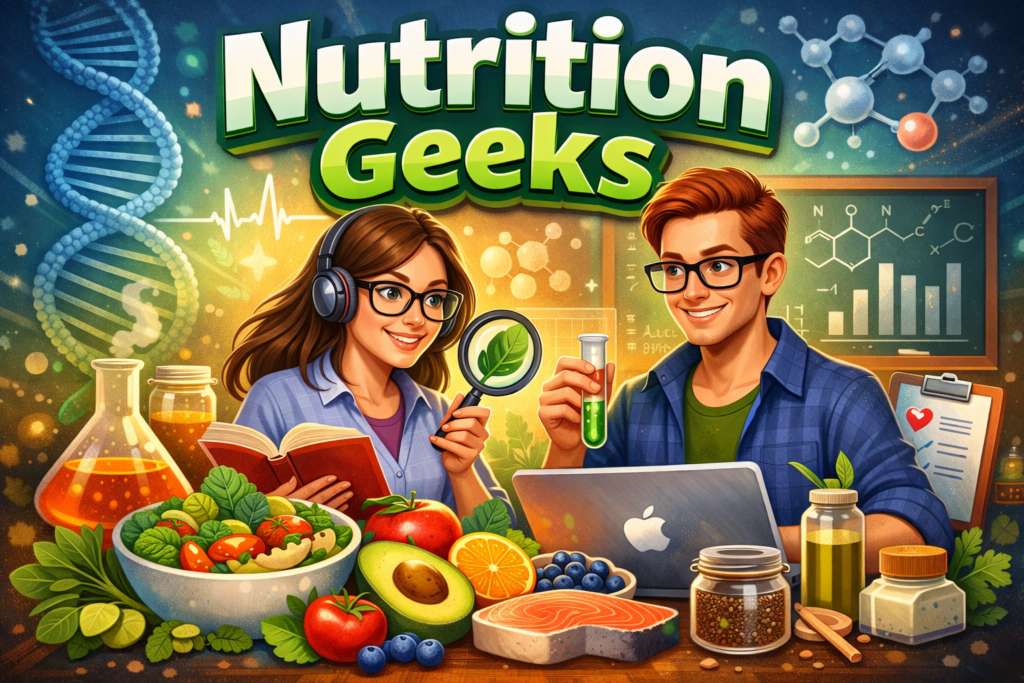
Becoming a nutrition geek doesn’t require a lab or a degree just curiosity and consistent practice.
- Read the Science: Start with credible sources like peer-reviewed journals or reputable nutrition organizations.
- Observe Your Body: Track sleep, digestion, energy, and mood alongside your diet.
- Experiment Safely: Small adjustments like switching from refined carbs to whole grains can reveal what works best.
- Prioritize Food Quality: Focus on minimally processed foods rich in vitamins, minerals, and antioxidants.
- Stay Flexible: Nutrition geeks adapt to new research while maintaining practical habits that suit their lifestyle.
Common Misconceptions About Nutrition Geeks
Even among health-conscious communities, misconceptions persist:
- They Only Eat “Clean” Foods: While nutrient-dense foods are important, nutrition geeks understand balance and occasionally enjoy treats without guilt.
- It’s Expensive: While some nutrient-dense foods can be pricey, clever planning and seasonal produce make geek-level nutrition affordable.
- It’s Complicated: The learning curve exists, but practical, incremental changes lead to sustainable habits rather than complex, restrictive routines.
Benefits of Adopting Nutrition Geek Habits
Embracing a nutrition geek mindset can transform health and lifestyle:
- Improved Energy Levels: Optimized nutrient intake stabilizes blood sugar and energy throughout the day.
- Better Cognitive Function: Certain nutrients, like omega-3 fatty acids, support brain performance.
- Enhanced Immunity: Vitamins, minerals, and a healthy gut strengthen the body’s defenses.
- Weight Management: Mindful eating and nutrient-dense choices naturally support a healthy weight.
- Long-Term Wellness: Evidence-based habits reduce the risk of chronic diseases, promoting longevity and quality of life.
Practical Tips for Everyday Nutrition Geeks
- Start your day with a protein-rich breakfast to sustain energy.
- Include a variety of colorful vegetables to maximize antioxidants.
- Snack smart with nuts, seeds, and fruits instead of processed options.
- Hydrate consistently, aiming for 8–10 cups of water daily, adjusting for activity and climate.
- Use apps or journals to track nutrient intake, identify gaps, and refine habits.
Even small changes, like swapping sugary beverages for water or herbal tea, make a measurable difference over time.
FAQs
1. What does a nutrition geek eat?
A nutrition geek focuses on whole, nutrient-dense foods such as fruits, vegetables, whole grains, lean proteins, nuts, seeds, and fermented products. They balance macronutrients and monitor micronutrient intake.
2. Can anyone become a nutrition geek?
Yes. Becoming a nutrition geek requires curiosity, willingness to learn, and a habit of observing how food affects your body. It’s about consistent, evidence-based choices rather than perfection.
3. Are nutrition geek practices expensive?
Not necessarily. By planning meals, choosing seasonal produce, and focusing on minimally processed foods, anyone can adopt these practices affordably.
4. How do nutrition geeks track their health?
Many use apps, journals, or wearable devices to track food intake, nutrient consumption, sleep, energy levels, and even mood patterns.
5. What is the main goal of being a nutrition geek?
The goal is to understand the science behind food to make informed, sustainable choices that optimize health, energy, and overall well-being.
Conclusion
Nutrition geeks prove that understanding food is as much science as it is art. By observing the body, experimenting safely, and focusing on evidence-based habits, anyone can enhance energy, mental clarity, and long-term health.
Start small: track a few meals, experiment with one dietary change, or incorporate a nutrient-dense snack each day. Over time, these micro-adjustments create a life of smarter eating and better well-being.
Embrace the curiosity of a nutrition geek your body, mind, and health will thank you.