Mastering the Health Triangle: Achieve Balance in Physical, Mental, and Social Wellness
Introduction
Imagine a life where you feel energized, connected, and resilient no matter what challenges arise. That’s the promise of the health triangle, a simple yet powerful framework that emphasizes balancing three key areas: physical health, mental health, and social health. This concept, often introduced in health education, acts like a sturdy foundation for overall wellness. By nurturing each side equally, you can prevent burnout, boost your mood, and build stronger relationships. In this post, we’ll explore what the health triangle is, why it matters, and practical steps to integrate it into your daily routine. Whether you’re a busy professional, a student, or someone seeking more fulfillment, understanding this model can lead to lasting positive changes.
What is the Health Triangle?
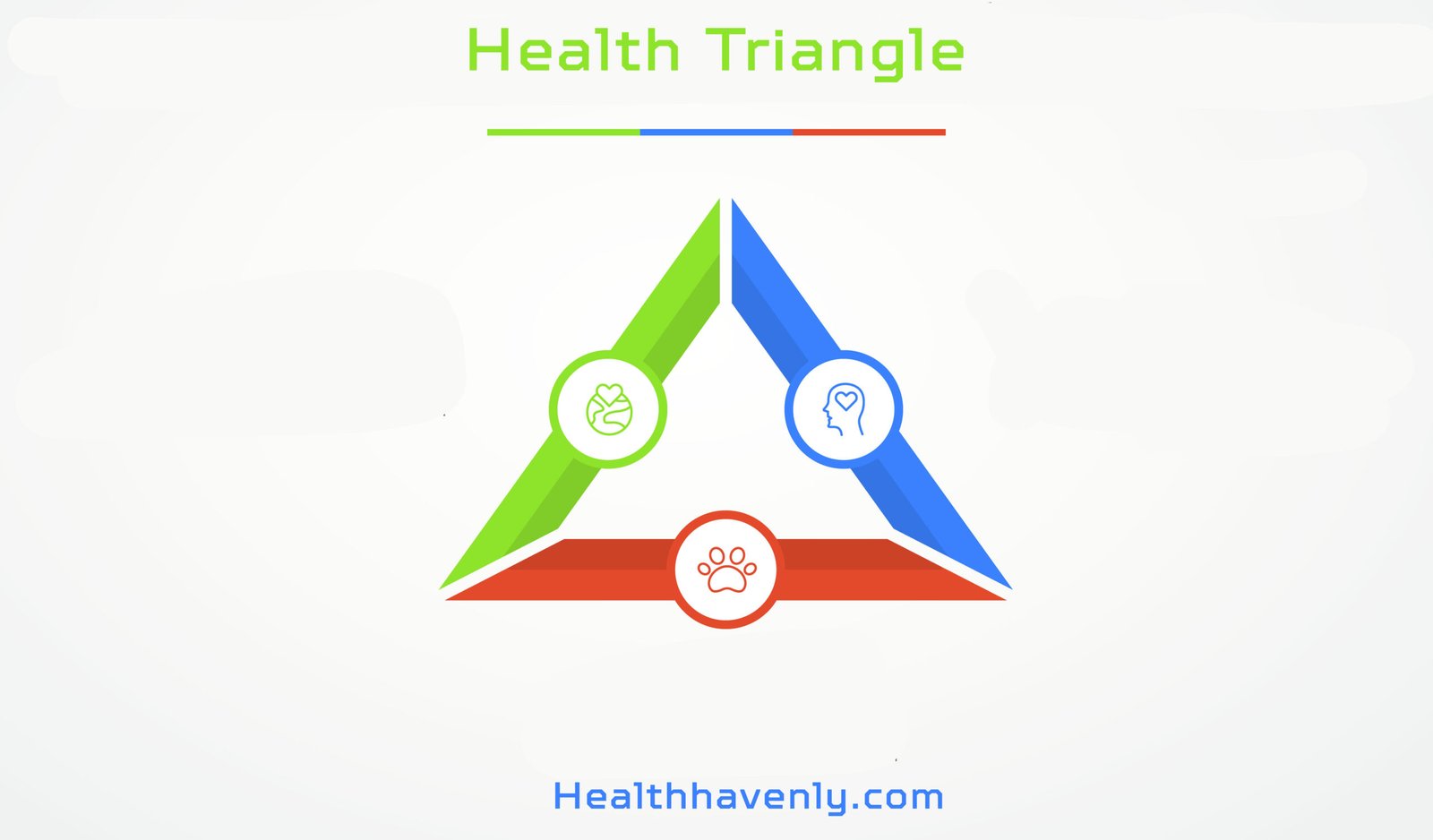
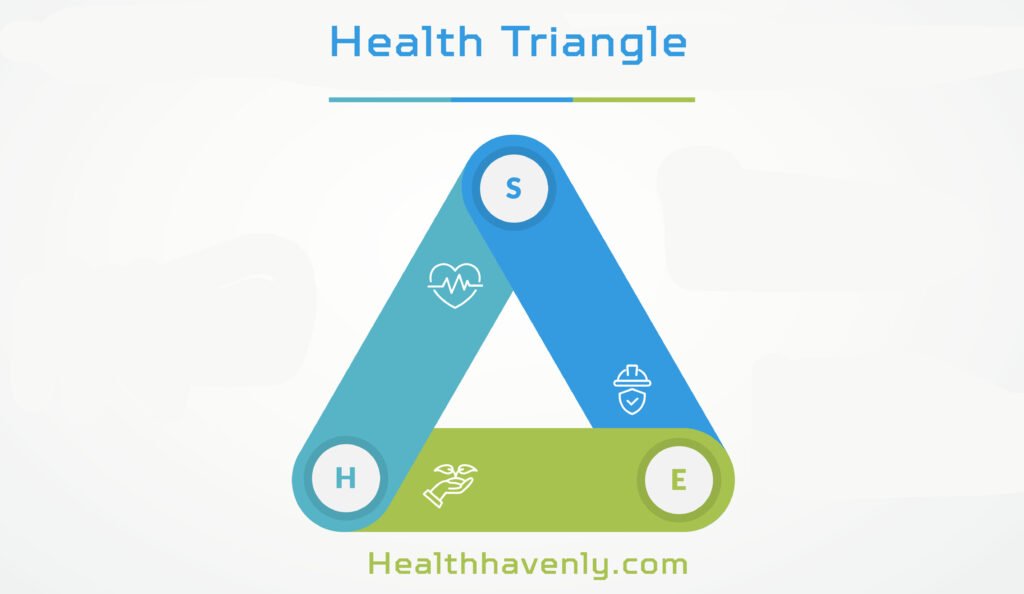
The health triangle is a visual tool that represents the interconnected aspects of well-being. Picture an equilateral triangle with each side dedicated to one dimension: physical, mental, and social health. The idea is that if one side is neglected, the whole structure weakens, much like a real triangle that can’t stand on two legs. This model originated from health education programs in the 1970s and has since become a cornerstone for promoting holistic health. Experts from organizations like the World Health Organization (WHO) echo this by defining health as complete physical, mental, and social well-being, not just the absence of disease.
In practice, the health triangle encourages a balanced approach rather than focusing on one area. For instance, you might excel in physical fitness but struggle with anxiety, or maintain strong social ties while ignoring nutrition. Recognizing these imbalances is the first step toward improvement. Studies show that people who prioritize all three sides report higher life satisfaction. According to a 2022 survey by the American Psychological Association, individuals with balanced wellness are 30% more likely to handle stress effectively.
The Three Sides of the Health Triangle
To fully grasp the health triangle, let’s break down each side. These aren’t isolated; they influence one another. Improving physical health can enhance mental clarity, while strong social connections can support emotional resilience.
Physical Health: Building a Strong Foundation
Physical health forms the base of the triangle, encompassing your body’s ability to function optimally. This includes regular exercise, nutritious eating, adequate sleep, and preventive care like check-ups. Neglecting this side can lead to fatigue, illness, and reduced energy for other areas.
Practical insights: Aim for at least 150 minutes of moderate aerobic activity per week, as recommended by the Centers for Disease Control and Prevention (CDC). Incorporate strength training twice a week to build muscle and bone density. Nutrition-wise, focus on a balanced diet rich in fruits, vegetables, lean proteins, and whole grains. For example, swapping sugary snacks for nuts and berries can stabilize blood sugar and improve focus.
Real-life example: Sarah, a 35-year-old teacher, felt constantly drained until she started a morning yoga routine and meal prepping healthy lunches. Within months, her energy levels soared, and she noticed fewer headaches—proving how physical habits ripple into mental sharpness.
Mental Health: Nurturing Your Mind
Mental health involves emotional well-being, stress management, and cognitive function. It includes practices like mindfulness, therapy, and hobbies that bring joy. When mental health suffers, it can affect decision-making and relationships.
Practical insights: Incorporate daily mindfulness exercises, such as 10-minute meditation apps, to reduce anxiety. Journaling thoughts or seeking professional help for persistent issues builds resilience. Experts suggest limiting screen time before bed to improve sleep quality, which directly impacts mood.
Real-life example: Mark, a software engineer, battled work-related stress until he adopted weekly therapy sessions and hiking as a stress reliever. His productivity increased, and he felt more present with his family, illustrating how mental health boosts overall life quality.
Social Health: Fostering Connections
Social health focuses on relationships, communication, and community involvement. It means cultivating meaningful bonds with family, friends, and colleagues. Isolation can weaken this side, leading to loneliness and decreased motivation.
Practical insights: Schedule regular social activities, like coffee meetups or group classes. Practice active listening and empathy in conversations to deepen connections. Volunteering or joining clubs can expand your network and provide a sense of purpose.
Real-life example: Elena, a retiree, felt isolated after moving to a new city. By joining a local book club and volunteering at a food bank, she built a supportive circle that enriched her days and even inspired her to pursue painting—a hobby that further enhanced her mental well-being.
Why Balance in the Health Triangle Matters
Balancing the health triangle isn’t just about feeling good; it’s essential for long-term health outcomes. When all sides are in harmony, you experience synergy—each area supports the others. For instance, physical activity releases endorphins that improve mental health, while social support can motivate healthier habits.
Data backs this up: A 2023 study from Harvard University found that people with balanced wellness live 5-10 years longer than those who neglect one or more areas. Imbalances can lead to issues like chronic diseases or mental disorders. In today’s fast-paced world, where screens dominate and work demands soar, maintaining this balance prevents burnout. Think of it as an investment in your future self.
How to Achieve Balance in the Health Triangle
Achieving balance requires intentional effort, but it’s doable with small, consistent steps. Start by assessing your current state—rate each side on a scale of 1-10. Then, create a personalized plan.
- Set Realistic Goals: Break down changes into weekly targets, like adding one healthy meal or a short walk.
- Track Progress: Use a journal or app to monitor improvements and adjust as needed.
- Incorporate Variety: Mix activities to keep things engaging, such as combining exercise with social outings.
- Seek Support: Involve friends or professionals for accountability.
Remember, balance is dynamic. Life events like job changes or illnesses may shift priorities, so flexibility is key. Experts recommend reviewing your triangle quarterly to stay on track.
Real-Life Examples of Health Triangle Success
Real stories highlight the health triangle’s impact. Take Alex, a college student who juggled studies and part-time work. By prioritizing sleep (physical), meditation (mental), and study groups (social), he reduced anxiety and improved grades. Or consider Lisa, a single parent who joined a fitness class (physical and social) and started therapy (mental), leading to better parenting and personal happiness.
These examples show that small tweaks can yield big results. According to a Gallup poll, people with strong social ties are 50% more likely to report high well-being.
Common Challenges and Solutions
Even with the best intentions, challenges arise. Common ones include time constraints, lack of motivation, or external stressors.
- Time Management: Solution: Integrate habits, like listening to podcasts during workouts for mental stimulation.
- Motivation Slumps: Solution: Start small and celebrate wins to build momentum.
- External Stressors: Solution: Build a support network to share burdens.
Overcoming these strengthens your triangle. If issues persist, consult a healthcare professional.
Conclusion
The health triangle offers a roadmap to a fuller, more balanced life. By equally nurturing physical, mental, and social health, you can unlock resilience, joy, and longevity. Start today by evaluating your triangle and making one small change. Share your progress in the comments below, or explore resources from trusted organizations like the WHO. Remember, true wellness is within reach—take that first step now.
FAQs
What is the health triangle?
The health triangle is a model representing physical, mental, and social health as interconnected sides that need balance for overall well-being.
Why is balancing the health triangle important?
Balancing it prevents imbalances that can lead to health issues, improves life satisfaction, and supports longevity, as supported by studies from organizations like Harvard and the APA.
How can I improve my physical health?
Focus on regular exercise, nutritious eating, and sleep. Aim for CDC-recommended activity levels and incorporate strength training for better results.
What are some mental health tips?
Practice mindfulness, journaling, or seek therapy. Limit screen time and engage in joyful hobbies to build emotional resilience.
How do I strengthen social health?
Build connections through meetups, volunteering, or active listening. Joining clubs or groups can expand your network and provide support.
Can the health triangle change over time?
Yes, it’s dynamic. Life events may shift priorities, so regularly assess and adjust your approach for ongoing balance.
What if I struggle with one side?
Start small, seek support, and consult professionals if needed. Integrating habits across sides can help, like combining exercise with social activities.
Are there tools to track the health triangle?
Use journals, apps, or self-assessments. Many wellness apps offer trackers for physical activity, mood, and social interactions.